Introduction: The Uninvited Guest in Your Aquatic Paradise
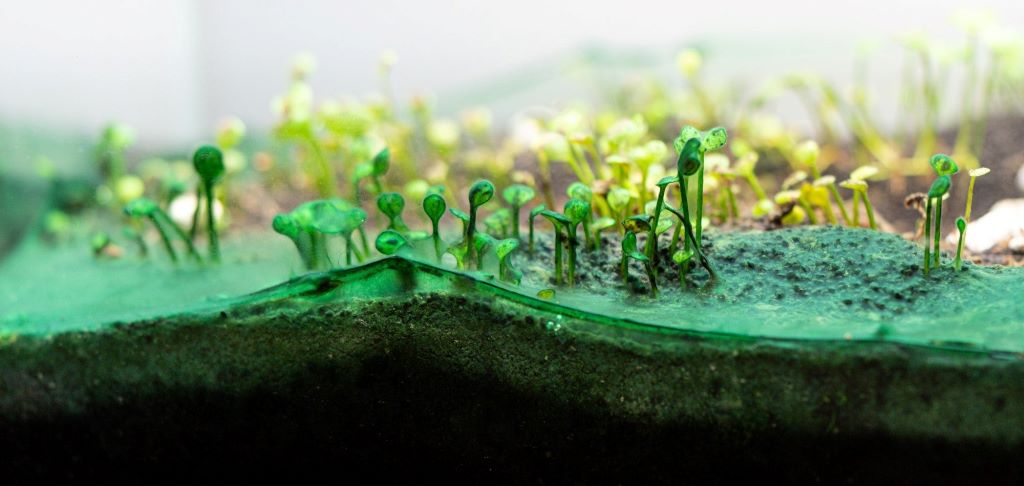
Picture this: you’ve meticulously crafted your aquarium, a vibrant underwater world teeming with life and color. But then, a creeping dread sets in as you notice an unwelcome guest – a slimy, blue-green film spreading across your substrate, clinging to your plants, and clouding the water. This, my friend, is cyanobacteria, also known as blue-green algae, and it’s a nightmare for any aquarist. Removing cyanobacteria from aquarium environments can feel like an uphill battle, but with the right strategies, it’s possible to reclaim your aquatic paradise.
Cyanobacteria, despite their common name, are not actually algae. They are photosynthetic bacteria, ancient organisms that have thrived on Earth for billions of years. While they play a vital role in the global ecosystem, their presence in your aquarium is far from beneficial. Not only are they unsightly, but they can also pose a serious threat to your fish and other aquatic inhabitants.
This comprehensive guide will delve deep into the world of cyanobacteria, exploring their causes, the havoc they wreak, and most importantly, how to evict them from your aquarium using natural methods. We’ll weigh the pros and cons of each approach, provide insightful reviews, and answer the most frequently asked questions about this persistent pest.
Understanding the Enemy: What is Cyanobacteria?
Cyanobacteria are prokaryotic organisms, meaning they lack a true nucleus and other membrane-bound organelles. They are capable of photosynthesis, using sunlight to convert carbon dioxide and water into energy. This process produces oxygen as a byproduct, which is why they are believed to have played a crucial role in the oxygenation of Earth’s early atmosphere.
In aquariums, cyanobacteria typically appear as a blue-green film or mat, although they can also be red, brown, or even black. They thrive in nutrient-rich environments with high levels of light and stagnant water. Overfeeding, infrequent water changes, and inadequate filtration are common culprits that contribute to their growth.
The Havoc Cyanobacteria Wreak: Why You Need to Act Fast
Cyanobacteria are not just an eyesore; they can disrupt the delicate balance of your aquarium ecosystem and endanger its inhabitants. Here’s how:
- Oxygen Depletion: While cyanobacteria produce oxygen during the day, they consume it at night. In severe cases, this can lead to oxygen depletion in the water, suffocating your fish and other aquatic life.
- Toxin Production: Some species of cyanobacteria produce toxins that can be harmful to fish, invertebrates, and even humans. These toxins can cause a range of symptoms, from skin irritation to liver damage.
- Nutrient Imbalance: Cyanobacteria consume large amounts of nitrates and phosphates, essential nutrients for plant growth. This can lead to nutrient deficiencies and stunted plant growth.
- Aesthetic Degradation: Let’s face it, a slimy blue-green film covering your beautiful aquascape is not a pleasant sight.
Natural Remedies: Evicting Cyanobacteria Without Harsh Chemicals
The good news is that you can often combat cyanobacteria without resorting to harsh chemicals that can harm your aquarium’s delicate ecosystem. Here are some natural methods that have proven effective:
-
Manual Removal:
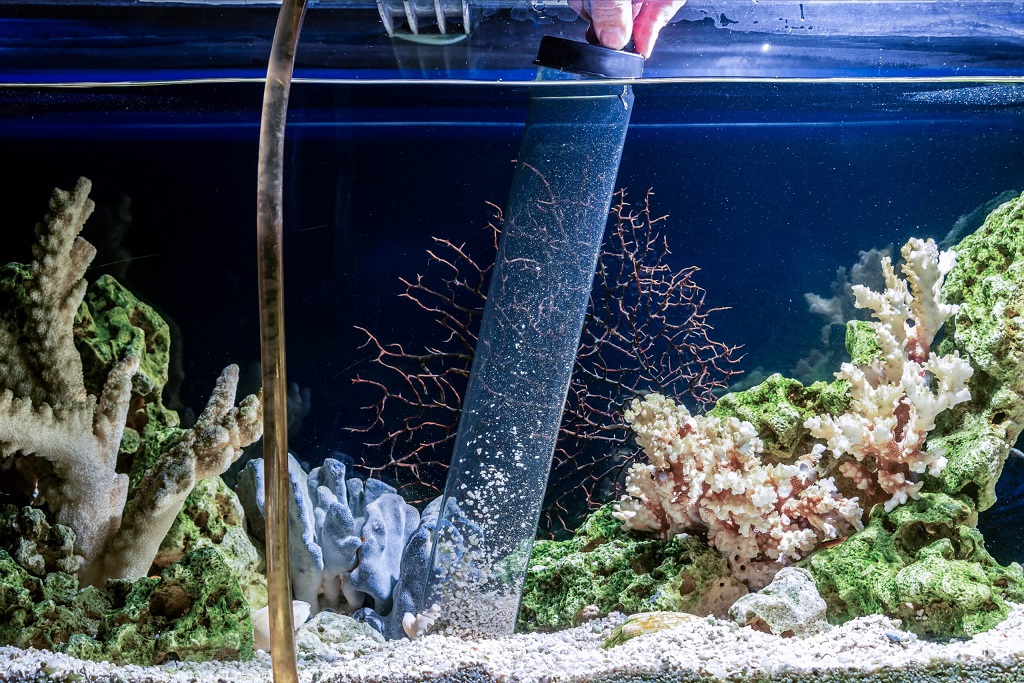
- Gravel Vacuuming: Regularly vacuuming your substrate during water changes helps remove cyanobacteria and the excess nutrients they feed on.
- Physical Removal: Use a siphon or algae scraper to remove cyanobacteria from decorations, plants, and the aquarium walls.
Pros:
- Immediate reduction of cyanobacteria
- Removes excess nutrients
- No risk of harming beneficial bacteria
Cons:
- Labor-intensive
- May not eliminate all cyanobacteria
- Can be difficult to reach certain areas
Review: Manual removal is a good first line of defense and an essential part of any cyanobacteria control strategy. However, it’s rarely a complete solution on its own.
-
Water Changes:
- Frequent Water Changes: Performing regular water changes (20-25% weekly) helps dilute excess nutrients and reduce cyanobacteria growth.
- Consistent Water Parameters: Maintain stable water parameters, including temperature, pH, and hardness, to create an environment less favorable to cyanobacteria.
Pros:
- Simple and effective
- Improves overall water quality
- Beneficial for all aquarium inhabitants
Cons:
- Requires consistency
- May not be enough for severe infestations
Review: Regular water changes are crucial for maintaining a healthy aquarium and preventing cyanobacteria outbreaks. However, they may not be enough to eradicate an existing infestation.
-
Reduce Lighting:
- Shorter Photoperiod: Reduce the duration of your aquarium lighting to 6-8 hours per day.
- Blackout Period: Implement a 3-4 day blackout period, covering the aquarium completely to deprive cyanobacteria of light.
Pros:
- Directly targets cyanobacteria’s energy source
- Can be very effective in combination with other methods
Cons:
- May negatively affect some plants
- Requires careful monitoring of fish behavior
Review: Reducing lighting can be a powerful tool against cyanobacteria, but it’s important to monitor your plants and fish closely during the process.
-
Introduce Beneficial Bacteria:
- Live Bacteria Supplements: Add live bacteria supplements to your aquarium to boost the population of beneficial bacteria that compete with cyanobacteria for nutrients.
- Established Filter Media: If you have another healthy aquarium, you can seed your affected tank with filter media from the established tank to introduce beneficial bacteria.
Pros:
- Promotes a healthy biological balance
- Long-term solution for preventing future outbreaks
Cons:
- May take time to see results
- Not a quick fix for existing infestations
Review: Introducing beneficial bacteria is a great way to create a more resilient aquarium ecosystem, but it’s not a quick solution for an active cyanobacteria problem.
-
Natural Algae Eaters:
- Snails: Certain snail species, such as Nerite snails and Mystery snails, are known to graze on cyanobacteria.
- Shrimp: Amano shrimp and Cherry shrimp can also help control cyanobacteria growth.
Pros:
- Natural and aesthetically pleasing solution
- Can help maintain a clean aquarium
Cons:
- May not consume enough cyanobacteria to eradicate a severe infestation
- Some species may nibble on plants
Review: Introducing algae eaters can be a helpful addition to your cyanobacteria control strategy, but it’s important to choose the right species and not rely on them as the sole solution.
-
Barley Straw Extract:
- Natural Inhibitor: Barley straw extract releases substances that inhibit the growth of cyanobacteria.
- Available in Liquid or Pad Form: You can find barley straw extract in liquid form or as pads that you place in your filter.
Pros:
- Natural and safe for most aquarium inhabitants
- Can be effective in preventing and controlling cyanobacteria
Cons:
- May take several weeks to see results
- Not as effective against severe infestations
Review: Barley straw extract is a gentle and natural way to control cyanobacteria, but it’s best used as a preventative measure or in conjunction with other methods.
-
Hydrogen Peroxide:
- Spot Treatment: Use a 3% hydrogen peroxide solution to spot-treat affected areas.
- Careful Application: Turn off your filter and carefully apply the solution using a syringe or pipette.
Pros:
- Can quickly kill cyanobacteria in targeted areas
- Relatively inexpensive
Cons:
- Can harm beneficial bacteria and plants if overused
- Requires careful application to avoid harming fish
Review: Hydrogen peroxide can be an effective spot treatment for cyanobacteria, but it’s crucial to use it sparingly and with caution.
The Pros and Cons of Natural Cyanobacteria Removal
Pros:
- Environmentally Friendly: Natural methods avoid the use of harsh chemicals that can harm your aquarium’s ecosystem.
- Safe for Aquatic Life: Most natural methods are safe for fish, invertebrates, and plants when used correctly.
- Sustainable: Many natural methods promote a healthy and balanced aquarium ecosystem, reducing the likelihood of future outbreaks.
Cons:
- Time-Consuming: Some natural methods, such as manual removal and frequent water changes, can be time-consuming.
- Not Always a Quick Fix: Natural methods may take time to show results, especially in severe cases.
- Requires Patience and Consistency: Successfully combating cyanobacteria naturally requires patience, consistency, and a holistic approach.
Reviews of Natural Cyanobacteria Removal Methods
- “Manual removal and frequent water changes have been my go-to methods for years. They’re effective and safe for my fish and shrimp.” – Experienced Aquarist
- “I had great success with a blackout period combined with barley straw extract. My cyanobacteria problem cleared up within a week.” – Planted Tank Enthusiast
- “Hydrogen peroxide spot treatment worked wonders for me, but I had to be very careful not to overdo it.” – Community Tank Owner
Popular FAQs about Cyanobacteria in Aquariums
-
What causes cyanobacteria in aquariums?
Cyanobacteria thrive in environments with excess nutrients, high levels of light, and poor water circulation. Overfeeding, infrequent water changes, and inadequate filtration are common contributing factors.
-
Is cyanobacteria harmful to fish?
Some species of cyanobacteria produce toxins that can be harmful to fish, causing a range of symptoms from skin irritation to organ damage. Even non-toxic species can deplete oxygen levels in the water, suffocating fish.
-
Can I use tap water to treat cyanobacteria?
Tap water often contains chlorine and chloramine, which can harm beneficial bacteria and even fish. It’s best to use dechlorinated water for water changes.
-
How long does it take to get rid of cyanobacteria naturally?
The time it takes to eliminate cyanobacteria naturally varies depending on the severity of the infestation and the methods used. It can take anywhere from a few days to several weeks.
-
How can I prevent cyanobacteria from coming back?
Maintaining a clean and balanced aquarium ecosystem is key to preventing cyanobacteria outbreaks. This includes regular water changes, proper filtration, avoiding overfeeding, and ensuring adequate water circulation.
Conclusion: Winning the Battle Against Cyanobacteria
Cyanobacteria can be a frustrating foe, but with a combination of patience, persistence, and the right natural methods, you can reclaim your aquatic paradise. Remember that prevention is always better than cure. By maintaining a healthy and balanced aquarium ecosystem, you can minimize the risk of cyanobacteria taking hold in the first place.
This guide has provided you with the knowledge and tools to combat cyanobacteria naturally. Now, it’s time to put that knowledge into action and restore the beauty and balance of your underwater world. Happy aquascaping!
Read More:
Best Reef Tank LEDs: Your Guide for Softies, LPS & SPS Corals
Aquarium Lighting: Mimicking Nature’s Rhythm for a Thriving Underwater World