
Are you battling endless waves of green, slimy algae in your beautiful aquarium? Have you noticed your vibrant corals looking a little dull and unhappy? You might be missing a crucial piece of the puzzle. It is an invisible enemy that can wreak havoc on your aquatic ecosystem. This silent threat is phosphate, and it could be the root cause of your aquarium troubles.
Many aquarium hobbyists focus on ammonia, nitrite, and nitrate levels, but they often overlook phosphate. This is a big mistake. A recent study published in the Journal of Applied Aquaculture found that elevated phosphate levels are a primary contributor to persistent algae blooms and can inhibit coral growth. Think about it: you spend countless hours and a lot of money creating a stunning underwater world. You don’t want to see it overrun by ugly algae. According to the American Pet Products Association, aquarium owners in the United States spend over a billion dollars annually on supplies. A significant portion of that goes towards fighting problems that could be easily prevented with regular water testing.
This guide will dive deep into the world of aquarium phosphates. We will explore what they are, where they come from, and why they are so dangerous. More importantly, we’ll introduce you to a simple, effective solution: the API Phosphate Test Kit. You will learn how to use this essential tool to monitor and control phosphate levels, ensuring a healthy, thriving environment for your fish and corals. Let’s get started.
What is Phosphate, and Why Should You Care?
Phosphate is a compound of phosphorus, an essential element for all living things. In your aquarium, it acts as a fertilizer. A little bit is necessary for the growth of beneficial bacteria and plants. However, when phosphate levels get too high, they fuel the explosive growth of algae. This is where the problems begin.
Imagine your aquarium as a garden. You want your beautiful flowers (your fish and corals) to thrive. But if you over-fertilize the soil, you will get a garden full of weeds. In your aquarium, those weeds are algae. Green hair algae, brown diatom algae, and even nasty cyanobacteria (blue-green algae) all love to feed on excess phosphate. This not only makes your tank look bad, but it can also harm your aquatic pets.
High phosphate levels can also directly impact the health of your corals. In a saltwater reef tank, phosphates can slow down or even stop coral calcification. This is the process corals use to build their skeletons. Without it, they cannot grow and may eventually die. For fish, high phosphate levels can cause stress, making them more susceptible to disease. It’s a silent killer that slowly degrades the health of your entire aquarium.
Where Does All This Phosphate Come From?
You might be wondering how phosphate gets into your aquarium in the first place. The answer is, from a variety of sources. Understanding these sources is the first step in controlling phosphate levels.
Here are the most common culprits:
- Fish Waste and Uneaten Food: This is the number one source of phosphate in most aquariums. When fish eat, they produce waste. Both the waste and any uneaten food break down, releasing phosphates into the water. Overfeeding your fish is a sure-fire way to spike your phosphate levels.
- Tap Water: Many municipal water supplies contain phosphates. Water companies add it to prevent the corrosion of pipes. If you are using untreated tap water for your water changes, you could be unknowingly adding phosphates to your tank.
- Aquarium Salt Mixes: Some lower-quality salt mixes for saltwater aquariums can contain impurities, including phosphates. It’s always a good idea to research your salt mix and choose a reputable brand.
- Frozen Fish Foods: Frozen foods are a great source of nutrition for your fish, but they can also be a significant source of phosphates. The liquids that these foods are packed in are often loaded with phosphates. Rinsing your frozen food before feeding can help reduce the amount of phosphate you add to your tank.
- Aquarium Additives: Some pH buffers and other chemical additives can contain phosphates. Always read the labels of any products you add to your aquarium to ensure they are phosphate-free.
- Decaying Organic Matter: Dead plants, dead fish, or even dead snails can decompose and release phosphates into the water. It is important to remove any dead organic matter from your aquarium as soon as you see it.
As you can see, phosphate can come from many places. This is why regular testing is so important. You can’t see phosphate, so you need a reliable way to measure it. This is where the API Phosphate Test Kit comes in.
The Dangers of High Phosphate Levels: A Vicious Cycle
High phosphate levels create a vicious cycle that can be difficult to break. It starts with a small amount of excess phosphate, which fuels a little bit of algae growth. As that algae dies and decomposes, it releases even more phosphates back into the water. This, in turn, fuels more algae growth. Before you know it, you have a full-blown algae bloom that is nearly impossible to control.
But the problems don’t stop with algae. As we mentioned earlier, high phosphate levels can be a serious threat to your corals. In a scientific study, researchers at the University of Queensland found that even a small increase in phosphate concentration can reduce coral growth by up to 50%. This is because phosphate ions compete with carbonate ions, which are the building blocks of coral skeletons. The more phosphate there is in the water, the harder it is for corals to build their homes.
For your fish, the dangers are more indirect but just as serious. Algae blooms can cause wild swings in oxygen levels. During the day, algae produce oxygen through photosynthesis. But at night, they consume oxygen. A large algae bloom can use up so much oxygen at night that it suffocates your fish. Additionally, the stress of living in a dirty, algae-filled environment can weaken your fish’s immune systems, making them more vulnerable to diseases like ich and fin rot. It’s a recipe for disaster.
Your Secret Weapon: The API Phosphate Test Kit

Now for the good news. You can easily monitor and control the phosphate levels in your aquarium with the API Phosphate Test Kit. This simple, affordable kit is a must-have for any serious aquarium hobbyist. It works for both freshwater and saltwater aquariums, and it provides accurate, reliable results.
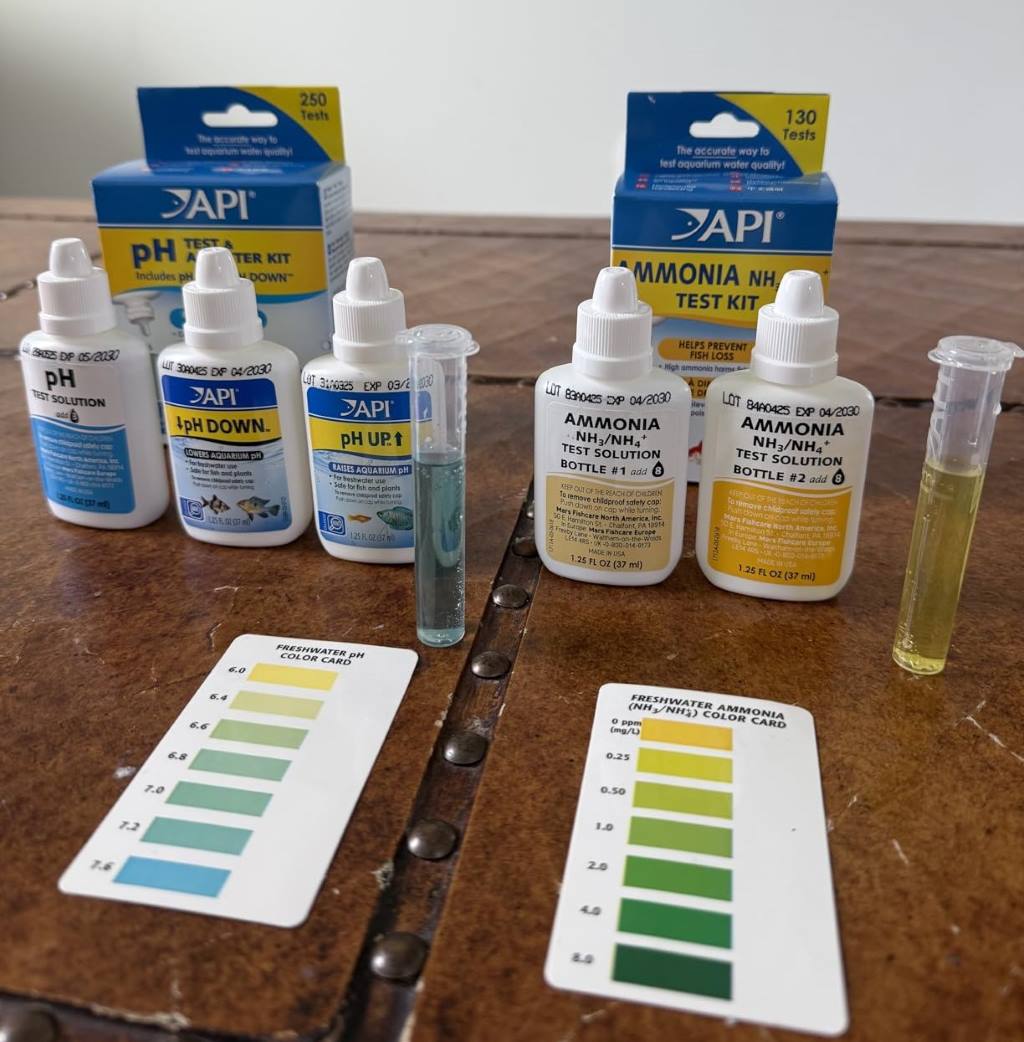
The API Phosphate Test Kit comes with everything you need to test your water, including two liquid dropper bottles with child-resistant safety caps, two color charts, and a glass test tube with a snap-tight cap. The kit can perform up to 150 tests, making it an excellent value for your money. The instructions are clear and easy to follow, even for beginners.
With the API Phosphate Test Kit, you can take the guesswork out of aquarium maintenance. You’ll no longer have to wonder why you have so much algae or why your corals aren’t growing. You’ll have the data you need to make informed decisions and take proactive steps to keep your aquarium healthy and beautiful. Think of it as a smoke detector for your aquarium. It alerts you to a problem before it becomes a full-blown emergency.
How to Use the API Phosphate Test Kit: A Step-by-Step Guide
Using the API Phosphate Test Kit is quick and easy. Here’s a simple, step-by-step guide to help you get started:
- Rinse the Test Tube: Before you begin, rinse the glass test tube with aquarium water to ensure there are no contaminants that could affect the results.
- Fill the Test Tube: Fill the test tube with 10 ml of aquarium water. The test tube is marked with a line to help you measure the correct amount.
- Add the Reagent: Add 6 drops of Phosphate Test Solution #1 to the test tube. Cap the test tube and invert it several times to mix the solution.
- Add the Second Reagent: Add 6 drops of Phosphate Test Solution #2 to the test tube. Cap the test tube and invert it several times to mix the solution.
- Wait for the Results: Wait for 3-5 minutes for the color to develop.
- Read the Results: Compare the color of the solution in the test tube to the color chart provided with the kit. The chart will tell you the phosphate level in your aquarium in parts per million (ppm).
That’s it! In just a few minutes, you’ll have an accurate reading of the phosphate level in your aquarium. It’s a small investment of time that can pay big dividends in the health and beauty of your underwater world.
Interpreting Your Results: What Do the Numbers Mean?
Once you have your phosphate reading, you need to know what it means. Here’s a general guide to interpreting your results:
- Ideal Phosphate Levels: For a freshwater aquarium with fish only, the ideal phosphate level is below 1.0 ppm. For a freshwater planted aquarium, you’ll want to keep it below 0.5 ppm to prevent algae from outcompeting your plants. For a saltwater reef aquarium, the ideal phosphate level is much lower, below 0.03 ppm. Corals are very sensitive to phosphates, so it’s crucial to keep the levels as low as possible.
- High Phosphate Levels: If your phosphate level is above the ideal range for your type of aquarium, you need to take action to reduce it. A reading of 2.0 ppm or higher in a freshwater tank is a cause for concern. In a reef tank, anything above 0.1 ppm is considered high and can start to cause problems for your corals.
- What if the Color is Off the Chart? If the color of your test solution is darker than the highest reading on the color chart, you have a very high phosphate level. In this case, you can dilute your aquarium water with an equal amount of distilled water and repeat the test. Then, multiply your result by two to get the actual phosphate level.
Remember, these are just general guidelines. The ideal phosphate level for your aquarium will depend on the specific types of fish, plants, and corals you have. It’s always a good idea to research the specific needs of your aquatic pets.
How to Lower Phosphate Levels
If your phosphate test reveals a high level, don’t panic. There are several effective ways to lower the phosphate in your aquarium. Here is a comprehensive action plan:
1. Water Changes, Water Changes, Water Changes
This is the most fundamental and effective way to reduce phosphates. Regular water changes dilute the concentration of phosphates and other toxins in your aquarium. Aim for a 25% water change every week. If your phosphate levels are very high, you may need to do more frequent or larger water changes until the levels come down.
Pro Tip: Use a reverse osmosis deionization (RO/DI) water filter to purify your tap water before adding it to your aquarium. This will remove any phosphates and other impurities from your source water.
2. Control Your Feeding
As we discussed, overfeeding is a major source of phosphates. Feed your fish only what they can consume in a few minutes. If you see uneaten food on the bottom of the tank, you are feeding too much. Consider feeding smaller amounts more frequently.
Another Tip: Rinse your frozen foods in RO/DI water before feeding. This will wash away the phosphate-laden liquids they are packed in.
3. Use Phosphate-Removing Media
There are many products on the market that are specifically designed to remove phosphates from aquarium water. These products, such as Granular Ferric Oxide (GFO), come in a media bag that you can place in your filter or sump. As water flows through the bag, the media absorbs the phosphates.
Important Note: Follow the manufacturer’s instructions carefully when using phosphate-removing media. Some products can strip all the phosphates from the water very quickly, which can be stressful for your fish and corals.
4. Maintain Your Aquarium
Good aquarium husbandry is key to keeping phosphate levels in check. Here are a few things to keep in mind:
- Clean your substrate regularly: Use a gravel vacuum to remove fish waste and uneaten food from your substrate.
- Clean your filter regularly: A dirty filter can become a source of phosphates. Clean your filter media in old aquarium water (not tap water) to preserve the beneficial bacteria.
- Prune your plants: In a planted aquarium, regularly prune any dead or decaying leaves.
- Remove any dead critters: If a fish or snail dies, remove it from the tank as soon as possible.
By following these steps, you can effectively lower the phosphate levels in your aquarium and create a healthier environment for your aquatic pets.
Comparing the API Phosphate Test Kit to Other Methods
The API Phosphate Test Kit is a titration test, which is a type of chemical test that uses a color change to indicate the concentration of a substance. There are other types of phosphate tests available, such as digital testers and test strips. Let’s take a look at how they compare.
- Digital Testers: Digital testers, also known as colorimeters, are the most accurate way to test for phosphate. They work by passing a beam of light through a water sample and measuring how much light is absorbed. The more phosphate there is in the water, the more light will be absorbed. Digital testers are very accurate, but they are also much more expensive than titration tests. They are a good option for serious reef hobbyists who need to maintain very precise water parameters.
- Test Strips: Test strips are the easiest type of test to use. You simply dip a strip in the water, wait a few seconds, and compare the color of the strip to a chart. However, test strips are also the least accurate type of test. They are good for getting a general idea of your phosphate level, but they are not accurate enough for making important decisions about your aquarium.
- Titration Tests: Titration tests, like the API Phosphate Test Kit, offer a good balance of accuracy and affordability. They are more accurate than test strips and much less expensive than digital testers. For most aquarium hobbyists, a good quality titration test is all you need to effectively monitor your phosphate levels.
The bottom line is that the API Phosphate Test Kit is an excellent choice for the vast majority of aquarium owners. It’s accurate, affordable, and easy to use. It’s a tool that will help you keep your aquarium healthy and beautiful for years to come.
Real-World Success Stories
Don’t just take our word for it. Here are a few stories from real aquarium hobbyists who have used the API Phosphate Test Kit to solve their aquarium problems:
Case Study #1: The Green Monster Tank
John, a freshwater aquarium enthusiast, was at his wit’s end. His 75-gallon tank was overrun with green hair algae. “It was a nightmare,” he says. “I was cleaning the glass every other day, and the algae would just grow right back.” John tried everything, from reducing his lighting to using algaecides, but nothing worked. Finally, he decided to test his water for phosphates. He was shocked to find that his phosphate level was over 5.0 ppm.
John immediately started a series of large water changes and began using a phosphate-removing media in his filter. He also cut back on his feeding and started rinsing his frozen foods. “Within a few weeks, I started to see a difference,” he says. “The algae growth slowed down, and my plants started to look healthier.” Today, John’s tank is crystal clear, and his fish are thriving. He credits the API Phosphate Test Kit with helping him finally win the war against algae.
Case Study #2: The Struggling Reef Tank
Sarah had a beautiful 120-gallon reef tank, but her corals were not doing well. They had lost their vibrant colors, and some had even started to recede. Sarah tested for all the usual suspects—ammonia, nitrite, nitrate, calcium, and alkalinity—but everything was in the ideal range. She was about to give up when a friend suggested she test for phosphates.
Sarah was skeptical. She was using RO/DI water and a high-quality salt mix, so she didn’t think phosphates could be the problem. But she decided to give it a try. To her surprise, her phosphate level was 0.25 ppm. While this might not sound like a lot, it’s very high for a reef tank. Sarah started using GFO and was more diligent about her aquarium maintenance. “The difference was amazing,” she says. “Within a month, my corals started to color up, and they began to grow again.” Sarah now tests for phosphates every week and is a firm believer in the importance of keeping phosphate levels low in a reef tank.
These stories are a testament to the power of knowledge. When you know what’s going on in your aquarium, you can take the necessary steps to fix it. The API Phosphate Test Kit gives you the knowledge you need to be a successful aquarium hobbyist.
Take Control of Your Aquarium’s Health
Your aquarium is a delicate ecosystem, and it’s up to you to maintain the balance. Phosphate is a silent threat that can disrupt that balance, leading to algae blooms, stressed fish, and unhealthy corals. But with the API Phosphate Test Kit, you have the power to fight back.
By regularly testing for phosphates and taking the necessary steps to keep them in check, you can create a healthy, thriving environment for your aquatic pets. No more endless battles with algae. No more watching your beautiful corals fade away. Just a crystal clear, beautiful aquarium that you can be proud of.
So, what are you waiting for? Take the first step towards a healthier aquarium today. Get your API Phosphate Test Kit and take control of your aquarium’s health. Your fish and corals will thank you for it.
Ready to say goodbye to algae and hello to a beautiful, healthy aquarium? Click here to get your API Phosphate Test Kit now!
Frequently Asked Questions (FAQs)
How often should I test for phosphates?
For a new aquarium, it’s a good idea to test for phosphates every week. Once your aquarium is established and your phosphate levels are stable, you can reduce your testing to once every two weeks or once a month. However, if you start to see an increase in algae growth, you should test for phosphates right away.
Can I have a healthy aquarium with high phosphates?
It’s possible, but it’s not ideal. In a freshwater aquarium with no live plants, you might be able to get away with a higher phosphate level. However, you will likely have to deal with a lot of algae. In a planted aquarium or a reef aquarium, high phosphates will almost certainly cause problems. It’s always best to keep your phosphate levels as low as possible.
Are there any natural ways to reduce phosphates?
Yes, there are. Live plants in a freshwater aquarium will consume phosphates as they grow. In a saltwater aquarium, you can use a refugium with macroalgae, such as chaetomorpha, to absorb phosphates. These natural methods are a great way to keep your phosphate levels in check, but they may not be enough if you have a high bioload or other sources of phosphate.
Is the API Phosphate Test Kit accurate?
Yes, the API Phosphate Test Kit is very accurate for the price. While it’s not as accurate as a digital tester, it’s more than accurate enough for the vast majority of aquarium hobbyists. It’s a reliable tool that will give you the information you need to maintain a healthy aquarium.
What is the shelf life of the API Phosphate Test Kit?
The API Phosphate Test Kit has a shelf life of several years. You can find the expiration date on the bottom of the box. It’s important to use the kit before it expires, as the reagents can lose their effectiveness over time.


