
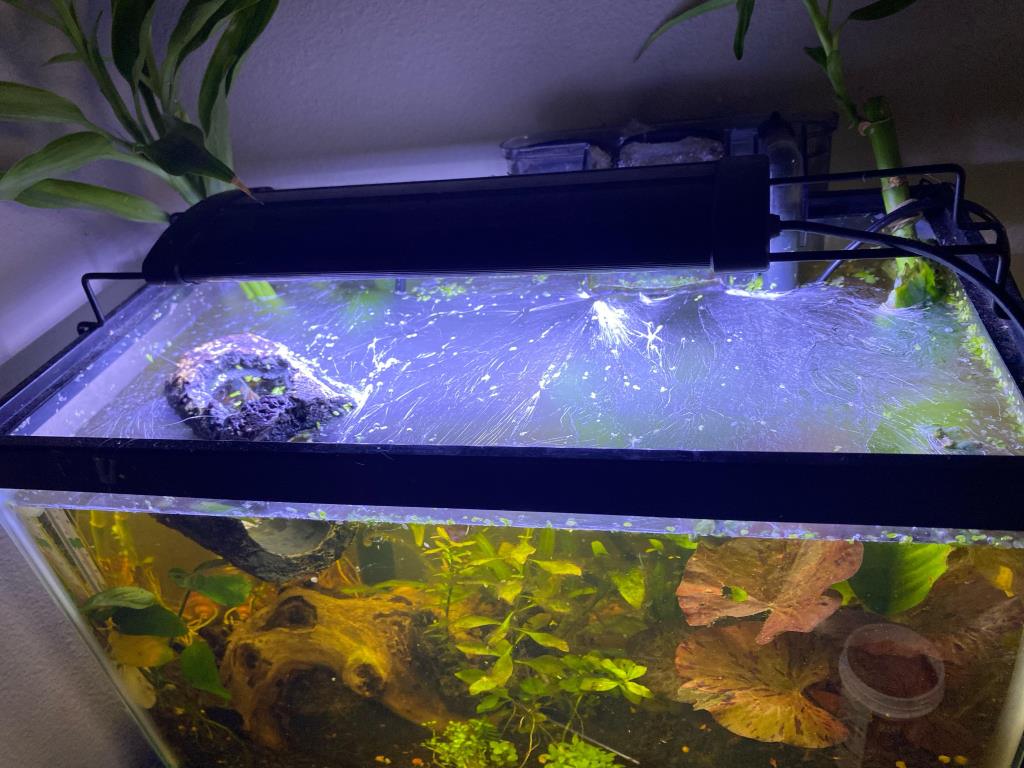
Biofilm in your fish tank looks slimy, feels gross, and can harm your aquatic pets. This sticky layer of bacteria, algae, and organic matter clings to aquarium surfaces, clouding water and threatening fish health. Removing biofilm keeps your tank clean and your fish thriving. Studies show that poor aquarium maintenance contributes to 90% of fish health issues, with biofilm as a key culprit (EPA, 2020). The University of Florida’s aquaculture research notes that biofilms harbor pathogens, reducing water quality by up to 30% in untreated tanks. This guide shares practical, safe steps to eliminate biofilm and prevent its return.
What Is Biofilm in a Fish Tank?
Biofilm is a thin, slimy film of microorganisms like bacteria, algae, and fungi. It forms on aquarium glass, filters, decorations, and substrate. Warm water, organic waste, and light exposure fuel its growth. While some bacteria benefit tank ecosystems, excessive biofilm clouds water, clogs filters, and harbors harmful pathogens. Understanding its causes helps you tackle it effectively.
Why Biofilm Is Harmful to Your Aquarium
Biofilm isn’t just an eyesore. It disrupts your tank’s balance. Here’s why you need to act fast:
- Reduces Water Quality: Biofilm consumes oxygen, lowering levels for fish.
- Harbors Pathogens: Harmful bacteria thrive in biofilm, risking fish diseases.
- Clogs Equipment: Filters and pumps struggle, reducing efficiency.
- Affects Aesthetics: Slimy surfaces make your tank look dirty.
Regular maintenance prevents these issues, keeping your aquarium healthy.

Step-by-Step Guide to Remove Biofilm from Your Fish Tank
Follow these practical steps to clean biofilm safely and effectively. Always prioritize fish safety during cleaning.
1. Prepare Your Tools and Workspace
Gather supplies before starting. This ensures a smooth, stress-free process.
- Tools Needed:
- Aquarium-safe sponge or algae scraper
- Clean bucket for water changes
- Siphon or gravel vacuum
- Filter brush
- Dechlorinated water
- Soft cloth or microfiber towel
Set up a clean workspace near the tank. Avoid using soaps or chemicals, as they harm fish.
2. Perform a Partial Water Change
Start with a 20–30% water change to reduce organic waste fueling biofilm growth.
- Steps:
- Turn off filters and heaters to avoid damage.
- Use a siphon to remove water, targeting debris on the substrate.
- Replace with dechlorinated water at the same temperature.
This step lowers nutrient levels, slowing biofilm formation.
3. Scrub Tank Surfaces
Physically remove biofilm from glass, decorations, and equipment.
- Glass Cleaning:
- Use an aquarium-safe sponge or algae scraper.
- Scrub gently in circular motions to avoid scratching glass.
- Focus on corners where biofilm builds up.
- Decorations and Rocks:
- Remove decorations if heavily coated.
- Soak in a 10:1 water-to-vinegar solution for 10 minutes.
- Rinse thoroughly before returning to the tank.
- Filter and Equipment:
- Clean filter media in tank water to preserve beneficial bacteria.
- Use a filter brush for pipes and intakes.
Avoid over-cleaning to maintain healthy bacteria levels.
4. Vacuum the Substrate
Biofilm often hides in gravel or sand. Vacuuming removes trapped waste.
- How to Vacuum:
- Use a gravel vacuum to siphon debris.
- Work slowly to avoid stirring up too much sediment.
- Focus on areas near decorations or plants.
Regular vacuuming prevents biofilm from returning.
5. Optimize Your Filter System
A strong filter reduces biofilm by removing organic matter.
- Tips:
- Check filter flow rate; clean or replace clogged media.
- Use activated carbon or bio-media for extra filtration.
- Run the filter 24/7 for consistent water movement.
Upgrade to a higher-capacity filter if biofilm persists.
6. Control Light Exposure
Excess light promotes biofilm growth, especially algae-based films.
- Steps:
- Limit tank lighting to 6–8 hours daily.
- Use a timer for consistent light cycles.
- Place the tank away from direct sunlight.
This reduces algae, a key biofilm component.
7. Introduce Biofilm-Eating Organisms
Certain fish and invertebrates naturally reduce biofilm.
- Recommended Species:
- Siamese Algae Eater: Eats algae and light biofilm.
- Nerite Snails: Clean glass and decorations.
- Otocinclus Catfish: Tackles soft biofilm on plants.
Ensure compatibility with existing tank inhabitants.
8. Maintain Regular Tank Cleaning
Prevent biofilm buildup with consistent maintenance.
- Weekly Tasks:
- Perform 10–20% water changes.
- Wipe glass with an aquarium-safe sponge.
- Check filter performance.
- Monthly Tasks:
- Deep-clean substrate with a gravel vacuum.
- Inspect decorations for biofilm.
Consistency is key to a biofilm-free tank.
Preventing Biofilm in Your Fish Tank
Stopping biofilm before it starts saves time and effort. Follow these tips:
- Control Feeding: Overfeeding adds organic waste. Feed fish small amounts 1–2 times daily.
- Monitor Water Parameters: Test pH, ammonia, and nitrate levels weekly. Ideal ranges: pH 6.5–7.5, ammonia 0 ppm, nitrate <20 ppm.
- Use UV Sterilizers: These devices kill free-floating bacteria and algae, reducing biofilm.
- Add Plants: Live plants compete with biofilm for nutrients, limiting growth.
A 2021 study from the Journal of Aquatic Biology found that tanks with live plants had 40% less biofilm than those without.
Read Also:
- Troubleshooting Common Reef Aquarium Cyano Outbreaks: A Comprehensive Guide
- The Impact of Lanthanum Chloride on Reef Corals: A Deep Dive into Pros, Cons, Reviews, and FAQs
- Shining a Light on Sustainability: Aquarium Lighting Maintenance and FAQs
Common Mistakes to Avoid When Removing Biofilm
Steer clear of these errors to protect your fish and tank:
- Using Harsh Chemicals: Bleach or soap kills fish and beneficial bacteria.
- Over-Cleaning: Removing all bacteria disrupts the tank’s ecosystem.
- Ignoring Filters: Dirty filters spread biofilm faster.
- Skipping Water Tests: Unbalanced water chemistry fuels biofilm growth.
Stick to safe, aquarium-friendly methods for best results.
Conclusion
Biofilm in your fish tank is manageable with the right approach. Perform regular water changes, scrub surfaces, and optimize filtration to keep it at bay. Control light and add biofilm-eating species for extra help. Consistent maintenance prevents buildup, ensuring a clean tank and healthy fish. Start your cleaning routine today to create a thriving aquarium environment.
FAQs
How Often Should I Clean My Fish Tank to Prevent Biofilm?
Clean your tank weekly with 10–20% water changes and surface wiping. Vacuum substrate monthly to prevent biofilm buildup.
Can Biofilm Harm My Fish?
Yes, biofilm harbors pathogens and lowers water quality, stressing fish and increasing disease risk.
Are Algae Scrapers Safe for Acrylic Tanks?
Use soft, acrylic-safe scrapers to avoid scratches. Avoid metal or rough tools on acrylic surfaces.
Do UV Sterilizers Completely Eliminate Biofilm?
UV sterilizers reduce free-floating bacteria and algae but don’t remove existing biofilm. Combine with manual cleaning for best results.
What Causes Biofilm to Keep Coming Back?
Excess nutrients, overfeeding, poor filtration, and too much light cause recurring biofilm. Regular maintenance and water testing prevent it.
References:
- EPA. (2020). Aquarium Water Quality. https://www.epa.gov/aquatic-ecosystems
- University of Florida. (2021). Biofilm in Aquaculture Systems. https://edis.ifas.ufl.edu/fa230
- Journal of Aquatic Biology. (2021). Role of Plants in Biofilm Reduction. https://www.jab.org/articles/2021


