
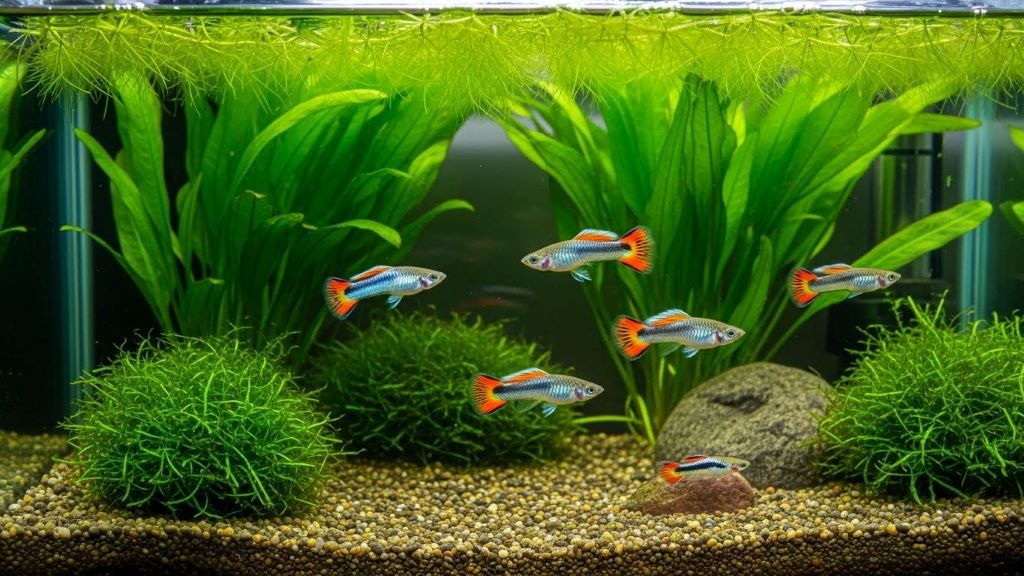
Setting up a small aquarium can be incredibly rewarding. However, choosing the right fish is crucial for long-term success. Slow growing colorful fish are ideal for compact tanks because they maintain manageable sizes while adding vibrant beauty to your aquatic display. This guide will help you select the perfect species for your small aquarium setup.
Why Choose Slow Growing Fish for Small Tanks
Space limitations make slow growing fish the smart choice for small aquariums. These species won’t quickly outgrow their environment, which prevents overcrowding and stress. Additionally, they require less frequent tank upgrades, saving you money and effort over time.
Slow growing fish typically have lower metabolic rates. Therefore, they produce less waste and are easier to care for in smaller water volumes. This characteristic makes them perfect for beginners and experienced aquarists alike.
Understanding Small Aquarium Limitations
Small aquariums generally range from 5 to 20 gallons. These compact environments have unique challenges that require careful consideration. Water parameters can fluctuate quickly in smaller volumes, making stability harder to maintain.
However, with proper planning and the right fish selection, small tanks can thrive beautifully. The key is choosing species that naturally stay small and grow slowly throughout their lives.
Top Slow Growing Colorful Fish Species
Endler’s Livebearer
Endler’s livebearers are tiny, peaceful fish that rarely exceed one inch in length. Males display stunning colors including orange, yellow, green, and black patterns. These fish are extremely hardy and adapt well to various water conditions.
They reproduce readily but grow slowly, making population management easier. Furthermore, their active swimming behavior adds life to any small aquarium without requiring excessive space.
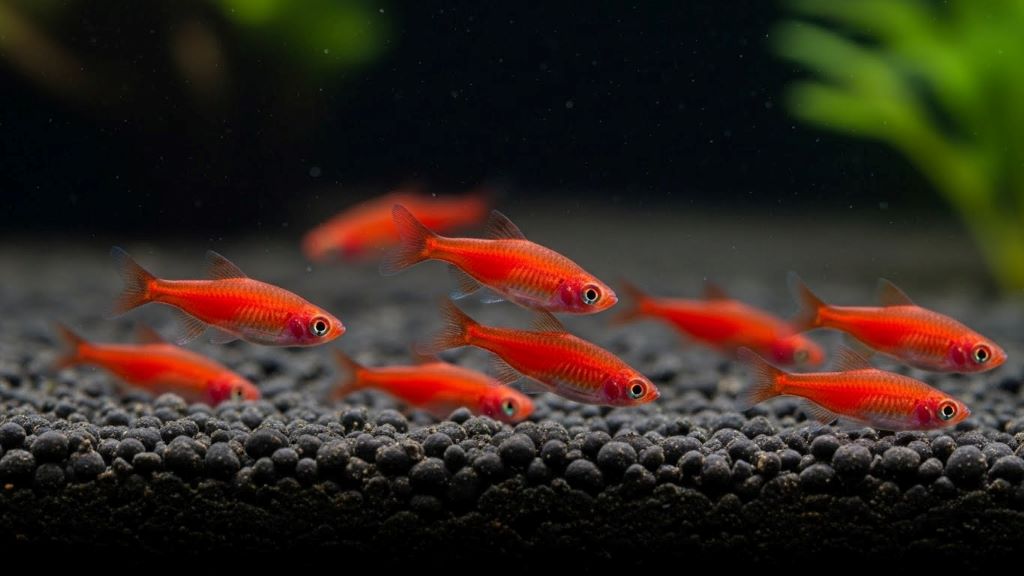
Chili Rasbora
The chili rasbora is among the smallest aquarium fish available. Adults reach only three-quarters of an inch long. Despite their tiny size, they showcase brilliant red and orange coloration that stands out beautifully against green plants.
These peaceful schooling fish thrive in groups of six or more. Their slow growth rate and minimal bioload make them perfect for nano tanks as small as five gallons.
Celestial Pearl Danio
Also known as galaxy rasboras, these stunning fish feature a dark blue body covered with pearl-like spots. Orange fins with black markings add additional visual interest. They typically grow to about one inch in length over their lifespan.
Celestial pearl danios are relatively peaceful but do best in well-planted tanks. Their slow growth and small adult size make them ideal for aquariums between 10 and 20 gallons.
Scarlet Badis
The scarlet badis is a micro predator with incredible coloration. Males display bright red and blue striped patterns. These fish grow very slowly and rarely exceed one inch in length.
However, they require live or frozen foods to thrive. Their territorial nature means keeping one male per tank is recommended. Nevertheless, their stunning appearance and manageable size make them worth the extra effort.
Pygmy Corydoras
Pygmy corydoras are delightful bottom-dwelling fish that stay under one inch long. They feature a silver body with a distinctive black horizontal stripe. These social fish should be kept in groups of at least six individuals.
They grow extremely slowly and have peaceful temperaments. Additionally, they help keep the substrate clean by scavenging for leftover food particles.
Sparkling Gourami
Sparkling gouramis are small labyrinth fish that reach approximately 1.5 inches in length. They display iridescent blue and green scales that shimmer under aquarium lighting. Their slow growth rate and peaceful nature make them excellent community fish.
These fish are known for their croaking sounds during courtship. Therefore, they add both visual and auditory interest to your aquarium setup.
Creating the Perfect Environment
Tank Size Considerations
Even slow growing fish need adequate space to thrive. A general rule is one gallon of water per inch of adult fish length. However, more space is always better for maintaining stable water conditions.
For schooling species, ensure you have enough room for appropriate group sizes. Overcrowding leads to stress, disease, and poor water quality regardless of fish size.
Water Parameters and Stability
Maintaining consistent water parameters is crucial in small aquariums. Most slow growing colorful fish prefer temperatures between 72 and 78 degrees Fahrenheit. Regular water testing helps prevent dangerous fluctuations in pH and ammonia levels.
Weekly water changes of 20 to 30 percent help maintain optimal conditions. Furthermore, using a quality filter appropriate for your tank size ensures proper biological filtration.
Aquascaping for Small Fish
Dense planting benefits slow growing fish species significantly. Live plants provide hiding spots, reduce stress, and improve water quality naturally. Java moss, anubias, and java fern are excellent low-maintenance options.
Creating multiple sight breaks prevents territorial disputes. Additionally, open swimming areas allow schooling fish to display their natural behaviors comfortably.
Feeding Slow Growing Fish
Proper nutrition supports healthy growth without promoting rapid size increases. High-quality flake or micro pellet foods work well for most small species. However, variety is important for optimal health and coloration.
Supplement prepared foods with frozen or live options like daphnia, baby brine shrimp, and microworms. Feed small amounts two to three times daily rather than one large feeding. This approach prevents overfeeding and maintains better water quality.
According to the Smithsonian’s National Zoo & Conservation Biology Institute, proper feeding schedules significantly impact fish health and longevity in home aquariums.
Tank Maintenance for Long-Term Success
Consistent maintenance ensures your slow growing fish remain healthy and colorful. Test water parameters weekly using reliable test kits. Perform regular water changes even if the water appears clear.
Clean the filter monthly but avoid replacing all media simultaneously. This practice preserves beneficial bacteria colonies essential for biological filtration. Additionally, remove dead plant material and uneaten food promptly to prevent water quality issues.
Benefits of Choosing Slow Growing Species
Slow growing fish offer numerous advantages for small aquarium enthusiasts. They remain appropriately sized for their environment throughout their lives. Therefore, you avoid the heartbreak of rehoming beloved fish that outgrew their tanks.
These species typically have longer lifespans when properly cared for. Furthermore, their manageable size makes routine maintenance easier and less stressful for both you and your fish.
The American Veterinary Medical Association provides guidelines for responsible fish keeping that emphasize choosing appropriate species for available space, which supports animal welfare.
Common Mistakes to Avoid
Many beginners make the mistake of overstocking small aquariums. Even with slow growing fish, overcrowding causes stress and health problems. Always research adult sizes and social needs before purchasing.
Another common error is inadequate filtration. Small tanks require efficient filtration systems to handle waste products effectively. However, avoid filters with strong currents that stress small fish species.
Skipping the nitrogen cycle is perhaps the most serious mistake. Always cycle your aquarium properly before adding any fish. This process typically takes four to six weeks but ensures a safe environment for your aquatic pets.
Conclusion
Slow growing colorful fish offer the perfect solution for small aquarium enthusiasts. Species like Endler’s livebearers, chili rasboras, celestial pearl danios, scarlet badis, pygmy corydoras, and sparkling gouramis provide stunning visual displays while remaining appropriately sized for compact tanks. By choosing these species, maintaining proper water conditions, and avoiding common mistakes, you can create a thriving miniature ecosystem. Remember that patience, research, and consistent care are the keys to long-term success with any aquarium setup, regardless of size.
Frequently Asked Questions
How many slow growing fish can I keep in a 10-gallon aquarium?
A 10-gallon tank can comfortably house approximately 10 to 15 small, slow growing fish depending on the species. Schooling fish like chili rasboras or celestial pearl danios can be kept in groups of 8 to 10, while larger species like sparkling gouramis should be limited to 3 to 4 individuals. Always consider adult size and territorial behaviors when stocking your aquarium.
Do slow growing fish require special care?
Slow growing fish generally require the same basic care as other aquarium fish. However, they often benefit from smaller, more frequent feedings and stable water conditions. These species are typically hardy and adaptable, making them suitable for beginners who follow proper aquarium maintenance practices.
How long does it take for these fish to reach adult size?
Most slow growing fish reach their adult size within 6 to 12 months. However, growth rates vary depending on genetics, diet, and environmental conditions. Some species like pygmy corydoras may take up to 18 months to reach full maturity.
Can I mix different species of slow growing fish together?
Yes, many slow growing colorful fish are peaceful and compatible with other small species. Research each species’ temperament and water parameter requirements before mixing. Avoid combining territorial fish like scarlet badis with multiple males of the same species in small tanks.
What is the best temperature for slow growing colorful fish?
Most slow growing colorful fish thrive in temperatures between 72 and 78 degrees Fahrenheit. Some species like chili rasboras prefer slightly warmer water around 76 to 80 degrees. Always research specific temperature requirements for the species you choose and use a reliable aquarium heater to maintain stability.
Related Topics:
The Lush Oasis Within: Cultivating Banana Plants in Your Aquarium
Best Beginner Clams for a Reef Tank: A Comprehensive Guide


