Introduction
Algae blooms are a common problem in aquariums, and they can be unsightly and harmful to fish and other aquatic life. Algae blooms occur when there is an excess of nutrients in the water, and they can be caused by a variety of factors, including overfeeding, insufficient filtration, and excessive lighting. Proper aquarium lighting management is crucial to prevent algae blooms, as it ensures that lighting conditions do not promote excessive algae growth while still supporting the health of aquatic plants and inhabitants.
Proper aquarium lighting management is essential for preventing algae blooms. By controlling the amount of light that your aquarium receives, you can help to create a healthy environment for your fish and plants.
The Role of Light in Algae Growth
Algae, like plants, need light to grow. They use light energy to convert carbon dioxide and water into food through photosynthesis. However, unlike plants, algae can grow quickly and out of control if they have access to too much light.
Types of Aquarium Lighting

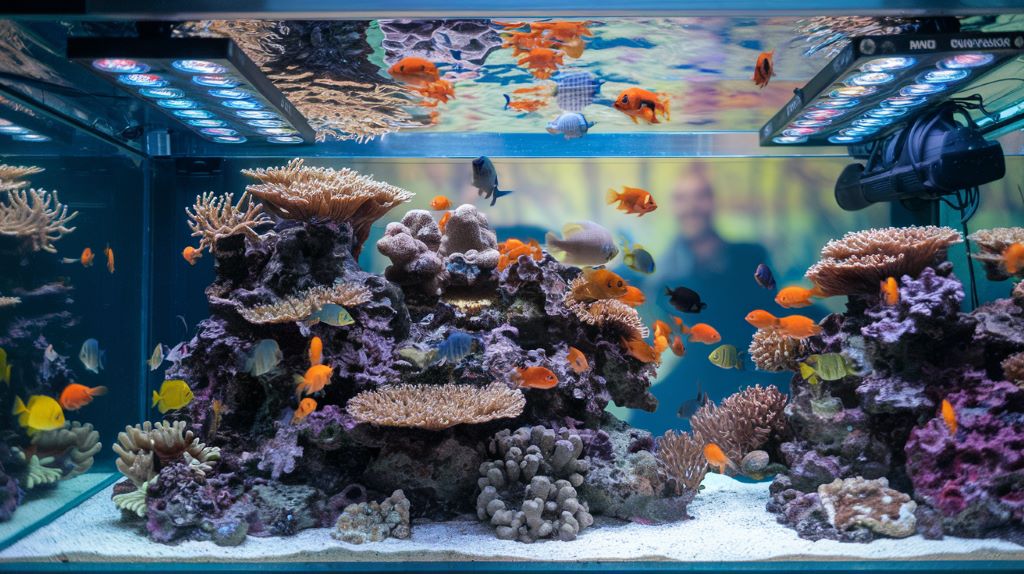
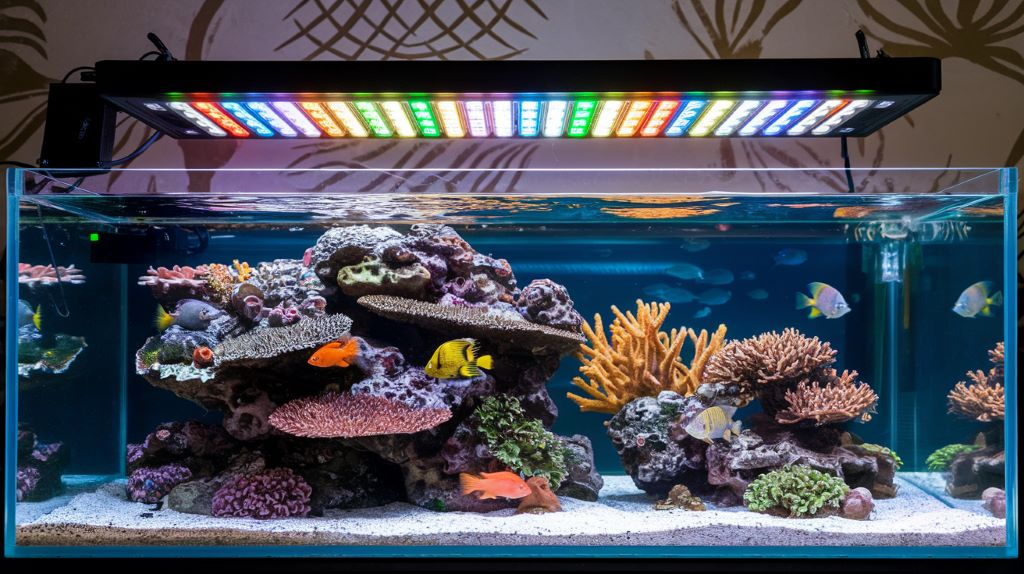
There are a variety of different types of aquarium lighting available, including fluorescent, LED, and metal halide. Each type of lighting has its own advantages and disadvantages, so it is important to choose the right type of lighting for your aquarium.
- Fluorescent Lighting: Fluorescent lights are a popular choice for aquariums because they are relatively inexpensive and provide good light output. However, fluorescent lights can produce a lot of heat, so they may not be suitable for all aquariums.
- LED Lighting: LED lights are becoming increasingly popular for aquariums because they are energy-efficient and long-lasting. LED lights also produce less heat than fluorescent lights, so they are a good choice for aquariums that are located in warm climates.
- Metal Halide Lighting: Metal halide lights are the most powerful type of aquarium lighting, and they are often used for large aquariums or aquariums that contain plants that require high light levels. However, metal halide lights are also the most expensive type of aquarium lighting, and they can produce a lot of heat.
How to Prevent Algae Blooms with Proper Lighting Management
There are a number of things that you can do to prevent algae blooms with proper lighting management:
- Choose the right type of lighting: As mentioned above, different types of lighting have different characteristics. Choose the type of lighting that is best suited for your aquarium and the type of plants and fish that you have.
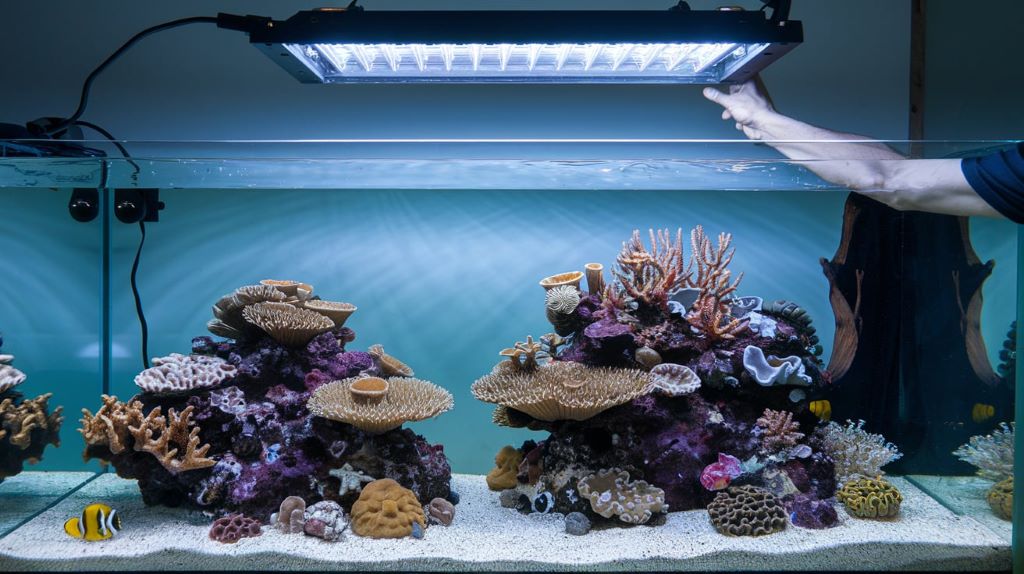
- Control the amount of light: The amount of light that your aquarium receives is a major factor in algae growth. You can control the amount of light by adjusting the photoperiod, which is the number of hours that the lights are on each day. For most aquariums, a photoperiod of 8-10 hours is sufficient.
- Use a timer: A timer can help you to ensure that your aquarium lights are turned on and off at the same time each day. This will help to create a consistent environment for your fish and plants, and it will also help to prevent algae blooms.
- Provide adequate filtration: A good filtration system will help to remove excess nutrients from the water, which can help to prevent algae blooms.
- Avoid overfeeding: Overfeeding your fish can lead to an excess of nutrients in the water, which can promote algae growth. Feed your fish only as much food as they can eat in a few minutes.
- Perform regular water changes: Regular water changes will help to remove excess nutrients and algae from the water. Change 10-20% of the water in your aquarium each week.
Best Reef Tank LEDs: Your Guide for Softies, LPS & SPS Corals
Popular FAQs
-
What are the signs of an algae bloom?
The signs of an algae bloom can vary depending on the type of algae, but they may include green, brown, or red water, cloudy water, and a slimy film on the surfaces of the aquarium.
-
What should I do if I have an algae bloom?
If you have an algae bloom, there are a number of things that you can do to control it. You can reduce the amount of light that your aquarium receives, improve filtration, and perform more frequent water changes. You can also use an algae scraper to remove algae from the surfaces of the aquarium.
-
Can algae be harmful to fish?
Some types of algae can be harmful to fish, especially if they are allowed to grow out of control. Algae can consume oxygen in the water, which can suffocate fish. Algae can also release toxins into the water, which can be harmful to fish.
-
How can I prevent algae blooms in the future?
The best way to prevent algae blooms is to practice proper aquarium maintenance. This includes choosing the right type of lighting, controlling the amount of light, providing adequate filtration, avoiding overfeeding, and performing regular water changes.
Conclusion
Proper aquarium lighting management is essential for preventing algae blooms and maintaining a healthy environment for your fish and plants. By following the tips above, you can help to create a beautiful and thriving aquarium.
Additional Tips
- Consider using a planted aquarium. Plants compete with algae for nutrients, which can help to prevent algae blooms.
- Introduce algae-eating fish or invertebrates. There are a number of fish and invertebrates that eat algae, such as plecos, snails, and shrimp.
- Use an algae control product. There are a number of algae control products available on the market, but it is important to choose a product that is safe for your fish and plants.
- Be patient. It takes time to establish a healthy aquarium. Don’t get discouraged if you have an algae bloom. Just follow the tips above and you will eventually get it under control.
Remember: Prevention is key. By taking steps to prevent algae blooms in the first place, you can save yourself a lot of time and effort in the long run.
If you have any questions or concerns about algae blooms, please consult with a qualified aquarium professional.
Read More:
Aquarium Lighting: Mimicking Nature’s Rhythm for a Thriving Underwater World