Building an aquarium does not have to cost a fortune. Many beginners assume they need expensive gear right away. However, a beautiful and healthy fish tank is absolutely achievable on a tight budget. One of the best ways to save money is by choosing gravel substrate, a versatile and affordable material that works well for most freshwater setups. This guide will walk you through every step of creating a budget-friendly aquarium using gravel substrate, from choosing the right tank to cycling the water before adding fish.
Why Gravel Substrate Is a Smart Budget Choice
When it comes to aquarium substrates, there are many options. Sand, soil, and clay-based substrates can all work well. However, gravel substrate stands out as the most cost-effective choice for beginners. It is widely available, easy to find at pet stores, and usually sold in large bags at a low price per pound.
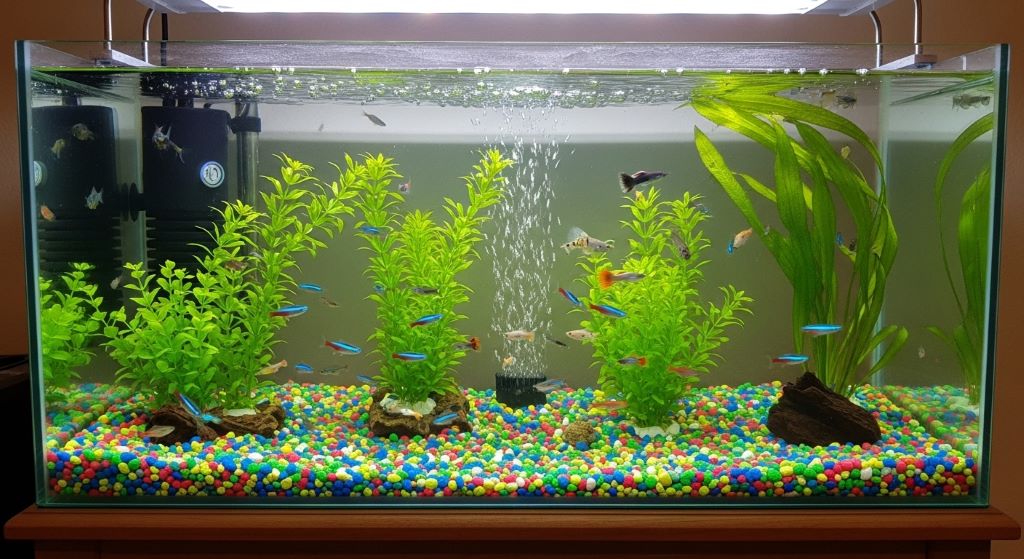
Gravel is also very easy to clean. Debris and fish waste tend to sit on top of the gravel rather than sinking deep inside it. Therefore, regular maintenance becomes faster and simpler. Additionally, gravel comes in many sizes and colors, giving you creative freedom without extra cost.
For most common freshwater fish, gravel substrate provides a perfectly comfortable and safe environment. It allows beneficial bacteria to grow, which is essential for a healthy aquarium. So, starting with gravel is not just a budget decision. It is also a smart one.
Choosing the Right Tank Size for Your Budget
The tank is the biggest purchase you will make. Tank prices vary widely based on size, brand, and whether they come in a kit. For a budget setup, a 10-gallon or 20-gallon tank is usually the best starting point.
A 10-gallon tank is small enough to be affordable but large enough to house several small fish comfortably. You can often find starter kits that include a filter, heater, and hood at a very reasonable price. These kits cut down the total cost significantly compared to buying each item separately.
A 20-gallon tank gives you a little more flexibility for fish choices. Larger tanks also tend to have more stable water chemistry, which means fewer problems in the long run. However, they do cost a bit more upfront. Choose the size that fits both your space and your spending limit.
Look for deals at local fish stores, big-box pet retailers, or second-hand marketplaces. Used tanks in good condition can save you a lot of money. Just make sure to inspect them carefully for cracks and test them for leaks before you buy.
Essential Equipment You Will Need
Before you start setting up your tank, you need to gather a few key pieces of equipment. Here is what you will need for a basic budget aquarium:
- A fish tank (10 or 20 gallons recommended)
- A filter suited to your tank size
- An aquarium heater (if keeping tropical fish)
- A thermometer to monitor water temperature
- A hood or light fixture
- A water conditioner to remove chlorine
- A water testing kit
- Gravel substrate (about 1 to 2 pounds per gallon)
- A gravel vacuum for cleaning
- Decorations or hiding spots for fish
Most of these items are available in starter kits. Buying a kit is often cheaper than purchasing each piece separately. Additionally, you can find affordable but reliable brands at most pet supply stores.
How to Select and Prepare Your Gravel
Not all gravel is the same. When shopping, look for aquarium-safe gravel that has been cleaned and does not contain sharp edges. Avoid gravel meant for gardens or landscaping, as it may contain chemicals harmful to fish.
For most tanks, natural or dark-colored gravel works best. It highlights the colors of your fish and gives the tank a clean, natural look. You will generally need about one to two pounds of gravel for every gallon of water. Therefore, a 20-gallon tank needs around 20 to 40 pounds of substrate.
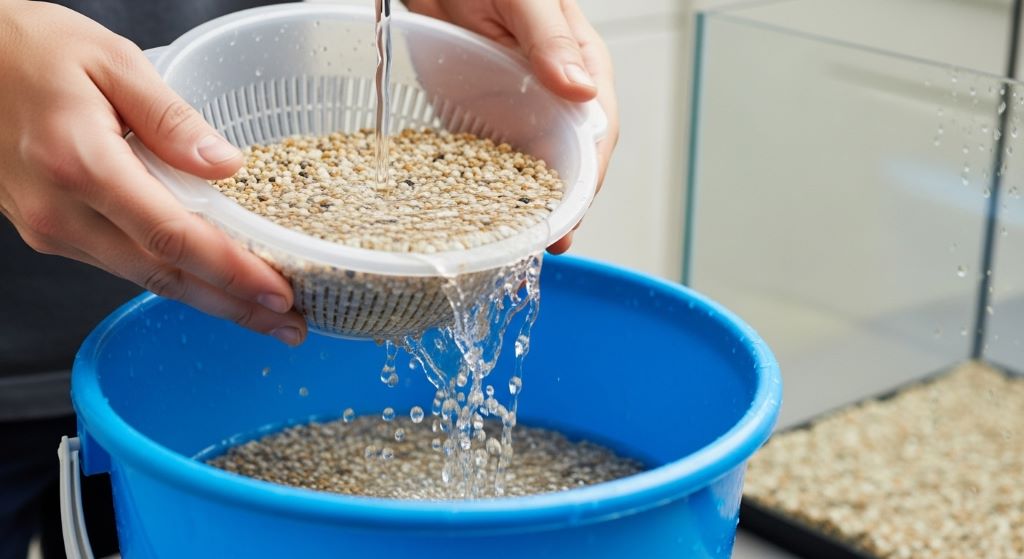
Once you have your gravel, rinse it thoroughly before adding it to the tank. Place the gravel in a clean bucket and run water through it until the water runs clear. This removes dust and fine particles that can cloud your tank water. Do not use soap or any cleaning product during this process.
After rinsing, add the gravel to your dry tank. Aim for a depth of about two to three inches. This depth is ideal for beneficial bacteria to grow and for most fish to feel comfortable. You can slope the gravel slightly higher toward the back of the tank to create depth and a more natural look.
Setting Up Your Filter and Heater
The filter is one of the most important tools in your aquarium. It keeps the water clean by removing waste and promoting the growth of helpful bacteria. For a budget setup, a simple hang-on-back filter or a sponge filter works perfectly well and costs very little.
Make sure to choose a filter rated for your tank size or slightly larger. A filter rated for 20 gallons on a 10-gallon tank will keep your water cleaner with less effort.
If you plan to keep tropical fish, you will also need a heater. Most tropical fish thrive in water between 75 and 80 degrees Fahrenheit. A basic submersible heater is affordable and easy to use. Place it near the filter so the warm water circulates evenly throughout the tank.
A thermometer is also essential. Stick-on thermometers are very cheap and easy to read. However, digital thermometers give a more accurate reading and are worth the small extra cost.
Decorating on a Budget
Decorations serve more than just an aesthetic purpose. They also give fish places to hide and explore, which reduces stress and encourages natural behavior. Fortunately, decorating your tank does not have to be expensive.
Natural driftwood and rocks collected from clean, unpolluted environments can work well. However, make sure to boil and thoroughly clean any natural items before placing them in the tank. This kills harmful bacteria and removes any unwanted chemicals.
Plastic plants are another affordable option. They never die, require no special lighting, and come in a wide variety of styles. Additionally, they add color and texture to your aquarium without any ongoing cost.
Terracotta pots, PVC pipes, and even smooth stones can all serve as fish-friendly decorations. Many fish love to hide inside tubes and caves. Therefore, these simple items can improve your fish’s wellbeing at minimal cost.
Cycling Your Tank Before Adding Fish
This step is often skipped by beginners, but it is one of the most important parts of setting up a healthy aquarium. Cycling your tank means allowing beneficial bacteria to grow before you add any fish. These bacteria convert harmful waste products into safer compounds, keeping your fish healthy.
To cycle your tank, set up all your equipment and fill it with dechlorinated water. Then add a small amount of fish food or pure ammonia to start feeding the bacteria. Test the water regularly using your water testing kit. You are looking for ammonia and nitrite levels to rise and then drop back to zero. When both read zero and nitrate is present, your cycle is complete.
This process usually takes three to six weeks. It requires patience, but it makes a huge difference in the long-term health of your fish. Additionally, you can speed up the process by adding a small amount of gravel or filter media from an already-established, healthy aquarium.
Choosing Affordable and Hardy Fish
Once your tank is cycled, it is time to choose your fish. For a budget aquarium, stick to species that are hardy, peaceful, and inexpensive. Some great beginner choices include:
- Guppies
- Platies
- Zebra danios
- Corydoras catfish
- White cloud mountain minnows
- Endler’s livebearers
These fish are forgiving of minor water fluctuations, widely available, and usually very affordable. Start with just a few fish and add more gradually. Overstocking your tank too quickly can lead to poor water quality and sick fish.
Always buy fish from a reputable store. Look for active, alert fish with no visible signs of disease. Quarantining new fish in a separate container for a week or two before adding them to your main tank is also a good practice. This helps prevent the spread of illness.
Maintaining Your Budget Aquarium
Regular maintenance keeps your aquarium healthy without requiring you to spend more money. The most important task is the weekly water change. Replace about 20 to 30 percent of the tank water each week. This dilutes waste and keeps water chemistry stable.
Use your gravel vacuum during water changes to suck up debris from the substrate. This is where gravel really shines over finer substrates. Cleaning is quick and straightforward.
Also rinse your filter media in tank water, not tap water, to preserve the beneficial bacteria living inside it. Additionally, wipe the inside glass with an aquarium-safe scrubber to remove algae buildup.
Check your water parameters weekly with your testing kit. Keeping track of ammonia, nitrite, nitrate, and pH helps you catch problems early. Feeding your fish small amounts once or twice a day and removing any uneaten food promptly also helps keep the water clean.
Conclusion
Building a budget aquarium setup using gravel substrate is a rewarding and very achievable goal. By choosing the right tank size, using affordable equipment, and selecting hardy fish, you can create a beautiful and healthy aquarium without spending a lot of money. The key steps are simple: rinse your gravel thoroughly, cycle your tank before adding fish, perform regular water changes, and choose fish that match your tank’s capacity.
Gravel substrate is an excellent foundation for any beginner setup. It is affordable, easy to maintain, and widely available. With patience and consistent care, your budget aquarium can thrive for years to come. Start small, learn as you go, and enjoy every moment of the journey.
Frequently Asked Questions
How much gravel do I need for a 10-gallon aquarium?
For a 10-gallon tank, you will need around 10 to 20 pounds of gravel substrate. Aim for a depth of two to three inches across the bottom of the tank for the best results.
Can I use regular gravel from outside in my aquarium?
No. Regular outdoor gravel can contain harmful chemicals, bacteria, and sharp edges that can injure fish. Always use gravel that is specifically labeled as aquarium-safe.
How long does it take to cycle a new fish tank?
Cycling a new aquarium typically takes three to six weeks. The process involves growing beneficial bacteria that convert ammonia and nitrite into less harmful nitrate. You can monitor progress with a water testing kit.
What are the cheapest fish suitable for a beginner aquarium?
Some of the most affordable and beginner-friendly fish include guppies, zebra danios, platies, and white cloud mountain minnows. These species are hardy, peaceful, and widely available at low prices.
How often should I clean the gravel in my aquarium?
You should vacuum your gravel once a week during your regular water change. This removes fish waste and uneaten food that collect between the stones, keeping your water clean and your fish healthy.
Related Topics:
Reef Aquarium Safe Silicone Glue: Your Guide to a Watertight Wonderland!
Pico Reef Tanks: A Miniature Ocean in Your Home