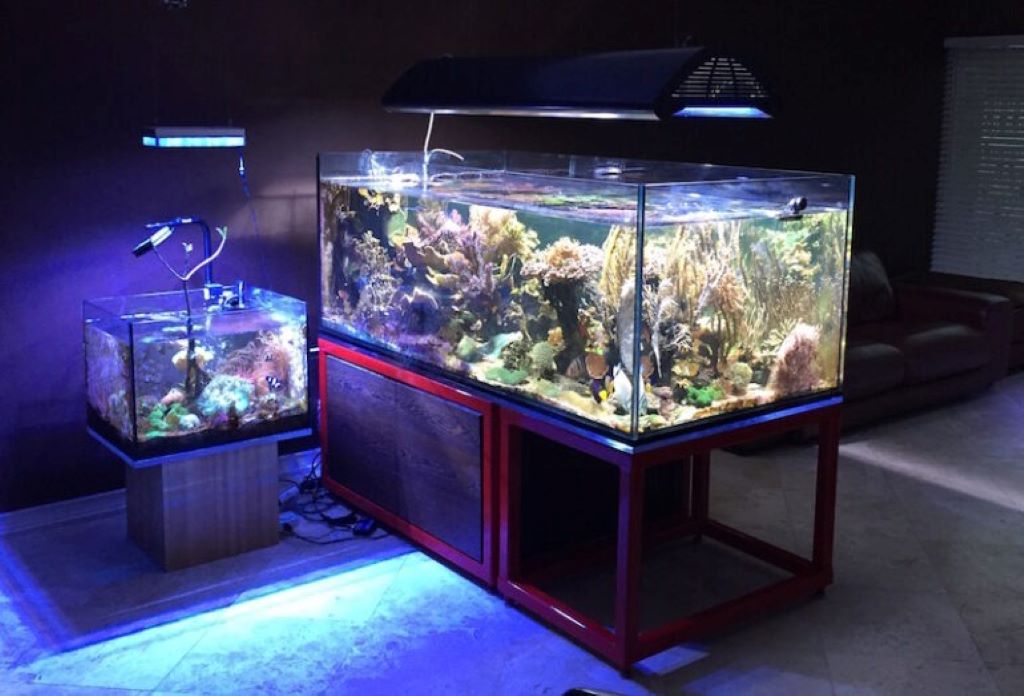
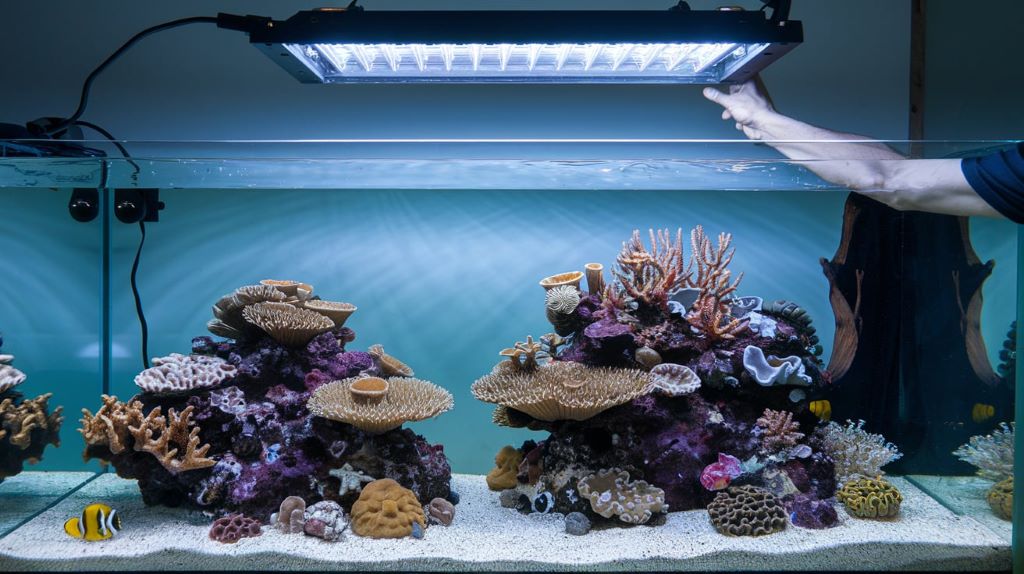
Maintaining a thriving reef aquarium is a rewarding endeavor, but it requires diligence and attention to detail. One crucial aspect of reefkeeping is ensuring the proper balance of trace elements in your tank. These elements, while present in minute quantities, play a vital role in the health and growth of corals, invertebrates, and other reef inhabitants. While commercial supplements are readily available, many aquarists opt for reef aquarium dosing solutions they create themselves to save money, customize their approach, and gain a deeper understanding of their reef’s chemistry.
This comprehensive guide delves into the world of DIY trace element dosing, exploring the benefits, drawbacks, popular recipes, and frequently asked questions. Whether you’re a seasoned reefkeeper or just starting your journey, this article will equip you with the knowledge to make informed decisions about supplementing your reef aquarium.
Understanding Trace Elements in Reef Aquariums
Trace elements are essential minerals found in seawater at very low concentrations. Despite their scarcity, they are crucial for various biological processes in marine organisms. In reef aquariums, corals and other invertebrates rely on these elements for growth, coloration, and overall health.
Some of the most critical trace elements include:
- Iron: Essential for photosynthesis and chlorophyll production in corals and algae.
- Manganese: Aids in enzyme function and skeletal formation.
- Zinc: Plays a role in enzyme activity and protein synthesis.
- Copper: Important for respiration and pigmentation.
- Nickel: Involved in nitrogen metabolism and enzyme function.
- Cobalt: A component of vitamin B12, essential for various metabolic processes.
- Molybdenum: Necessary for nitrogen fixation and nitrate reduction.
- Iodine: Promotes coral growth and coloration.
- Selenium: An antioxidant that protects cells from damage.
Depletion of trace elements can lead to various issues in reef aquariums, including:
- Stunted coral growth: Corals may exhibit slow or no growth due to insufficient nutrients.
- Pale or faded colors: Corals may lose their vibrant colors, appearing dull or bleached.
- Tissue necrosis: In severe cases, coral tissue may begin to die off.
- Poor polyp extension: Corals may retract their polyps, indicating stress or poor health.
- Increased susceptibility to disease: Weakened corals are more vulnerable to infections and parasites.
Regular water changes and the use of high-quality salt mixes can help replenish some trace elements. However, targeted supplementation through DIY dosing solutions is often necessary to maintain optimal levels, especially in densely populated or heavily stocked aquariums.
Benefits of DIY Trace Element Dosing Solutions
DIY trace element dosing offers several advantages over commercial supplements:
- Cost-effectiveness: DIY solutions are significantly cheaper than pre-made products, especially in the long run.
- Customization: You can tailor your DIY recipe to meet the specific needs of your reef aquarium, adjusting the concentration of individual elements as needed.
- Control: DIY dosing gives you complete control over the ingredients and quality of your supplements.
- Flexibility: You can easily modify your DIY recipe as your reef’s needs change over time.
- Increased understanding: Formulating your own solutions enhances your understanding of reef chemistry and the role of trace elements.
Drawbacks of DIY Trace Element Dosing Solutions
While DIY dosing offers numerous benefits, it’s essential to be aware of the potential drawbacks:
- Time commitment: Preparing DIY solutions requires time and effort, especially initially.
- Accuracy: Precise measurements are crucial to avoid overdosing or underdosing, which can harm your reef inhabitants.
- Contamination: Improper handling or storage can lead to contamination of your solutions, potentially introducing harmful substances into your aquarium.
- Risk of error: Mistakes in calculations or mixing can have negative consequences for your reef.
- Limited shelf life: DIY solutions may have a shorter shelf life than commercial products, requiring more frequent preparation.
Popular DIY Trace Element Dosing Recipes
Numerous DIY trace element recipes are available online and in reefkeeping literature. Here are two popular options to get you started:
Recipe 1: Simplified Trace Element Solution
This recipe focuses on the most crucial trace elements and is suitable for beginner DIYers.
Ingredients:
- 1 liter of distilled water
- 1 gram of iron chelate (Fe-EDTA)
- 0.5 grams of manganese chloride (MnCl2)
- 0.2 grams of zinc sulfate (ZnSO4)
Instructions:
- Dissolve each ingredient separately in a small amount of distilled water.
- Combine the dissolved solutions in a 1-liter container.
- Top up the container with distilled water to reach 1 liter.
- Store the solution in a cool, dark place.
Dosage:
Start with a daily dose of 1 ml per 100 liters of aquarium water. Monitor your coral’s response and adjust the dosage as needed.
Recipe 2: Comprehensive Trace Element Solution
This recipe includes a wider range of trace elements and is suitable for experienced reefkeepers.
Ingredients:
- 1 liter of distilled water
- 1 gram of iron chelate (Fe-EDTA)
- 0.5 grams of manganese chloride (MnCl2)
- 0.2 grams of zinc sulfate (ZnSO4)
- 0.1 grams of copper sulfate (CuSO4)
- 0.05 grams of nickel chloride (NiCl2)
- 0.05 grams of cobalt chloride (CoCl2)
- 0.02 grams of sodium molybdate (Na2MoO4)
- 0.1 grams of potassium iodide (KI)
- 0.05 grams of sodium selenite (Na2SeO3)
Instructions:
- Dissolve each ingredient separately in a small amount of distilled water.
- Combine the dissolved solutions in a 1-liter container.
- Top up the container with distilled water to reach 1 liter.
- Store the solution in a cool, dark place.
Dosage:
Start with a daily dose of 1 ml per 100 liters of aquarium water. Monitor your coral’s response and adjust the dosage as needed.
Important Note: These recipes are starting points. You may need to adjust the concentrations based on your specific aquarium’s needs. It’s crucial to research and understand the role of each element before making significant changes to your dosing regimen.
Tips for Successful DIY Trace Element Dosing

- Use high-quality ingredients: Purchase chemicals from reputable suppliers to ensure purity and accuracy.
- Invest in accurate measuring tools: Use a milligram scale and graduated cylinders to ensure precise measurements.
- Maintain cleanliness: Thoroughly clean all equipment and containers to prevent contamination.
- Store solutions properly: Store DIY solutions in airtight containers in a cool, dark place to preserve their potency.
- Start slow and observe: Begin with a low dosage and gradually increase it while monitoring your coral’s response.
- Test regularly: Regularly test your water parameters, including trace element levels, to ensure proper balance.
- Keep records: Maintain a log of your dosing regimen, including dates, dosages, and any observations about your coral’s health.
- Research and learn: Continuously educate yourself about trace elements and their role in reef aquarium health.
Reviews of DIY Trace Element Dosing
Many reefkeepers have successfully implemented DIY trace element dosing solutions in their aquariums. Here are some testimonials:
- “I’ve been using a DIY trace element solution for over a year now, and my corals have never looked better. The colors are more vibrant, and the growth is phenomenal. Plus, I’m saving a ton of money compared to commercial supplements.” – Mark S.
- “DIY dosing can seem intimidating at first, but it’s actually quite simple once you get the hang of it. I love the control it gives me over my reef’s chemistry, and I’m confident that I’m providing my corals with the exact nutrients they need.” – Sarah L.
- “I switched to DIY trace element dosing after experiencing some issues with commercial supplements. My corals were showing signs of stress, and their colors were fading. Since making the switch, their health has dramatically improved, and they’re thriving.” – John B.
These reviews highlight the positive experiences many reefkeepers have had with DIY trace element dosing. By taking control of their supplementation regimen, they have achieved healthier, more vibrant corals and saved money in the process.
Popular FAQs about DIY Trace Element Dosing
Q: How often should I dose trace elements?
A: The frequency of dosing depends on your aquarium’s needs and the depletion rate of trace elements. Start with daily dosing and adjust based on your observations and water tests.
Q: Can I overdose trace elements?
A: Yes, overdosing can be harmful to your reef inhabitants. It’s crucial to follow recommended dosages and monitor your water parameters closely.
Q: How do I know if my corals need trace element supplementation?
A: Signs of trace element deficiency include stunted growth, pale colors, tissue necrosis, and poor polyp extension. Regular water testing can also help identify deficiencies.
Q: Where can I buy the ingredients for DIY trace element solutions?
A: You can purchase chemicals from online retailers specializing in aquarium supplies or chemical suppliers.
Q: Is DIY trace element dosing suitable for all reef aquariums?
A: DIY dosing is generally suitable for most reef aquariums. However, it’s essential to research and understand the specific needs of your reef inhabitants before implementing a DIY regimen.
Q: Can I use tap water for DIY trace element solutions?
A: No, tap water contains impurities that can negatively affect your reef aquarium. Always use distilled or reverse osmosis (RO) water for DIY solutions.
Q: How long can I store DIY trace element solutions?
A: The shelf life of DIY solutions varies depending on the ingredients and storage conditions. Generally, it’s best to use solutions within a few months of preparation.
Conclusion
DIY trace element dosing solutions offer a cost-effective, customizable, and rewarding approach to supplementing your reef aquarium. By understanding the role of trace elements, following proper procedures, and monitoring your reef’s response, you can create a thriving environment for your corals and other invertebrates. While DIY dosing requires some initial investment of time and effort, the benefits in terms of coral health, cost savings, and increased knowledge make it a worthwhile endeavor for any dedicated reefkeeper.
Read More:
Dive Headfirst into the Mesmerizing World of LPS Corals!