
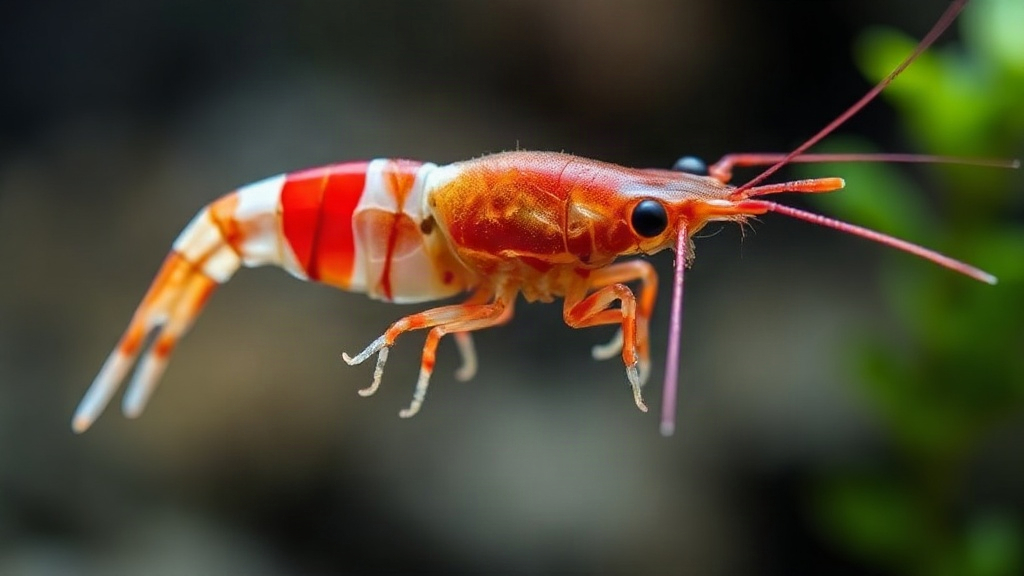
You scoop out five gallons, pour in fresh dechlorinated water, and by morning three red cherry shrimp are curled on their sides. Cherry Shrimp Dying After a Water Change: Causes and Fixes comes down to one truth most keepers learn the hard way: shrimp react to chemistry shifts long before fish do.
Quick answer: Most post-change deaths trace to a mismatch between old and new water. Temperature, pH, GH, KH, or TDS swings shock shrimp, and chlorine or copper in the replacement water finishes the job. Match the new water closely to the tank, add it slowly, and dose dechlorinator every time.
This article breaks down the real causes behind shrimp losses after water changes and gives you a step-by-step routine that protects them. You will also see the mistakes that quietly kill shrimp weeks after the damage is done.
What is Cherry Shrimp Dying After a Water Change: Causes and Fixes?
This problem describes a pattern where healthy cherry shrimp die within hours or days of routine maintenance. The deaths cluster around water changes rather than appearing randomly. That timing is the diagnostic clue.
Shrimp are osmoregulators with a thin, permeable shell. They cannot quickly adjust internal salt and mineral balance when surrounding water changes. Fish often tolerate a pH shift of 0.4 in a day. Neocaridina shrimp can show stress at a fraction of that.
The pattern also has a timeline that separates it from disease. Bacterial infections and parasites usually spread gradually across a colony. Chemistry shock hits the weakest shrimp first, often the newest arrivals or those close to molting, and does so within a day of the change. That difference matters when you are deciding what to do. A sudden cluster of deaths right after maintenance calls for checking your water source and method. A slow trickle of losses over weeks points toward stocking density, filtration, or an unnoticed ammonia source instead.
The main chemistry triggers
Several parameters can shock shrimp when they swing too fast:
- Temperature: a drop or spike of 3–4°F within minutes causes osmotic stress.
- pH: a shift of 0.3 or more in a short window stresses shrimp.
- GH and KH: these control mineral hardness and pH stability. Big changes trigger molting problems.
- TDS: total dissolved solids jumping by more than about 50 ppm signals a chemistry shake-up.
- Chlorine and chloramine: untreated tap water burns gill tissue.
The copper and heavy metal angle
Tap water can carry trace copper from pipes, and many tap conditioners do not remove it. Copper is lethal to shrimp at very low concentrations, and invertebrates are far more sensitive than fish. A sudden influx during a water change can push a tank past the shrimp’s tolerance.
A failed molt often follows a water change by two to five days. If you find empty shells next to dead shrimp, suspect a mineral or temperature swing, not disease.
Takeaway: deaths tied to change day point to water chemistry differences, not infection.
Why Cherry Shrimp Dying After a Water Change: Causes and Fixes matters
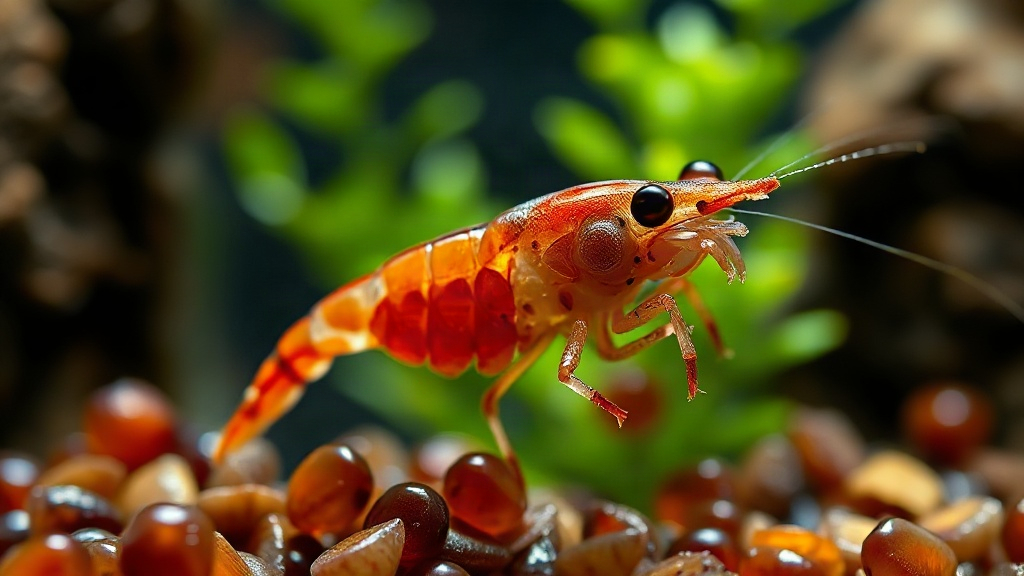
Losing a few shrimp may not seem like a crisis. The bigger cost is what follows. A stressed colony stops breeding, and berried females drop their eggs. Recovery can take weeks.
A colony that crashes also resets your accumulated experience. New keepers often respond by buying more shrimp into the same unstable setup, repeating the loss. Understanding the cause breaks that expensive loop and turns a baffling die-off into a manageable checklist. There is a practical baseline argument too. Once you know your tank’s stable parameters, every future change becomes a simple comparison. Keep a written log of temperature, pH, GH, KH, and TDS after each change. Patterns jump out fast, and you spot a drifting tap supply before shrimp pay the price.
Deaths hide a deeper tank problem
Shrimp deaths after a change often expose instability that was already there. A tank with steady parameters shrugs off a routine change. A tank running on the edge tips over. Fixing the change routine often reveals and corrects that underlying fragility.
Failed molts cascade through the colony
When one shrimp dies from a bad molt, the body decays and releases ammonia. In a small shrimp-only tank, that spike can trigger more deaths. Two losses can become ten in a week. Catching the pattern early breaks the chain.
Financial and emotional cost
Cherry shrimp are affordable individually, but a breeding colony represents months of investment. Replacing a stable bloodline costs more than the shrimp themselves. Watching a thriving colony collapse after one careless change also erodes confidence in the hobby.
It signals a fixable system, not bad luck
Many keepers assume shrimp are simply fragile. They are not. Neocaridina davidi are hardy once established. Deaths after changes usually trace to a specific, correctable variable you can control.
Comparison: common parameter swings vs. safe change targets
| Parameter | Risky swing per change | Safer target |
|---|---|---|
| Temperature | More than 2°F | Within 1–2°F |
| pH | 0.3 or more | Under 0.2 |
| TDS | Over 50 ppm | Under 30 ppm |
| GH | 2 dGH or more | Under 1 dGH |
Notice how small the safe margins are compared to fish tanks. Measure your change water against the tank before adding any.
Takeaway: treat every water change as a chemistry event, and stability becomes your main defense.
Best practices
A slow, measured routine prevents most post-change deaths. The goal is to make the new water nearly indistinguishable from the old.
Keep a dedicated shrimp-only bucket and siphon, marked so nobody uses them for household cleaning. Soap residue and chemical sprays on shared tools are a quiet source of losses. Store the gear dry and rinse it with tank water before each use. Draw the replacement water the night before and test it, not the tank water, right before you add it. Tap supplies shift with rainfall and utility flushing, so last week’s numbers may not hold. If the new water tests far off, blend or adjust it before it ever touches the tank. Finally, change water at the same time of day and skip it for 24 hours after feeding or a molt wave.
Prepare water a day ahead
Fill a bucket with tap water and dose a conditioner that neutralizes chlorine, chloramine, and heavy metals. Let it sit overnight with an air stone. This off-gasses chlorine and lets temperature equalize to room level.
Match parameters, not just temperature
Test both the tank and the new water before adding. Compare temperature, pH, GH, KH, and TDS. If your tap differs sharply from the tank, blend it with RO water or use a remineralizer to close the gap.
Change less, more often
For a shrimp tank, 10–15% weekly beats a single 40% change. Smaller volumes cause smaller swings. In a heavily planted, lightly stocked tank, you can stretch changes to every two weeks with monitoring.
Add water slowly
Drip the new water back in over 30–60 minutes using airline tubing with a valve. This dilutes any remaining parameter difference into something shrimp handle easily. Never pour a full bucket straight into the tank.
Keep the substrate and filter undisturbed
Deep-vacuuming a mature shrimp tank releases trapped organics and ammonia. Skim the surface lightly and leave the substrate alone. Rinse filter media in tank water, never under the tap.
Float the bucket in the tank for ten minutes before dripping. A 4°F difference feels trivial to you but registers as stress to a shrimp.
Takeaway: slow, matched, and frequent changes keep chemistry stable and shrimp calm.
Common mistakes to avoid
Most losses come from a handful of repeatable errors. Each one is easy to fix once you know it.
- Skipping dechlorinator because the water "smelled fine." Chlorine is invisible at lethal levels. Always dose.
- Using cold tap water straight without matching temperature. A few degrees of drop is enough to trigger shock.
- Big percentage changes to "clean up" a tank. A 50% change can swing pH and TDS far beyond safe limits.
- Deep-cleaning everything at once. Replacing filter media and vacuuming the substrate in the same session crashes the bacterial balance.
- Ignoring copper sources. Old pipes, certain fertilizers, and some medications introduce copper that shrimp cannot tolerate.
Rinsing a sponge or ceramic media under hot tap water is a related slip. The heat and chlorine kill the nitrifying bacteria that keep ammonia in check. Swish media in a bucket of old tank water instead, and never replace all of it at once. Matching only the thermometer on a glass strip is another weak spot. Cheap stick-on thermometers drift by a degree or two, so verify with a digital probe before you trust the reading. Finally, topping off evaporation with tap water concentrates minerals over time. Use remineralized RO or distilled water for top-offs so TDS stays flat between changes.
The overlooked mistake: changing water after a molt wave
When many shrimp molt together, their shells are soft and their bodies are sensitive. A water change on that same day adds stress on top of stress. Delay the change by a day if you see fresh molts scattered around the tank.
pH adjusters and buffers often create bigger swings than the problem they solve. Stable and slightly off beats swinging and "correct." If you need to change hardness, do it gradually over days, not in one session.
Takeaway: avoid rushed, oversized, or chemical-driven changes, and most deaths will never happen.
FAQ
How long after a water change do shrimp die if something went wrong?
Most deaths appear within 24 to 72 hours. Acute chlorine or copper exposure can kill within hours. Molt-related deaths often surface two to five days later, which is why the cause can look unrelated to the change.
Can I save shrimp that are already stressed after a change?
Sometimes. Stop all further changes, keep the tank dark, and avoid feeding for a day. Test the water to confirm parameters are stable. Surviving shrimp often recover within a few days if no second stress hits them.
Should I use tap water or RO water for cherry shrimp?
Tap water works if you test it and match the tank. RO water gives you full control over GH and KH, but you must remineralize it before use. Untreated pure RO water is dangerous because it pulls minerals from the shrimp.
Is a 50% water change ever safe for a shrimp tank?
Rarely, and only in an emergency such as an ammonia spike. Even then, match temperature and chemistry closely and add the water slowly. Routine changes should stay at 10–15% weekly to keep swings small.
Why do shrimp die after a change even when parameters test fine?
Test kits miss chlorine, chloramine, and trace copper. They also miss rapid shifts that happen during the change itself. Check your conditioner, your pipes, and how fast you pour the new water.
Conclusion
Deaths after a water change almost always trace to a chemistry mismatch, not fragile shrimp. Match temperature, pH, GH, and TDS before adding water, keep changes to 10–15% weekly, and drip the new water back in slowly. Dose a conditioner that handles chlorine, chloramine, and heavy metals every time.
Your next step is simple. Test your tap water against your tank water this week and note the gaps. Close the biggest difference first with slower, smaller changes. That single measurement often explains the losses you have been seeing.


