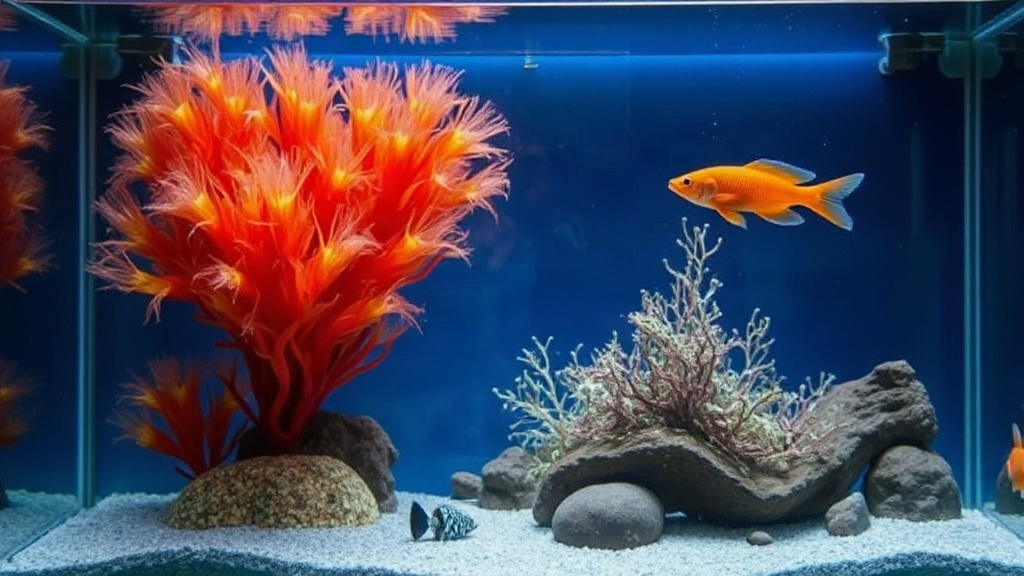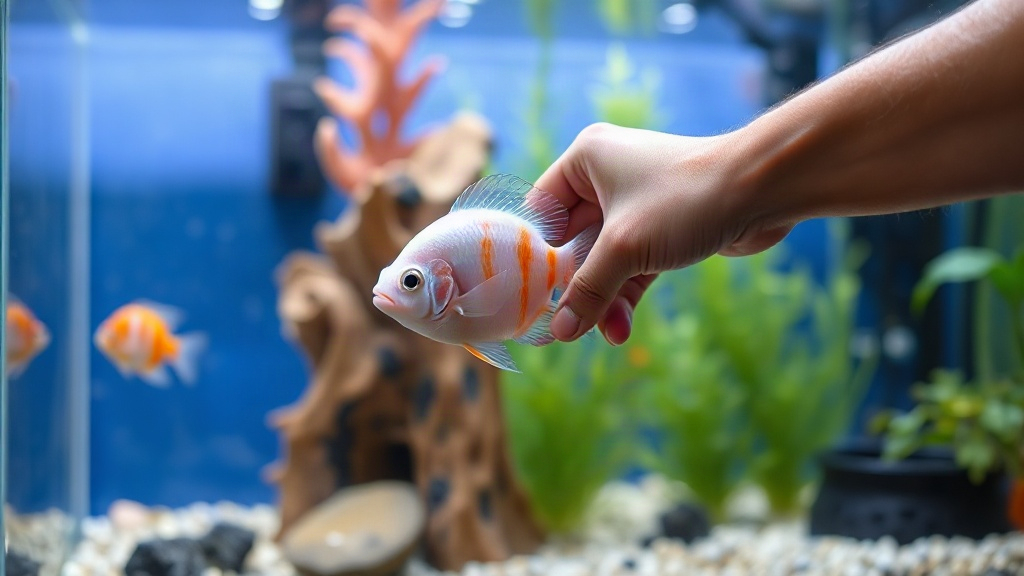
A bag of new fish on the counter and a tank full of settled residents — that moment is where most aquarium disasters begin. Learning how to introduce New Fish to an Established Aquarium Safely protects both the newcomers and the fish you already keep. Skipping the process invites stress, disease, and sometimes a tank-wide wipeout.
Quick answer: Float the bag to equalize temperature, then drip or cup tank water in slowly over 30 to 45 minutes. Net the fish out, never pour bag water into the tank, and keep the new arrivals in a separate quarantine tank for two to four weeks first. Patience matters more than any gadget.
This guide covers the gear you need, a step-by-step acclimation and release process, practical tips, and the mistakes that cost hobbyists the most fish.
What you need before starting
Gather everything before the fish leave the store. A missing net or heater mid-process forces rushed decisions.
The core equipment checklist
- Quarantine tank: 5 to 10 gallons for most community fish, with a filter, heater, and lid.
- Test kit: liquid tests for ammonia, nitrite, nitrate, and pH. Strips are less precise.
- Buckets: two dedicated plastic buckets, never used with soap.
- Net: a soft, fine-mesh net sized to the fish.
- Thermometer: for the tank and, ideally, the bag.
- Water conditioner: a dechlorinator that also binds ammonia and heavy metals.
- Airline and a control valve: for a slow drip line, if you prefer drip acclimation.
- Towel and a dim light: to reduce stress during the transfer.
Confirming the aquarium is ready
A tank is not ready just because it looks clear. Run your tests and confirm 0 ppm ammonia and 0 ppm nitrite before adding anything. Nitrate should stay below roughly 20 to 40 ppm, depending on your stock and plants.
Check the temperature and pH are stable and suit the new species. Look up the fish’s preferred range and compare it with your tank readings. A difference of more than about 0.4 pH units deserves a longer acclimation.
Ask one more question: does your current stock have room? Review adult sizes, not the small juveniles sold in stores. A fish that grows to 12 inches will overwhelm a 20-gallon community tank within a year.
Choosing healthy fish at the store
Inspect the tank before you buy. Avoid fish from a system with visible white spots, clamped fins, or dead specimens. Watch the fish swim for a few minutes; steady movement and clear eyes are good signs.
Ask the staff how long the fish have been in the store. A fish that arrived two days ago has not had time to show stress symptoms. One that has settled for a week or more is a safer bet.
Even a perfect-looking fish can carry parasites or bacteria. A two- to four-week quarantine protects an established tank far better than any dip or medication.
Timing and planning
Buy fish early in the day so you can complete the process without rushing. Avoid adding fish the same week you clean the filter or change large volumes of water. Give the tank a few calm days before the introduction.
Step-by-step instructions
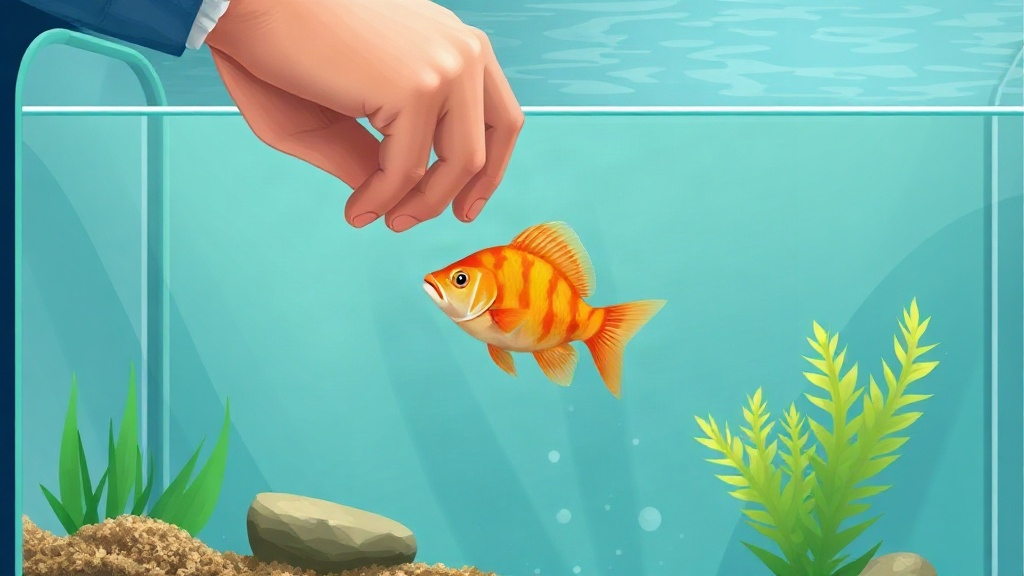
These steps work for most freshwater community fish. Marine and sensitive species may need longer acclimation times.
Step 1: Dim the lights and turn off the filter
Turn off the tank light and room lights. Bright light makes fish skittish and raises their stress hormones. Switch off the filter temporarily so the water stays still, then restart it once the process ends. Keep the heater running.
Step 2: Float the sealed bag for 15 to 20 minutes
Place the bag in the tank with the lights off. This equalizes water temperature gradually. Leave the bag sealed; opening it early lets ammonia build in the small volume of water. Cut open the top only after the floating period finishes.
Step 3: Add tank water slowly
Drip acclimation works best. Set up a length of airline with a control valve and let tank water drip into the bag at two to four drops per second. Aim for 30 to 45 minutes, which roughly doubles the original water volume.
If you skip the drip line, add a quarter cup of tank water to the bag every five minutes. Both methods adjust pH, hardness, and temperature gradually.
Step 4: Net the fish, not the water
Place a net over the bucket and gently guide the fish into it. Tip the net into the tank and let the fish swim free. Never pour bag water into your aquarium — it may carry pathogens, copper medication, or excess ammonia.
Step 5: Observe for 24 hours
Keep the lights off for the first few hours. Watch for heavy breathing, clamped fins, or hiding beyond normal settling behavior. Offer no food for the first 24 hours; stress suppresses appetite, and uneaten food fouls the water.
In a crowded tank, a breeder box or a small section of the tank gives a shy newcomer a calm start. Release the fish after a day or two.
Step 6: Monitor water daily for a week
Adding fish adds waste. Test ammonia and nitrite every day for the first week. Do a 20 to 30 percent water change if ammonia or nitrite rises above zero. Watch your existing fish too; a spike in aggression signals a social problem, not just a chemical one.
Tips for better results
Small adjustments make the difference between a fish that settles and one that sulks for weeks.
Match the source water to your tank
Ask what the store’s water parameters are. If their pH is 7.0 and yours is 8.0, plan a slower acclimation. A species sold in soft water will struggle in hard water no matter how careful the transfer.
Quarantine with intention
Use a bare-bottomed quarantine tank with a sponge filter and a simple hide. Observe for white spots, frayed fins, or unusual scratching against surfaces. Treat any symptoms promptly and wait for a clean week before moving the fish.
Feed lightly after settling
Start with a small meal on day two. Watch whether the new fish eats within a minute or two. A fish that ignores food for more than three days may be sick rather than shy.
Choose peaceful tankmates
Research temperament along with size. A peaceful community fish added to a tank with aggressive cichlids may be harassed from the first hour. Rearranging décor before adding newcomers can break up established territories.
Fish that can claim a corner, cave, or plant cluster settle faster. Providing cover near the substrate helps newcomers avoid the center of the tank, where dominant fish patrol.
Keep records
Note purchase dates, water parameters, and any treatments in a simple log. Patterns become obvious over months. A recurring problem with one species may point to water chemistry rather than disease.
Common mistakes to avoid
Most introduction failures trace back to a few repeated errors. Avoiding them costs nothing but a little planning.
Pouring bag water into the tank
This dumps ammonia, store water, and possible pathogens directly onto your established residents. Net the fish out every time. The same rule applies to water used for drip acclimation.
Skipping quarantine
A shortcut that saves two weeks can cost an entire tank. Quarantine is the single most protective step. If space is tight, a small plastic tub with a sponge filter works for a brief quarantine.
Adding too many fish at once
Each new arrival adds waste. Adding six fish at once to a small tank can trigger an ammonia spike within 48 hours. Add a few fish, wait two weeks, and test before buying more.
Comparison: drip acclimation vs. cup method
| Method | Time | Best for |
|---|---|---|
| Drip line | 30–45 minutes | Sensitive species, large pH gaps |
| Cup additions | 30–45 minutes | Hardy community fish |
| Float only | 15–20 minutes | Same-temperature, same-chemistry transfers |
Either careful method beats dumping. The float-only approach works only when source and tank water closely match.
Ignoring the established fish
Aggression is easy to miss in a busy tank. Watch fin damage, chasing, and retreating behavior in the days after the introduction. A quarantine box and a small rearrangement of décor often solve the problem.
Overfeeding during the settling period
New hobbyists often offer extra food to welcome a fish. Uneaten food decays quickly and feeds algae. Feed sparingly and remove anything left after a few minutes.
Even after quarantine, watch the first week in the main tank closely. Some issues take longer to appear than two weeks.
Neglecting the filter and temperature
Turning off the filter during acclimation is fine for 45 minutes. Forgetting to restart it is not. Check the temperature reading after the process; open lids and still water can shift it slightly.
FAQ
How long should I quarantine a new fish?
Two to four weeks covers most common parasites and bacterial issues. Extend the period if any symptoms appear. Keep the quarantine tank cycled and monitored during that time.
Can I skip drip acclimation if the store’s water matches mine?
No rule says you must drip. If temperature, pH, and hardness closely match, cup additions over 20 to 30 minutes are usually fine. Sensitive species still benefit from a slower process.
Is it safe to add fish the same day I set up a new tank?
No. A new tank needs a completed nitrogen cycle, which typically takes several weeks. Add fish only after ammonia and nitrite read zero consistently. Test daily and use a starter bacteria product if needed.
What if the new fish hides and won’t eat for days?
Hiding for the first day or two is normal. If the fish refuses food for three or more days, check water parameters and look for disease signs. Consider isolating it for closer observation.
How many fish can I add at once?
For a small community tank, add a few fish at a time and wait about two weeks between additions. Watch ammonia and nitrite after each addition. Larger tanks can absorb more new stock per round.
Do I need to medicate new fish automatically?
Not routinely. Prophylactic medication stresses fish and can harm your filter bacteria. Quarantine plus observation catches most problems. Treat only when symptoms appear or a known exposure exists.
Conclusion
Introducing fish safely comes down to three habits: test before you buy, acclimate slowly, and quarantine every newcomer. The extra two to four weeks in a separate tank protect the community you have already built. Rushing the transfer risks the tank you worked to establish.
Start with your next purchase. Set up a small quarantine tank, confirm your main tank’s parameters, and give the process the afternoon it needs. Your established fish will thank you by staying healthy, and the new arrivals will settle faster into a calm, stable home.