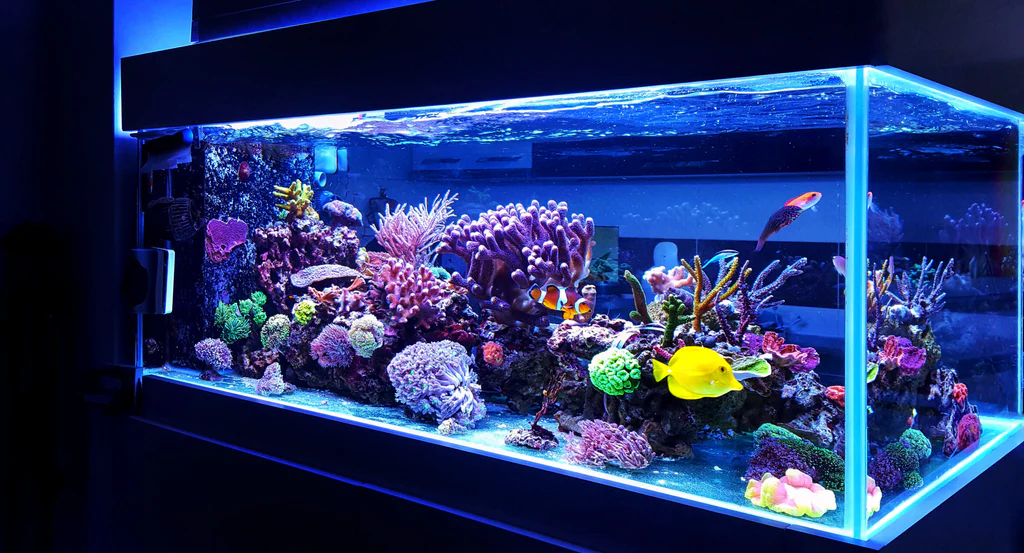
Maintaining a healthy aquarium goes beyond feeding fish and cleaning algae. Water chemistry plays a vital role in fish survival, yet many aquarists unknowingly make testing mistakes that harm their aquatic pets. Accurate water testing helps prevent disease, stress, and death in fish. In this guide, we’ll explore the top 10 common aquarium water testing mistakes and how to sidestep them like a pro.
-
Using Expired Test Kits
Test kits don’t last forever. Over time, the chemicals inside degrade, leading to inaccurate results. Many hobbyists continue using test kits well past their expiration date, unaware that expired reagents can provide false readings.
Solution: Always check the expiration date before use. Replace your test kit every 12–18 months even if it seems unused. For digital testers, recalibrate and verify sensor health regularly.
-
Testing Only One Parameter
Focusing solely on pH or ammonia ignores other critical factors like nitrite, nitrate, KH (carbonate hardness), and GH (general hardness). A stable pH means little if ammonia levels are toxic.
Solution: Use comprehensive testing kits that assess at least 5–7 key parameters. Consider a master test kit or digital monitor for continuous analysis.
According to a 2023 study from the Journal of Aquatic Pet Care, tanks with multi-parameter testing had 67% higher survival rates in fish over six months.
-
Improper Sample Collection
Dipping a test tube near the surface or during feeding distorts the water chemistry snapshot. Surface tension and uneaten food particles skew results.
Solution: Draw your sample from mid-depth, away from bubbles, filters, or corners. Use a clean syringe or cup to ensure consistent readings.
-
Not Following Instructions Precisely
Even experienced aquarists rush through the testing process. Miscounting drops or shaking the vial incorrectly changes outcomes drastically.
Solution: Always reread instructions for each kit brand. Timer-based steps, like shaking or waiting, should be strictly followed. Set reminders if needed.
Red Sea and API testing kits emphasize timing accuracy. Small deviations can lead to a 15–25% error in colorimetric readings.
-
Misreading Color Charts
Human error in color interpretation is common. Lighting conditions, color blindness, or inconsistent chart printing all contribute to inaccurate readings.
Solution: Read test results under natural light. Use digital colorimeters for precision. Apps like Aquarimate help interpret results visually and store logs.
-
Infrequent Testing
Testing once a month doesn’t capture fluctuations that stress aquatic life. Most tank crashes stem from undetected ammonia or nitrite spikes.
Solution: For new tanks, test daily during the cycling phase. Established tanks require weekly checks or more during water changes. Track results in a journal or app.
A survey by Reef Builders revealed that tanks tested weekly had a 40% reduction in fish loss due to water imbalances.
-
Neglecting Tap Water Quality

Many assume tap water is safe, but it often contains chlorine, chloramine, or high nitrate levels. Testing only after it’s in the tank is too late.
Solution: Test your tap water before adding it. Use a dechlorinator or RO/DI (reverse osmosis/deionization) system if needed. Municipal water reports offer a baseline but aren’t tank-specific.
-
Relying Solely on Strip Tests
Test strips are quick but notoriously inaccurate for certain parameters like nitrate and pH. Their ease-of-use comes at the cost of precision.
Solution: Use liquid test kits or digital meters for critical readings. Strips are good for quick checks but shouldn’t be your primary tool.
Brands like Hanna Instruments offer reliable digital readers that eliminate guesswork from your routine.
-
Overlooking Temperature’s Role in Testing
Water temperature affects chemical reactions. Performing tests with water that’s too cold or hot alters accuracy, especially for ammonia and pH.
Solution: Let the water reach room temperature before testing. Some kits specify temperature ranges, so always review the manual.
-
Assuming Stable Readings Mean a Healthy Tank
Stable parameters don’t always equal healthy fish. A tank may test “perfect” on paper while fish show signs of stress, illness, or strange behavior.
Solution: Combine testing with visual inspection of fish and plant health. Look for signs like clamped fins, color changes, or gasping. Water chemistry is just one piece of the ecosystem puzzle.
Featured Snippet: Why Are Aquarium Water Tests Important, and How Often Should I Use Them?
Aquarium water tests are vital for detecting invisible threats like ammonia, nitrite, and pH shifts. These issues often lead to stress, disease, and death in fish if left unchecked. Ideally, you should test the water weekly in established tanks and daily during the nitrogen cycle or after introducing new livestock.
Professional tip: Use a logbook or aquarium app to monitor trends instead of isolated results. This way, you’ll catch problems before they escalate.
According to Marine Depot’s expert reviews, consistent water testing reduces tank crashes by over 60%—making it the single most effective preventative measure.
FAQs
- How long do aquarium test kits last?
Most last 12 to 18 months. Always check the expiration date to ensure accuracy. - Are digital testers better than liquid kits?
Digital testers offer greater precision, especially for pH and salinity, but they require calibration and proper care. - How do I know if my test result is wrong?
If your fish show distress but results look fine, retest with a different kit. Inconsistencies often indicate test error or contamination. - Can I use pool test kits for my aquarium?
No. Pool kits don’t test for key parameters like ammonia or nitrite, which are critical for fish health. - Why is my nitrate always high despite water changes?
It may be due to overfeeding, insufficient filtration, or poor-quality tap water. Use RO water and reduce bioload. - What is the ideal pH for freshwater aquariums?
It varies by species but typically ranges from 6.5 to 7.5. Stability is more important than chasing a perfect number. - Is it okay to skip testing during water changes?
No. Water changes often shift parameters. Always test before and after large water changes to avoid shocking your fish.
Final Thought
Aquarium water testing isn’t just a chore—it’s your first line of defense against deadly tank crashes. Each of these top 10 mistakes can cause invisible damage that snowballs over time. By refining your testing habits and using accurate, consistent methods, you protect not only your fish but the entire aquatic ecosystem you’ve built.
Avoid shortcuts. Invest in reliable tools. And most importantly, stay curious. The more you learn about your tank’s chemistry, the better care you’ll provide for your underwater world.
Read More: