Introduction to Reef Aquarium Equipment Disinfection
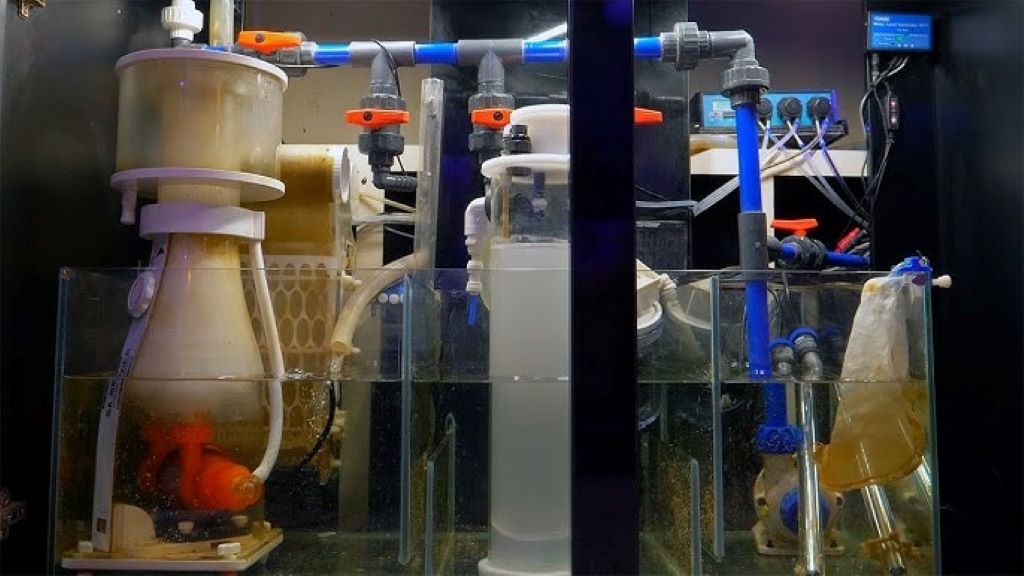
Maintaining a thriving reef aquarium requires meticulous care, especially when introducing used equipment into your setup. Used equipment, such as pumps, filters, or tanks, can harbor harmful bacteria, algae, or chemical residues that may jeopardize your reef ecosystem. Used equipment disinfection for reef aquariums is an essential step in preventing contamination and ensuring a safe environment for marine life. Proper disinfection is critical to ensure the health of your corals, fish, and invertebrates. This comprehensive guide explores the best practices for disinfecting used reef aquarium equipment, offering step-by-step instructions, safety tips, and eco-friendly solutions to keep your reef tank pristine.
Why Disinfecting Used Equipment Matters
Used aquarium equipment can carry contaminants like algae spores, pathogens, or chemical residues from previous setups. These can introduce issues such as:
- Algae Outbreaks: Spores from nuisance algae can trigger rapid growth, disrupting the balance of your reef tank.
- Pathogens: Bacteria or parasites may harm fish and invertebrates.
- Chemical Residues: Traces of copper, medications, or cleaners can be toxic to sensitive reef organisms.
Disinfecting used equipment eliminates these risks, ensuring a safe environment for your marine life. This process also extends the lifespan of your equipment by preventing corrosion or buildup.
Step-by-Step Guide to Disinfecting Used Reef Aquarium Equipment
Step 1: Inspect and Disassemble the Equipment
Before cleaning, thoroughly inspect the equipment for damage, wear, or debris. Disassemble removable parts, such as impellers in pumps or filter media holders, to ensure every surface is accessible. Check for signs of corrosion or calcium buildup, which may require additional treatment.
Step 2: Rinse with Freshwater
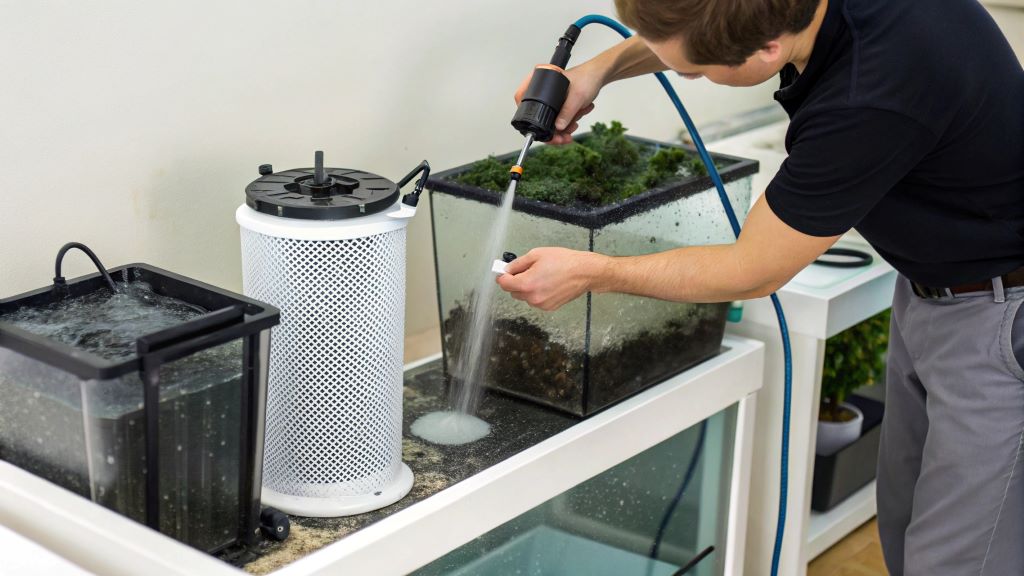
Start by rinsing the equipment with clean, dechlorinated freshwater to remove loose debris, salt, or organic matter. Use a soft brush or sponge to scrub away visible dirt. Avoid using tap water with chlorine, as it can leave residues harmful to reef inhabitants.
Step 3: Choose a Disinfection Method
Several disinfection methods are safe and effective for reef aquarium equipment. The choice depends on the equipment type and material.
Vinegar Soak
White vinegar is a reef-safe, eco-friendly disinfectant that effectively removes calcium buildup and organic residues.
- Solution: Mix equal parts white vinegar and dechlorinated water.
- Process: Soak the equipment for 1–24 hours, depending on the level of buildup. For stubborn deposits, use a stronger vinegar concentration or extend the soak time.
- Rinse: Thoroughly rinse with dechlorinated water to remove all vinegar traces.
Hydrogen Peroxide
Hydrogen peroxide (3% solution) is excellent for killing algae spores and bacteria.
- Solution: Dilute 1 part hydrogen peroxide with 4 parts dechlorinated water.
- Process: Soak non-metal parts for 10–20 minutes. Avoid prolonged exposure, as it may damage plastics or rubber.
- Rinse: Rinse multiple times with dechlorinated water.
Bleach Solution (Use with Caution)
A diluted bleach solution can be used for heavy-duty disinfection but requires extra care to avoid harming your reef tank.
- Solution: Mix 1 part unscented household bleach (no additives) with 20 parts dechlorinated water.
- Process: Soak equipment for 10–15 minutes. Never use on porous materials like filter media, as they may retain bleach.
- Rinse: Rinse thoroughly with dechlorinated water, then soak in a dechlorinator solution (like sodium thiosulfate) to neutralize any remaining bleach.
Step 4: Address Stubborn Buildup
For equipment with heavy calcium or algae buildup, use a plastic scraper or toothbrush to gently scrub affected areas during the soaking process. Avoid metal tools, which can scratch surfaces and harbor bacteria.
Step 5: Dry and Inspect
After rinsing, air-dry the equipment completely to prevent moisture-related bacterial growth. Inspect for any remaining residues or damage. Ensure all parts are clean and functional before reassembly.
Step 6: Test Before Use
Before adding the equipment to your reef tank, test it in a separate container with dechlorinated water to ensure no disinfectant residues remain. Check for unusual odors or cloudiness, which may indicate improper rinsing.
Best Practices for Safe Disinfection
- Use Reef-Safe Products: Avoid harsh chemicals like ammonia or soap, which can leave toxic residues.
- Wear Protective Gear: Gloves and eye protection prevent skin or eye irritation when handling disinfectants.
- Ventilate the Area: Work in a well-ventilated space, especially when using bleach or hydrogen peroxide.
- Label Equipment: If you use multiple tanks, label disinfected equipment to avoid cross-contamination.
- Quarantine New Additions: Even after disinfection, consider running used equipment in a quarantine tank for a few weeks to monitor for issues.
Eco-Friendly Disinfection Tips
Reef hobbyists often prioritize environmental sustainability. Here are eco-friendly ways to disinfect used equipment:
- Opt for Vinegar: It’s biodegradable, non-toxic, and effective for most cleaning tasks.
- Reuse Water: Collect rinse water for non-aquarium uses, like watering plants, if it’s free of harmful chemicals.
- Minimize Bleach Use: Reserve bleach for extreme cases to reduce environmental impact.
- Recycle Old Equipment: If equipment is beyond repair, recycle plastic or glass components through local programs.
Common Mistakes to Avoid
- Skipping the Rinse: Inadequate rinsing can leave disinfectant residues that harm marine life.
- Using Harsh Chemicals: Soaps or commercial cleaners may contain additives toxic to reefs.
- Neglecting Small Parts: Impellers, seals, or tubing can harbor contaminants if not cleaned thoroughly.
- Overlooking Quarantine: Introducing equipment too quickly risks contaminating your tank.
Special Considerations for Different Equipment Types
Pumps and Powerheads
Pumps often accumulate algae and calcium. Disassemble completely and soak in vinegar to dissolve buildup. Check impellers for wear and lubricate with reef-safe silicone if needed.
Filters
Remove all filter media before disinfection, as media can retain disinfectants. Use vinegar or hydrogen peroxide for canisters and components, and replace media if it’s old or contaminated.
Aquariums and Sumps
Glass or acrylic tanks require careful handling. Use vinegar for soaking or scrubbing, and avoid abrasive tools that can scratch surfaces. For acrylic tanks, ensure disinfectants are compatible to prevent clouding.
Heaters and Lighting
Avoid submerging electrical components. Wipe down exteriors with a damp cloth and vinegar solution, then dry thoroughly. Check cords for damage before reuse.
Maintaining a Clean Reef Tank Environment
Disinfecting used equipment is just one part of maintaining a healthy reef tank. Regular maintenance, such as water changes, algae control, and parameter testing, complements your disinfection efforts. Consider these tips:
- Monitor Water Quality: Test for ammonia, nitrite, nitrate, and pH to ensure a stable environment.
- Quarantine New Livestock: Pair equipment disinfection with livestock quarantine to prevent introducing pathogens.
- Clean Regularly: Routinely clean equipment already in use to prevent buildup and reduce the need for intensive disinfection.
Cleaning Aquarium Equipment with Vinegar: A Comprehensive Guide
FAQs About Disinfecting Used Reef Equipment
How often should I disinfect used equipment?
Disinfect any used equipment before introducing it to your reef tank. For equipment already in use, clean every 3–6 months or when you notice buildup or performance issues.
Can I reuse filter media after disinfection?
It’s best to replace filter media, as it can harbor contaminants that are difficult to fully disinfect. If reuse is necessary, rinse thoroughly and inspect for degradation.
Is bleach safe for reef equipment?
When used properly (diluted and thoroughly rinsed), bleach is safe for non-porous equipment. However, avoid it for sensitive materials or if you’re unsure about rinsing adequately.
What’s the best disinfectant for coral frag plugs?
Vinegar is ideal for coral frag plugs, as it’s effective and reef-safe. Soak for 1–2 hours, scrub gently, and rinse thoroughly.
Conclusion
Proper disinfection of used reef aquarium equipment is essential for maintaining a healthy, vibrant reef tank. By following a systematic cleaning process, using reef-safe disinfectants, and avoiding common mistakes, you can protect your marine ecosystem from contaminants. Whether you’re a seasoned hobbyist or new to reef keeping, these practices will help you integrate used equipment safely and sustainably. With careful attention to detail, your reef tank will continue to thrive, showcasing the beauty of your corals and marine life.
Read More:
Water Changes: Keeping Your Reef Tank Sparkling!
Aquarium Cleaning for Beginners: A Step-by-Step Guide, Pros and Cons, Reviews, and FAQs