Introduction
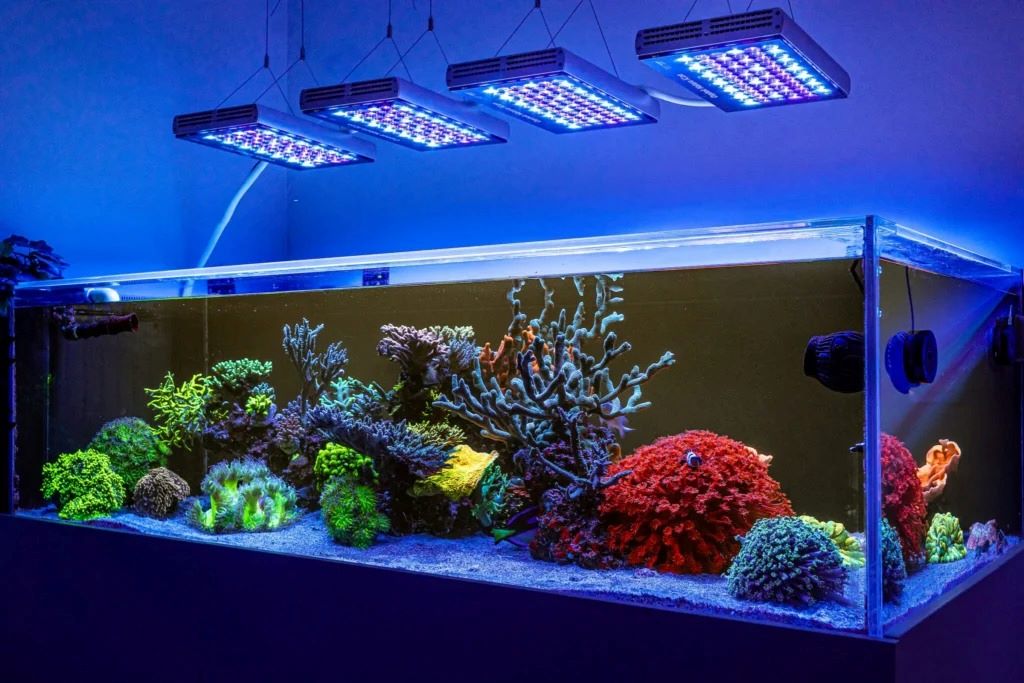
Reef aquariums are captivating ecosystems that bring the vibrant colors and diverse life of coral reefs into our homes. However, maintaining a thriving reef tank requires dedication, knowledge, and a proactive approach to problem-solving. One common challenge that reef aquarists face is the outbreak of cyanobacteria, also known as red slime algae. Troubleshooting common reef aquarium cyano outbreaks involves understanding the root causes and implementing effective strategies to restore balance to the tank.
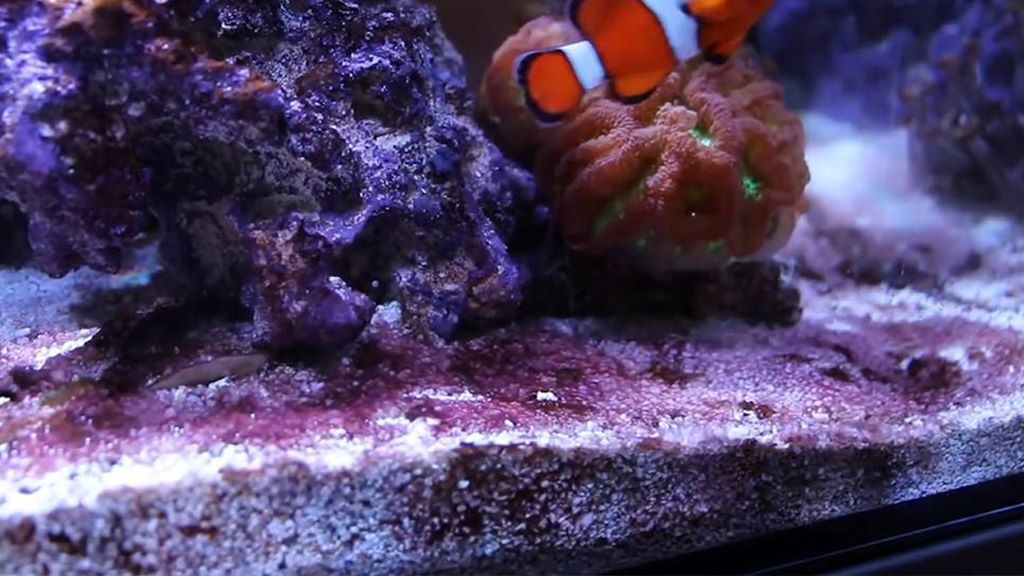
Cyanobacteria are photosynthetic bacteria that can form unsightly mats on the substrate, rocks, and even corals in your reef tank. While they are a natural part of the marine environment, excessive growth can smother corals, disrupt the delicate balance of the ecosystem, and detract from the beauty of your reef.
This comprehensive guide will delve into the causes of cyano outbreaks, provide effective troubleshooting strategies, discuss the pros and cons of various treatment options, and answer frequently asked questions to help you combat this persistent nuisance and maintain a healthy and vibrant reef aquarium.
Understanding Cyanobacteria
Cyanobacteria are ancient organisms that have thrived on Earth for billions of years. They are prokaryotic cells, meaning they lack a nucleus and other membrane-bound organelles found in more complex organisms like plants and animals. Despite their simple structure, cyanobacteria play a crucial role in the global ecosystem as primary producers, converting sunlight into energy and releasing oxygen as a byproduct.
In reef aquariums, cyanobacteria can appear as slimy mats of various colors, including red, brown, green, and even black. They thrive in nutrient-rich environments and can quickly colonize surfaces when conditions are favorable. While some level of cyanobacteria is normal in a reef tank, excessive growth can be detrimental to the health of your corals and other inhabitants.
Causes of Cyano Outbreaks
Several factors can contribute to cyano outbreaks in reef aquariums. Identifying the underlying cause is crucial for effective treatment and prevention. Here are some common culprits:
- Excessive Nutrients: High levels of nitrates, phosphates, and dissolved organic carbon (DOC) provide a feast for cyanobacteria, fueling their rapid growth. Overfeeding, inadequate filtration, and insufficient water changes can all lead to nutrient buildup.
- Poor Water Circulation: Stagnant water creates pockets where nutrients can accumulate and cyanobacteria can thrive undisturbed. Inadequate flow can also prevent essential nutrients from reaching corals and other beneficial organisms.
- Low Oxygen Levels: Cyanobacteria are more tolerant of low oxygen conditions than many other reef inhabitants. Poor aeration, overcrowding, and excessive detritus buildup can deplete oxygen levels, giving cyanobacteria a competitive advantage.
- Imbalance in the Microbiome: A healthy reef tank relies on a diverse community of microorganisms to maintain balance and prevent the overgrowth of any single species. Factors like antibiotic use, aggressive cleaning, and the introduction of contaminated equipment or livestock can disrupt the microbiome and create opportunities for cyano to flourish.
- Lighting: While cyanobacteria are photosynthetic, they can adapt to various lighting conditions. However, excessive or imbalanced lighting can sometimes favor their growth over other photosynthetic organisms like corals and macroalgae.
Troubleshooting Cyano Outbreaks

Addressing a cyano outbreak requires a multi-faceted approach that targets the underlying causes and promotes a healthy reef environment. Here’s a step-by-step guide to troubleshooting cyano:
- Identify the Cause: Carefully analyze your aquarium practices and water parameters to pinpoint the factors contributing to the cyano outbreak. Test for nitrates, phosphates, and other nutrients, assess water circulation and oxygen levels, and consider any recent changes in your tank that may have disrupted the balance.
- Improve Water Quality: Perform regular water changes with high-quality saltwater to reduce nutrient levels and replenish essential trace elements. Consider increasing the frequency or volume of water changes during a cyano outbreak.
- Enhance Filtration: Ensure your filtration system is adequately sized and functioning properly. Clean or replace filter media as needed, and consider adding additional filtration capacity if necessary.
- Optimize Water Circulation: Improve water flow throughout the tank to prevent stagnant areas and ensure even distribution of nutrients and oxygen. Adjust powerheads or add wavemakers to create turbulent flow patterns that mimic natural reef environments.
- Reduce Nutrient Input: Avoid overfeeding and promptly remove any uneaten food. Consider switching to low-nutrient foods and feeding smaller portions more frequently.
- Manual Removal: Physically remove as much cyano as possible using a siphon or turkey baster. Be careful not to disturb corals or other delicate organisms during the process.
- Introduce Beneficial Organisms: Certain organisms, such as snails, hermit crabs, and copepods, can help control cyano growth by grazing on it. Research compatible species for your reef tank and introduce them gradually.
- Consider Chemical Treatments: In severe cases, you may consider using chemical treatments specifically designed to target cyanobacteria. However, use these with caution as they can also harm beneficial organisms and disrupt the delicate balance of your reef ecosystem.
- Maintain Consistency: Once you have addressed the cyano outbreak, it’s crucial to maintain consistent water quality, circulation, and nutrient levels to prevent recurrence. Regular monitoring and proactive maintenance are essential for long-term reef health.
Pros and Cons of Cyano Treatment Options
Each cyano treatment option has its own set of advantages and disadvantages. Choosing the most appropriate method depends on the severity of the outbreak, the specific needs of your reef tank, and your personal preferences. Here’s a breakdown of the pros and cons of common cyano treatment options:
Manual Removal:
- Pros: Safe for most reef inhabitants, no risk of chemical side effects, immediate reduction of cyano biomass.
- Cons: Labor-intensive, may not eliminate all cyano, can disturb corals and other organisms.
Beneficial Organisms:
- Pros: Natural and sustainable approach, can help maintain long-term balance, adds biodiversity to the reef.
- Cons: May take time to establish a population, not effective against all types of cyano, some organisms may consume corals or other desirable inhabitants.
Chemical Treatments:
- Pros: Can be highly effective in eradicating cyano, relatively quick results.
- Cons: Potential for negative side effects on corals and other organisms, may disrupt the microbiome, can lead to resistance development in cyano.
Alternative Treatments:
- Ultraviolet Sterilization: UV sterilizers can help control cyano by disrupting their DNA and preventing reproduction. However, they can also kill beneficial bacteria and may not be effective against all cyano strains.
- Ozone: Ozone is a powerful oxidizer that can break down organic compounds, including cyano. However, it can also be harmful to corals and other reef inhabitants if not used carefully.
- Hydrogen Peroxide: Hydrogen peroxide can be used as a spot treatment for cyano, but it should be used with extreme caution as it can damage corals and other organisms.
Reviews of Popular Cyano Treatments
- Chemiclean: Chemiclean is a popular chemical treatment that has proven effective against many types of cyano. However, it can also harm corals and other invertebrates, so it’s crucial to follow the instructions carefully and monitor your tank closely during treatment.
- Red Slime Remover: Red Slime Remover is another chemical treatment that targets cyano. It is generally considered less harsh than Chemiclean, but it may not be as effective against all cyano strains.
- Vibrant: Vibrant is a relatively new product that claims to control cyano naturally by promoting the growth of beneficial bacteria. It has received positive reviews from many reef aquarists, but its effectiveness may vary depending on the specific conditions in your tank.
Popular FAQs about Cyano Outbreaks
- Is cyano harmful to fish? Cyano itself is not directly harmful to fish, but it can deplete oxygen levels and create an unhealthy environment that can stress fish and make them more susceptible to disease.
- Can cyano kill corals? Yes, cyano can smother corals and block their access to light and nutrients, eventually leading to their death.
- Will raising phosphate levels help control cyano? No, raising phosphate levels will only fuel cyano growth. The key to controlling cyano is to reduce nutrient levels, not increase them.
- How long does it take to get rid of cyano? The time it takes to eliminate cyano varies depending on the severity of the outbreak, the treatment method used, and the overall health of your reef tank. It can take anywhere from a few days to several weeks to completely eradicate cyano.
- How can I prevent cyano outbreaks in the future? The best way to prevent cyano outbreaks is to maintain excellent water quality, optimize circulation, avoid overfeeding, and promote a healthy microbiome. Regular monitoring and proactive maintenance are crucial for long-term reef health.
Conclusion
Cyano outbreaks are a common challenge for reef aquarists, but they are not insurmountable. By understanding the causes of cyano growth, implementing effective troubleshooting strategies, and choosing the most appropriate treatment options, you can combat this persistent nuisance and maintain a healthy and vibrant reef aquarium. Remember that prevention is key, so focus on maintaining excellent water quality, optimizing circulation, and promoting a balanced microbiome to create an environment where cyano cannot thrive. With patience, diligence, and a proactive approach, you can enjoy the beauty and diversity of your reef tank for years to come.
Read More:
Dive Headfirst into the Mesmerizing World of LPS Corals!