You scrub the rocks, the tank looks clean, and ten days later the green fuzz is back on the same patch. Reef Tank Hair Algae Keeps Coming Back: 7 Causes and a 30-Day Fix is the question every frustrated hobbyist eventually asks, and the answer is rarely “scrub harder.”
Quick answer: Hair algae returns because something still feeds it. Excess phosphate and nitrate, weak flow, too little clean-up crew, or old bulbs are the usual culprits. Fix the cause first, then run a four-week plan of manual removal plus measured nutrient control.
This guide walks through the seven real causes, the month-long fix in weekly steps, and the habits that keep the algae from returning.
What is Reef Tank Hair Algae Keeps Coming Back: 7 Causes and a 30-Day Fix?
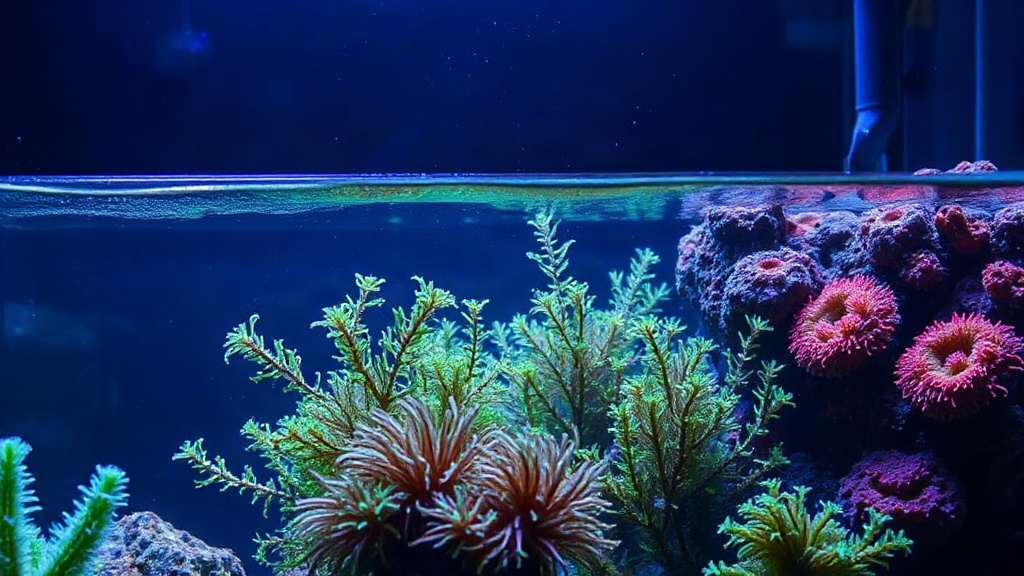
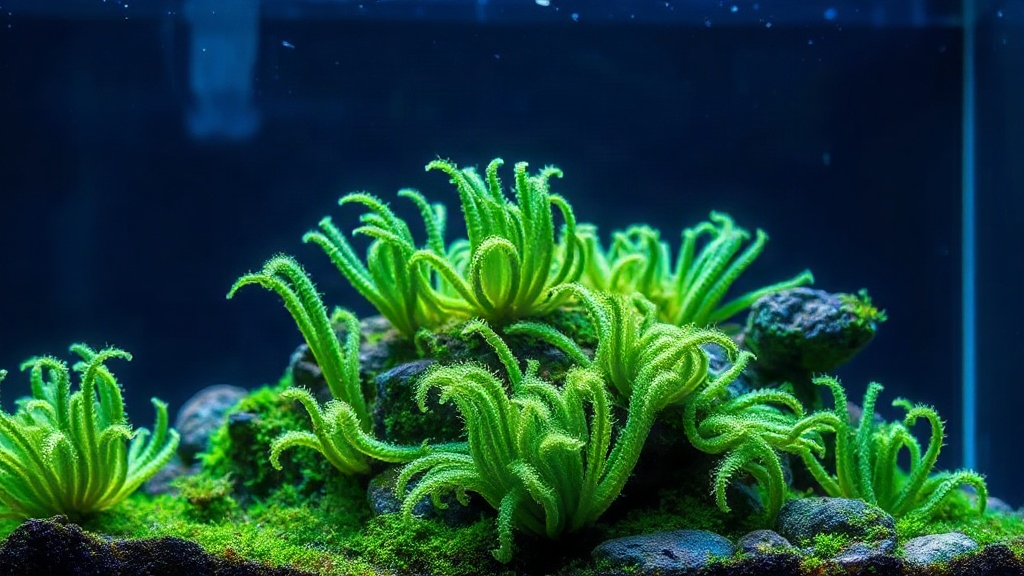
Hair algae is a fast-growing green filamentous algae that anchors to live rock and spreads in strands. It is one of the most common pests in reef tanks, and it is also one of the most misunderstood. The algae itself is not the problem; it is a symptom.
A bloom tells you the tank has more nutrients and light than the reef’s consumers can process. When you remove the visible algae without changing those inputs, it regrows from spores and leftover fragments within days.
The seven causes behind a recurring bloom:
- High phosphate from overfeeding, tap water, or old rock that has absorbed phosphate over years.
- High nitrate from heavy fish loads and insufficient export methods.
- Weak flow that lets detritus settle and algae anchor.
- An undersized clean-up crew with no grazing fish, snails, or urchins.
- Aging light bulbs or the wrong spectrum that shifts the light toward algae-friendly wavelengths.
- Poor source water that adds nutrients at every top-off and water change.
- Inconsistent maintenance where cleaning happens in bursts instead of steady routines.
The 30-day fix is a structured approach. Week one targets manual removal and baseline testing. Weeks two and three focus on nutrient export and flow. Week four is about locking in habits that keep numbers stable.
Nitrate and phosphate rarely spike together. One often limits the other, so lowering only the “high” number may not stop the bloom.
The key takeaway is simple: treat hair algae as an indicator, not an enemy. Test, identify the cause, then correct it.
Timing matters when you sample. Nitrate and phosphate levels rise and fall across the day, so a reading taken after feeding differs from one taken before the lights come on. Test at the same hour each time, keep the results in a log, and compare trends rather than single numbers.
Confirm the diagnosis before you act. Hair algae forms soft, fine green strands that sway in the current and pull away easily. Bryopsis has fern-like fronds, and dinoflagellates form brown strings with bubbles. A quick photo sent to a local club or forum prevents a month spent fixing the wrong problem.
Why Reef Tank Hair Algae Keeps Coming Back: 7 Causes and a 30-Day Fix matters
Ignoring recurring algae costs more than most people expect. Corals shade out under the strands and slowly lose color. Acropora and other sensitive species can decline within weeks, and recovering them takes months.
Nutrient problems also hide behind the algae. The algae absorbs phosphate as it grows, so your test reads low even though the tank has a real surplus. Remove the algae and the phosphate reappears in the water within days, which is why test results feel confusing during a bloom.
Flow matters for the same reason. Dead spots behind rockwork collect detritus that breaks down into nitrate and phosphate. A tank can show perfect numbers at the sump and still grow algae in those pockets.
Long-term neglect causes a second problem: old live rock becomes a phosphate reservoir. Rock absorbs phosphate over years and releases it back slowly. Hobbyists who inherit a used tank often fight algae for months for this reason alone.
What stabilizes a tank over time:
- Consistent nutrient readings in a defined range, not perfect zeros.
- A clean-up crew sized for the tank, replenished as animals die off.
- Water changes with verified zero-TDS source water.
Chasing zero nitrate and phosphate can starve corals and trigger dinos. Aim for stable, low-range numbers rather than nothing.
The takeaway: recurring algae drains money, coral health, and your patience. Fixing it early is cheaper than replacing lost livestock.
There is also a hidden cost in livestock. A dense mat of hair algae traps detritus and reduces water movement across the rock surface, which lowers oxygen levels in those pockets overnight. Fish and shrimp that shelter in the rockwork can become stressed, and stressed animals are more prone to disease.
Resale value is another factor. Buyers inspect rock closely, and a tank known for chronic algae is harder to sell or trade. Dealers often ask about algae history before accepting corals from a home system. Resolving the bloom protects both the animals and the investment you have built.
Best practices
The fix works when each week has a single focus, and you measure progress against your own tank’s normal.
Pick the test time and day of the week and keep it fixed, because nitrate and phosphate swing with feeding and lighting cycles. Sampling right after feeding will read higher than a morning sample, and comparing the two tells you nothing useful. One consistent slot gives you a trend line you can actually trust.
Write everything in a single notebook or app, including water changes, dosing, and clean-up crew additions. When the bloom returns months later, that log shows which readings drifted first and which fix worked before. Memory fades, but a dated record turns guesswork into a repeatable routine.
Week 1: remove and measure
Pull algae by hand while siphoning the loosened strands into a filter sock. Test nitrate and phosphate with a reliable kit, and record the numbers. Check the TDS of your source water; anything above zero is feeding the tank. Reduce feeding by about a quarter for a week and log how much the tank actually consumes.
Weeks 2 and 3: export and flow
Add or renew a nutrient export method. Options include a refugium with macroalgae, a protein skimmer tuned to produce dark skimmate, or a phosphate-removing media in a reactor. Increase flow toward dead spots; a wave maker aimed at the sand behind rockwork helps more than a stronger return pump. Add a clean-up crew suited to your tank size, such as trochus snails, a tuxedo urchin, or a lawnmower blenny if your tank fits one.
Week 4: lock in the routine
Retest and compare against week one. Set a simple schedule: a 10 to 20 percent water change weekly or biweekly, filter media rinsed monthly, and bulbs or LED schedules reviewed. Most algae problems shrink once parameters stay steady for a month.
Comparison: manual removal vs. chemical treatment
Manual removal and chemical products solve different problems. Read carefully before reaching for a bottle.
| Method | Speed | Risk | Best for |
|---|---|---|---|
| Manual removal | Immediate | Low | Every bloom |
| Phosphate media | Moderate | Low if dosed slowly | Sustained control |
| Algaecide products | Fast | Can harm corals and invertebrates | Last resort only |
Manual removal plus nutrient export handles most cases. Chemical shortcuts often return the problem because the underlying cause remains. Test, adjust, and repeat the same measurements each week.
Common mistakes to avoid
Most failed fixes share a few habits, and each one restarts the clock on your 30 days.
Cleaning everything at once. Scrubbing every surface in one session strips the beneficial biofilm that corals rely on. Clean a section per session instead. Repeated heavy scrubbing also spreads fragments across the tank.
Adding a huge clean-up crew. Snails and urchins starve once the algae is gone. Add animals gradually and let the crew scale with the available food.
Trusting a single phosphate test. As noted, the algae hides the number. Cross-check with a second brand of kit or a higher-sensitivity test before drawing conclusions.
Skipping the source water check. Tap water and exhausted RO/DI membranes add nutrients with every top-off. Verify TDS with a meter; it costs little and rules out a common cause.
Switching products every week. Every change needs time to show results. Give each method four weeks before judging it.
Overstocking while the bloom is active. New fish add waste and stress. Pause additions until readings hold steady for a month.
Some algaecide products damage corals, shrimp, and urchins. Remove sensitive animals if the label warns about invertebrates.
The takeaway is that patience and consistency beat any single product. Changing one thing at a time is what separates a permanent fix from a temporary clean-up.
Siphoning into a filter sock and then rinsing that sock under tap water undoes the work, since chlorine and residue can kill the bacteria living in it. Rinse mechanical media in tank water pulled during a water change, and replace filter floss rather than washing it. Small habits like this decide whether a cleanup removes nutrients or just relocates them.
Treating the display while ignoring the sump is another quiet failure. Detritus collects in return chambers and media baskets, and algae fragments settle there to seed the next bloom. Vacuum the sump once during the month and check any chaeto or filter pads for trapped sludge. The display can look spotless while the sump keeps feeding the problem.
FAQ
How long until hair algae is fully gone?
Most tanks show clear improvement within 30 days if you follow the weekly plan. Full clearance can take two to three months in tanks with old rock that holds phosphate.
Do I need to remove every strand by hand?
No. Removing most strands buys time for your nutrient control to work. The remaining algae stays manageable as long as readings trend down.
Will a tang or blenny solve it alone?
No. A grazer helps, but it cannot process all the nutrients a bloom produces. Pair it with export methods.
Is it safe to use algaecide in a reef tank?
Many products are not invertebrate-safe. Use them only as a last resort, and read the label carefully. Manual removal and export are safer first choices.
Why do my tests read zero during a bloom?
The algae consumes the nutrients as they appear. Test before removing algae, or remove a patch and retest the same day.
Can high light intensity cause hair algae?
Indirectly. Long light periods and old bulbs favor algae growth. Keep a schedule of about 8 to 10 hours and replace aging bulbs.
Conclusion
Recurring hair algae signals that a tank’s nutrient balance is off, not that you are failing as a reefer. The seven causes all trace back to three levers: nutrients, flow, and maintenance consistency. The 30-day fix addresses each one in turn, and it works when you follow it without skipping weeks. Start this week by testing your source water and logging nitrate and phosphate. Those two readings tell you where to focus first, and a month of steady effort usually turns the tank around.