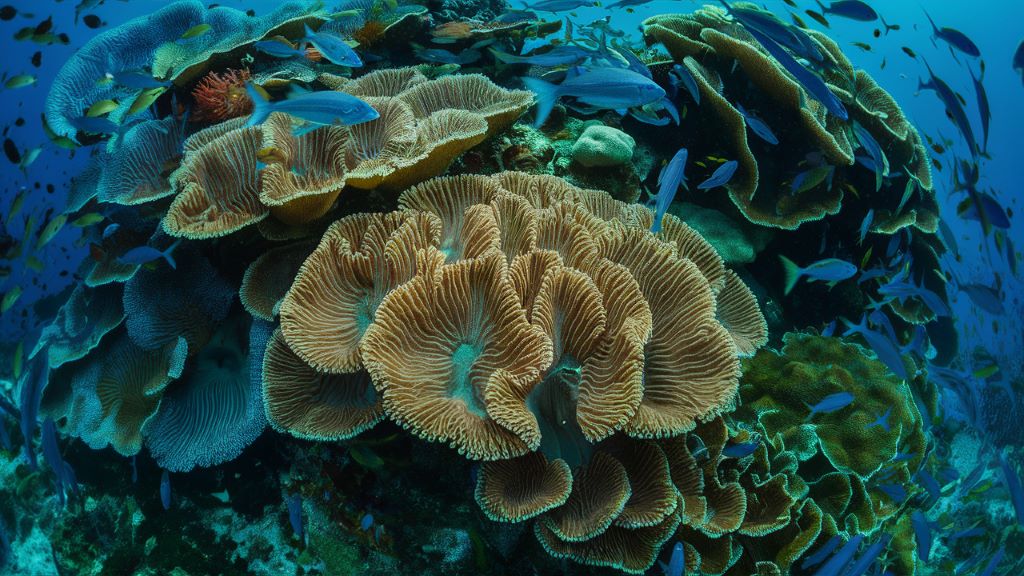
The mesmerizing underwater world of a coral reef, teeming with vibrant life and intricate ecosystems, has captivated humans for centuries. But what if you could bring a piece of that magic into your own home? Enter the nano reef aquarium, a miniature marvel that encapsulates the beauty of a coral reef in a compact, manageable package. This comprehensive guide will navigate you through everything you need to know about nano reef aquariums, from setting up your own miniature reef to maintaining its delicate balance and selecting the perfect inhabitants.
What is a Nano Reef Aquarium?
A nano reef aquarium is essentially a miniature saltwater aquarium, typically with a capacity of 30 gallons or less. These compact ecosystems are designed to house a variety of marine life, including corals, invertebrates, and small fish. Unlike traditional, larger reef tanks, nano reefs offer a unique set of advantages:
- Space-saving: Perfect for smaller living spaces, apartments, or even desktops.
- Affordability: Generally less expensive to set up and maintain compared to larger aquariums.
- Increased accessibility: Easier water changes and maintenance due to the smaller water volume.
- Unique aesthetic appeal: Offers a captivating focal point that brings the beauty of the ocean into your home.
However, nano reefs also present specific challenges:
- Parameter stability: Smaller water volumes are more susceptible to rapid fluctuations in water parameters, demanding diligent monitoring and maintenance.
- Limited livestock options: The confined space restricts the types and number of inhabitants you can keep.
- Equipment considerations: Selecting appropriately sized and efficient equipment is crucial for maintaining a healthy environment.
Despite these challenges, with careful planning, the right equipment, and consistent care, a nano reef aquarium can be a rewarding and awe-inspiring addition to your home.
Setting Up Your Nano Reef Aquarium: A Step-by-Step Guide
Creating a thriving nano reef involves careful planning and execution. Here’s a step-by-step guide to get you started:
-
Choose the Right Tank:
Selecting the right tank is crucial. Consider factors like material (glass or acrylic), dimensions, and shape. While smaller tanks are easier to place, they can be more challenging to maintain stable water parameters. A tank size between 10 and 20 gallons is generally recommended for beginners.
-
Essential Equipment:
- Filtration: A good quality filter is essential for removing waste and maintaining water quality. Options include hang-on-back filters, canister filters, or all-in-one systems designed for nano reefs.
- Lighting: Corals require adequate lighting for photosynthesis. LED lights are energy-efficient and offer a spectrum beneficial for coral growth.
- Water Circulation: Proper water flow ensures even distribution of nutrients and oxygen. Consider powerheads or wavemakers to create adequate circulation.
- Heater: Maintaining a stable temperature is crucial for the health of your reef inhabitants. Choose a reliable heater with an accurate thermostat.
- Testing Kits: Regular water testing is vital. Invest in test kits for ammonia, nitrite, nitrate, pH, alkalinity, and calcium.
- Aquascaping Rock: Live rock provides biological filtration and creates a natural environment for your livestock. Choose rocks with interesting shapes and crevices.
- Substrate: While not essential, a thin layer of live sand can contribute to biological filtration and provide a natural aesthetic.
-
Aquascaping:
Aquascaping is the art of arranging rocks and corals to create an aesthetically pleasing and functional environment. Plan your aquascape before adding water, considering factors like water flow, coral placement, and future growth.
-
Cycling the Tank:
Cycling is the process of establishing beneficial bacteria that break down harmful waste products. This process can take several weeks and involves monitoring water parameters closely.
-
Adding Livestock:
Start with hardy corals and invertebrates, gradually introducing more sensitive species as your tank matures. Research the specific needs of each inhabitant to ensure compatibility and proper care.
Maintaining Your Nano Reef: Essential Care Tips
Maintaining a thriving nano reef requires consistent effort and attention to detail. Here are some essential care tips:
- Regular Water Changes: Perform partial water changes (10-20%) every week or two to replenish trace elements and maintain water quality.
- Water Parameter Monitoring: Regularly test water parameters and make adjustments as needed to ensure optimal conditions for your livestock.
- Nutrient Control: Excess nutrients can lead to algae growth. Control nutrient levels through proper feeding, regular water changes, and protein skimming.
- Coral Care: Observe your corals regularly for signs of stress or disease. Provide appropriate lighting, water flow, and supplementation as needed.
- Cleaning: Regularly clean the tank glass, remove any accumulated detritus, and perform filter maintenance as recommended by the manufacturer.
Choosing the Right Inhabitants for Your Nano Reef
Selecting the right inhabitants is crucial for a balanced and thriving nano reef. Consider the following factors:
- Compatibility: Ensure that the species you choose are compatible with each other in terms of temperament, space requirements, and water parameters.
- Size: Choose smaller species that are appropriate for the limited space of a nano reef.
- Care Requirements: Research the specific needs of each species, including lighting, water flow, and feeding requirements.
Popular Nano Reef Inhabitants:
- Corals: Soft corals, Leather corals, Zoanthids, Mushroom corals, and some LPS corals are suitable for nano reefs.
- Invertebrates: Snails, hermit crabs, shrimp, and small starfish are excellent additions for algae control and adding biodiversity.
- Fish: Clownfish, gobies, blennies, and small wrasses are popular choices for nano reefs.
Remember to research the specific needs of each species before adding them to your tank.
Top Nano Reef Aquarium Products: Reviews

Choosing the right equipment can make a significant difference in the success of your nano reef. Here are reviews of some top-rated products:
-
Innovative Marine NUVO Fusion Series:
These all-in-one aquariums are specifically designed for nano reefs, featuring built-in filtration, adjustable return pump, and a dedicated media chamber. The sleek design and compact size make them a popular choice for both beginners and experienced reefers.
-
Fluval Sea Evo XII:
Another excellent all-in-one option, the Fluval Sea Evo XII offers powerful filtration, adjustable LED lighting, and a convenient feeding door. Its compact size and comprehensive features make it a great choice for nano reef enthusiasts.
-
Aquamaxx HOB-1 Protein Skimmer:
This hang-on-back protein skimmer is specifically designed for nano aquariums. It efficiently removes organic waste, helping to maintain water quality and reduce nutrient levels.
-
AI Prime HD LED Light:
This powerful and versatile LED light offers a customizable spectrum and intensity, making it suitable for a wide range of corals. Its compact size and efficient design make it ideal for nano reefs.
-
EcoTech Marine VorTech MP10:
This compact and powerful wavemaker creates natural water movement, promoting coral health and preventing stagnant areas in your nano reef.
Low-Tech Reef Aquarium: Sustainable and Diving into the Future
Frequently Asked Questions (FAQ) about Nano Reef Aquariums
-
What is the best size for a nano reef aquarium?
A tank size between 10 and 20 gallons is generally recommended for beginners.
-
How often should I perform water changes in my nano reef?
Perform partial water changes (10-20%) every week or two.
-
What are the best corals for a nano reef?
Soft corals, Leather corals, Zoanthids, Mushroom corals, and some LPS corals are good choices.
-
Can I keep fish in my nano reef?
Yes, but choose smaller species that are appropriate for the limited space.
-
How do I prevent algae growth in my nano reef?
Control nutrient levels through proper feeding, regular water changes, and protein skimming.
-
What are the common mistakes to avoid in a nano reef?
Overstocking, inadequate filtration, inconsistent water parameters, and neglecting regular maintenance are common mistakes to avoid.
-
How much does it cost to set up a nano reef aquarium?
The cost can vary depending on the tank size, equipment, and livestock. Expect to spend anywhere from a few hundred to over a thousand dollars.
-
Where can I learn more about nano reef aquariums?
Online forums, reefkeeping communities, and local fish stores are great resources for information and support.
Conclusion: Embark on Your Nano Reef Adventure
Setting up and maintaining a nano reef aquarium can be a rewarding and enriching experience. By understanding the unique challenges and requirements of these miniature ecosystems, and with careful planning and consistent care, you can create a thriving underwater world that brings the beauty and wonder of the ocean into your home. Remember to research thoroughly, choose the right equipment, and select compatible inhabitants to ensure a successful and fulfilling nano reef journey.
Read More:
Fish-Only with Live Rock (FOWLR) Aquariums: A Deep Dive