Introduction:
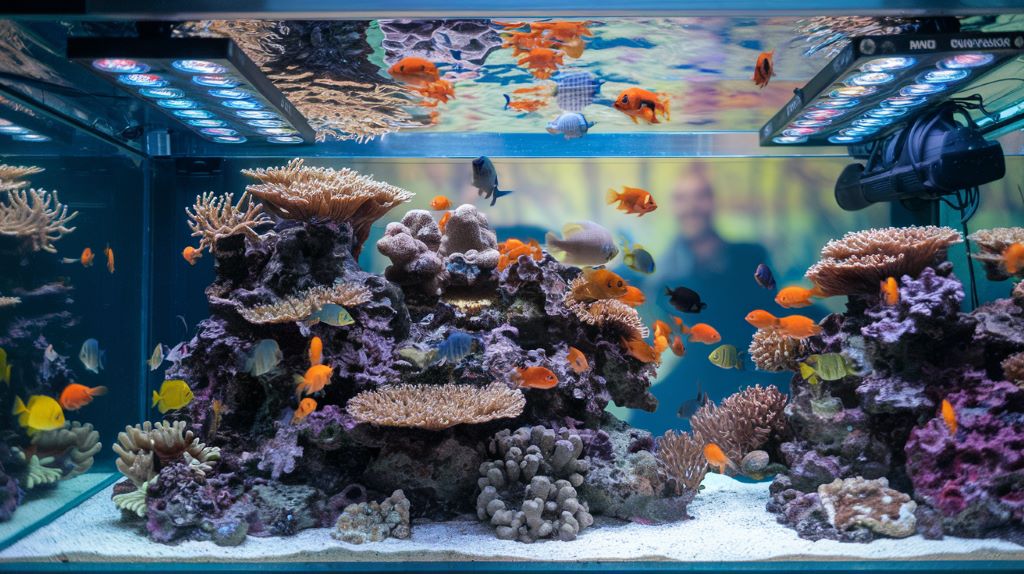
A dazzlingly lit aquarium can be a captivating focal point in any room, showcasing the vibrant colors and graceful movements of its aquatic inhabitants. However, aquarium lighting is far more than just an aesthetic element. It plays a crucial role in the overall health and well-being of your underwater ecosystem. Just as the sun governs the natural world, proper aquarium lighting regulates the biological processes of your fish, plants, and invertebrates, influencing their growth, behavior, and overall vitality.
This comprehensive guide delves deep into the fascinating world of aquarium lighting, exploring the importance of replicating the natural day/night cycle, the different types of lighting available, and how to choose the perfect illumination for your aquatic haven. We’ll also answer some of the most frequently asked questions about aquarium lighting, empowering you to create a thriving and visually stunning underwater world.
The Significance of the Day/Night Cycle in Aquariums
In their natural habitats, aquatic life has evolved to follow the rhythmic patterns of daylight and darkness. This natural cycle, known as the circadian rhythm, influences various biological processes, including:
- Photosynthesis: For aquatic plants and algae, daylight is essential for photosynthesis, the process of converting light energy into chemical energy for growth.
- Metabolism: The day/night cycle regulates the metabolic rates of fish and invertebrates, influencing their feeding, activity levels, and sleep patterns.
- Hormone Production: Light exposure plays a crucial role in regulating hormone production in fish, affecting their growth, reproduction, and overall health.
- Coloration: Many fish species display vibrant colors that are influenced by light exposure. A proper day/night cycle helps maintain their natural coloration and vibrancy.
- Stress Reduction: A consistent day/night cycle creates a stable environment for your aquatic life, reducing stress and promoting overall well-being.
Disrupting the natural day/night cycle can have detrimental effects on your aquarium inhabitants. Constant light can lead to stress, algae overgrowth, and disrupted sleep patterns, while insufficient light can hinder plant growth and affect the health of your fish.
Types of Aquarium Lighting
A wide array of aquarium lighting options is available, each with its own advantages and disadvantages. Choosing the right type of lighting depends on the specific needs of your aquarium, including the types of fish and plants you have, the size of your tank, and your aesthetic preferences.
-
Fluorescent Lighting:
- T5 and T8 Bulbs: These are the most common and affordable type of aquarium lighting. They come in various color temperatures, ranging from cool white to warm white, and can be customized to suit the needs of your aquarium. T5 bulbs are more energy-efficient and produce higher light output than T8 bulbs.
- Compact Fluorescent Lamps (CFLs): CFLs are another energy-efficient option that produces good light output. They are available in various shapes and sizes, making them suitable for different aquarium setups.
-
LED Lighting:
- LED Strips and Modules: LEDs have become increasingly popular due to their energy efficiency, long lifespan, and versatility. They offer a wide range of color temperatures and can be customized to create stunning visual effects. LED strips and modules are easy to install and can be tailored to fit any aquarium size.
- High-Output LEDs: For larger aquariums or those with demanding plant species, high-output LEDs provide intense illumination that promotes robust plant growth and vibrant coloration in fish.
-
Metal Halide Lighting:
- Metal Halide Bulbs: These bulbs produce intense light with excellent color rendition, making them ideal for deep aquariums or those with demanding coral species. However, they generate significant heat and consume more energy than other lighting options.
-
Specialty Lighting:
- Actinic Lighting: Actinic lighting emits a blue spectrum of light that enhances the fluorescence of corals and invertebrates, creating a visually stunning display.
- Moonlights: Moonlights provide a dim, nocturnal illumination that allows you to observe the nighttime behaviors of your fish and invertebrates.
Choosing the Right Lighting for Your Aquarium
Selecting the appropriate lighting for your aquarium involves considering several factors:
-
Aquarium Type:
- Freshwater Aquariums: For most freshwater aquariums, T5 or T8 fluorescent bulbs, CFLs, or LED strips provide adequate illumination.
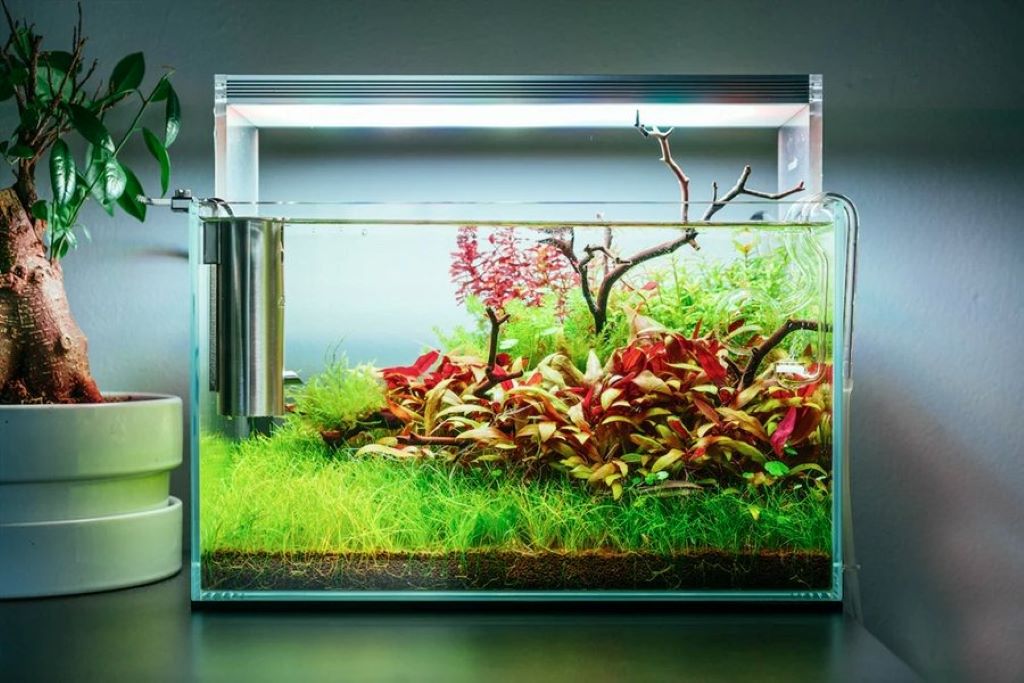
- Planted Aquariums: Planted tanks require higher light intensity to support robust plant growth. High-output LEDs or T5HO bulbs are recommended for these setups.
- Saltwater Aquariums: Saltwater aquariums, especially reef tanks, often require specialized lighting to support the unique needs of corals and invertebrates. Metal halide bulbs, high-output LEDs, and actinic lighting are commonly used in saltwater setups.
-
Aquarium Size:
- Small Aquariums: For smaller tanks, less powerful lighting options like CFLs or LED strips are sufficient.
- Large Aquariums: Larger tanks require more powerful lighting to ensure adequate illumination throughout the entire water column. High-output LEDs or metal halide bulbs are often necessary for larger setups.
-
Light Intensity:
- Low-Light Plants: For aquariums with low-light plants like Java ferns or Anubias, lower light intensity is sufficient.
- High-Light Plants: Demanding plant species like carpeting plants or stem plants require higher light intensity for optimal growth.
-
Color Temperature:
- Warm White (2700-3000K): Warm white light creates a cozy and inviting ambiance, suitable for most freshwater aquariums.
- Cool White (6500-7000K): Cool white light mimics natural daylight and is ideal for planted aquariums and saltwater setups.
-
Budget:
- Fluorescent and CFL bulbs: These are the most budget-friendly options.
- LED lighting: While initially more expensive, LEDs offer long-term cost savings due to their energy efficiency and lifespan.
- Metal halide bulbs: These are the most expensive option, but they provide excellent color rendition and high light output.
Setting Up Your Aquarium Lighting
Once you’ve chosen the appropriate lighting for your aquarium, it’s essential to set it up correctly to ensure optimal illumination and create a natural day/night cycle.
-
Light Placement:
- Even Distribution: Position your lights to ensure even distribution of light throughout the aquarium. Avoid creating dark spots or areas of excessive brightness.
- Height Adjustment: Adjust the height of your lights to achieve the desired light intensity at the substrate level. For planted tanks, ensure that the light reaches the bottom of the tank to support plant growth.
-
Photoperiod:
- Consistent Schedule: Establish a consistent photoperiod, or daily light cycle, that mimics the natural day/night cycle. A typical photoperiod for most aquariums is 8-10 hours of light followed by 14-16 hours of darkness.
- Gradual Transitions: Use a timer to create gradual transitions between light and darkness, simulating sunrise and sunset. This helps reduce stress for your fish and prevents sudden changes in their environment.
-
Light Intensity Adjustment:
- Dimmable Lights: If using dimmable lights, gradually increase the light intensity over several weeks to allow your plants and fish to acclimate to the new lighting conditions.
- Light Meter: Use a light meter to measure the light intensity at different depths in your aquarium. This helps ensure that your plants are receiving adequate light for photosynthesis.
-
Regular Maintenance:
- Bulb Replacement: Replace your bulbs regularly to maintain optimal light output. Fluorescent bulbs typically need to be replaced every 6-12 months, while LED lights have a much longer lifespan.
- Fixture Cleaning: Clean your light fixtures regularly to remove dust and debris that can reduce light output.
Popular FAQs about Aquarium Lighting
-
How long should I keep my aquarium lights on?
Most aquariums typically have 8-10 hours of light followed by 14-16 hours of darkness. However, the specific duration may vary depending on the types of fish and plants you have.
-
Can I leave my aquarium lights on all the time?
No, it’s not recommended to leave your aquarium lights on all the time. Constant light can lead to stress, algae overgrowth, and disrupted sleep patterns in your fish.
-
What color light is best for aquarium plants?
Cool white light (6500-7000K) is ideal for planted aquariums as it mimics natural daylight and promotes photosynthesis.
-
How do I know if my aquarium lighting is too bright?
Signs of excessive lighting include algae overgrowth, fish hiding excessively, and faded coloration in corals.
-
Can I use household LED bulbs for my aquarium?
No, household LED bulbs are not designed for aquarium use and may not provide the appropriate spectrum of light for your fish and plants.
-
How often should I replace my aquarium light bulbs?
You need to replace fluorescent bulbs every 6-12 months, while LED lights last much longer.
-
What is the best way to clean my aquarium light fixtures?
Unplug your light fixtures before cleaning. Use a soft cloth and warm water to wipe away dust and debris. Avoid using harsh chemicals or abrasive cleaners.
-
Can I use a timer to control my aquarium lights?
Yes, using a timer is highly recommended to create a consistent day/night cycle and automate your lighting schedule.
-
What is the difference between T5 and T8 fluorescent bulbs?
T5 bulbs are more energy-efficient and produce higher light output than T8 bulbs.
-
What is actinic lighting used for?
Actinic lighting emits a blue spectrum of light that enhances the fluorescence of corals and invertebrates.
Conclusion:
Aquarium lighting is a critical aspect of creating a thriving and visually stunning underwater world. By understanding the importance of the day/night cycle, the different types of lighting available, and how to set up your lighting correctly, you can provide your aquatic inhabitants with the optimal environment for their health and well-being. Remember to choose lighting that suits the specific needs of your aquarium, establish a consistent photoperiod, and perform regular maintenance to ensure optimal illumination. With proper care and attention to lighting, your aquarium will be a captivating centerpiece that brings the beauty of the underwater world into your home.
Read More:
Best Reef Tank LEDs: Your Guide for Softies, LPS & SPS Corals