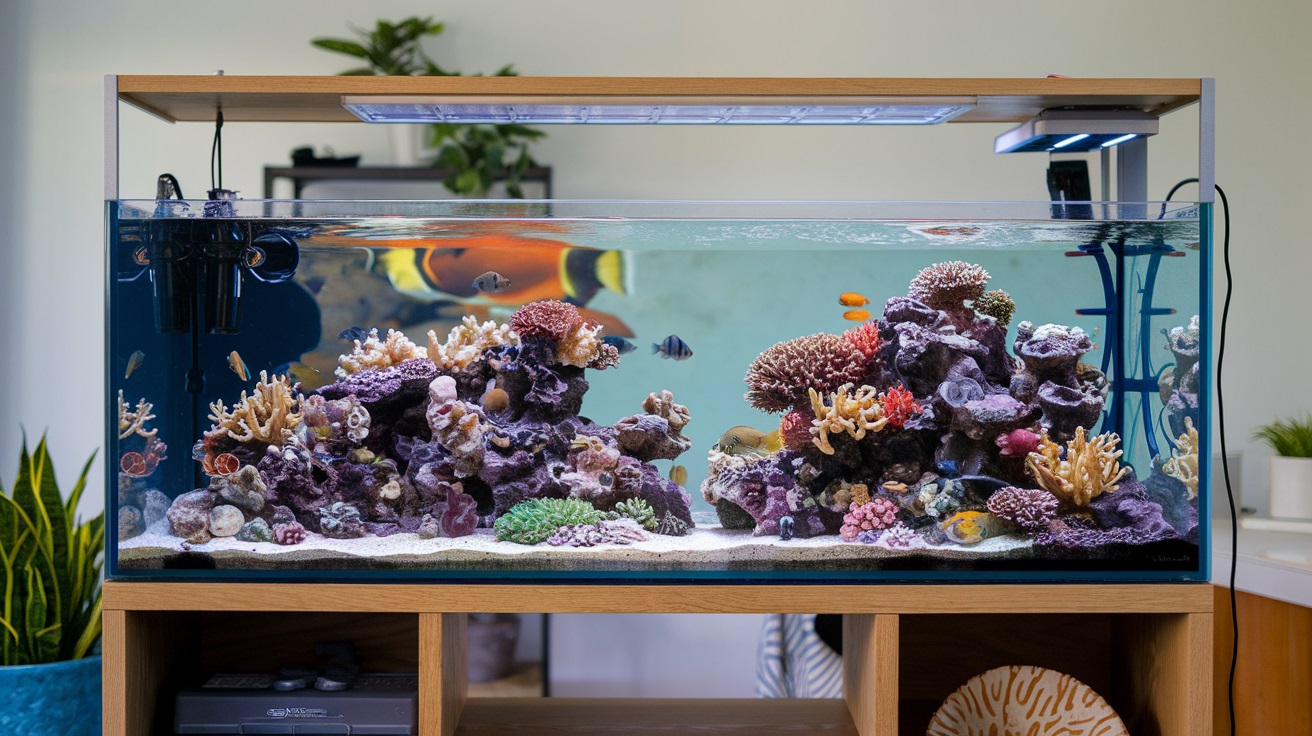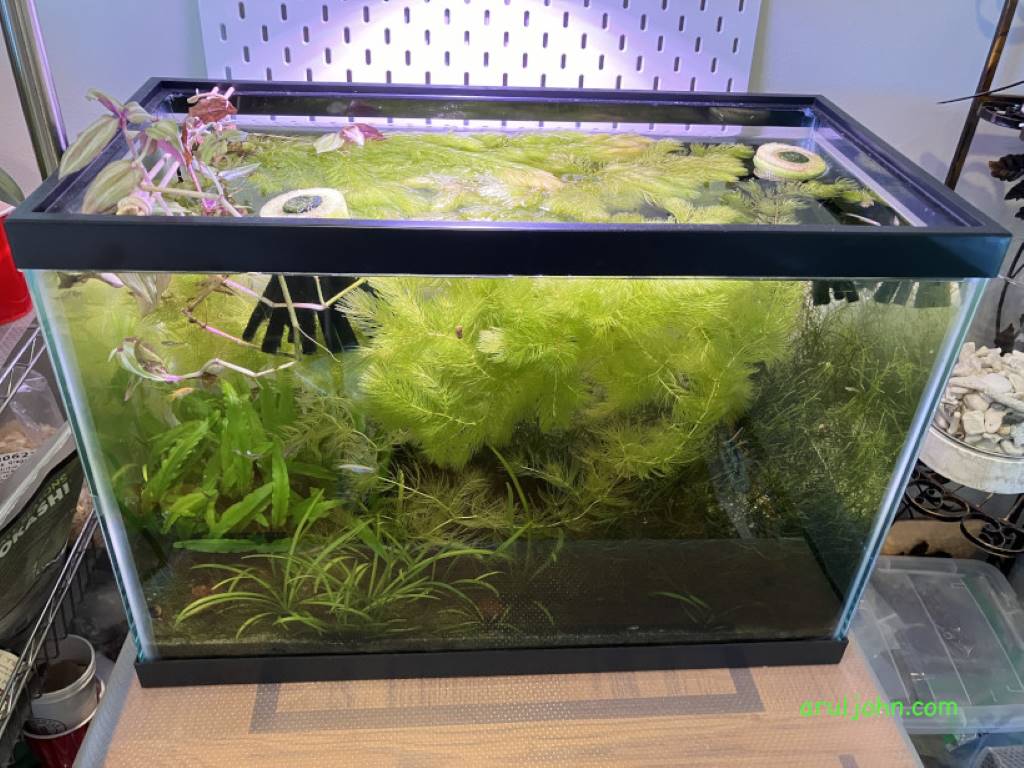
Setting up an aquarium is one of the most rewarding hobbies you can enjoy. Colorful fish bring life and beauty to any room. However, choosing the wrong tank size is one of the most common mistakes beginners make. The size of your tank directly affects the health, happiness, and lifespan of your fish.
Therefore, before you buy any fish or equipment, you need to understand the rules of tank sizing. This guide will help you make a smart and informed decision. Whether you are a first-time fish keeper or looking to upgrade, the right tank size makes all the difference.
Why Tank Size Matters More Than You Think
Many people assume that a small tank is easier to manage. This is actually a common misconception. Smaller tanks are often harder to maintain because the water quality changes much faster. A minor imbalance in a small tank can quickly become dangerous for your fish.
Larger tanks, on the other hand, are more stable. The water chemistry stays consistent for longer periods. Additionally, fish in spacious tanks tend to show their brightest colors and most natural behaviors. Stress in fish is often caused by overcrowding and poor water quality, both of which are linked directly to tank size.
Furthermore, choosing the right tank from the start saves you money in the long run. Constantly upgrading equipment and replacing sick fish is far more expensive than simply starting with the right size.
Understanding the One-Inch-Per-Gallon Rule
You may have heard of the one-inch-per-gallon rule. This is a basic guideline that suggests one inch of fish per gallon of water. For example, a 10-gallon tank can hold about 10 inches of fish. While this rule is a helpful starting point, it has significant limitations.
This rule works only for small, slim-bodied fish. It does not account for fish body mass, activity level, or waste production. A single 10-inch Oscar fish, for instance, needs far more than 10 gallons of water. Therefore, use this rule as a rough guide only, not as a strict formula.
Additionally, the rule does not consider the needs of bottom-dwelling fish, schooling fish, or territorial species. Each type of fish has its own specific space requirements. Always research the individual needs of the fish you plan to keep.
Popular Colorful Aquarium Fish and Their Tank Size Requirements
Different fish need different amounts of space. Understanding the needs of your specific fish is the most important step in choosing a tank. Here is a look at some of the most popular colorful aquarium fish and the minimum tank sizes they require.
Betta Fish
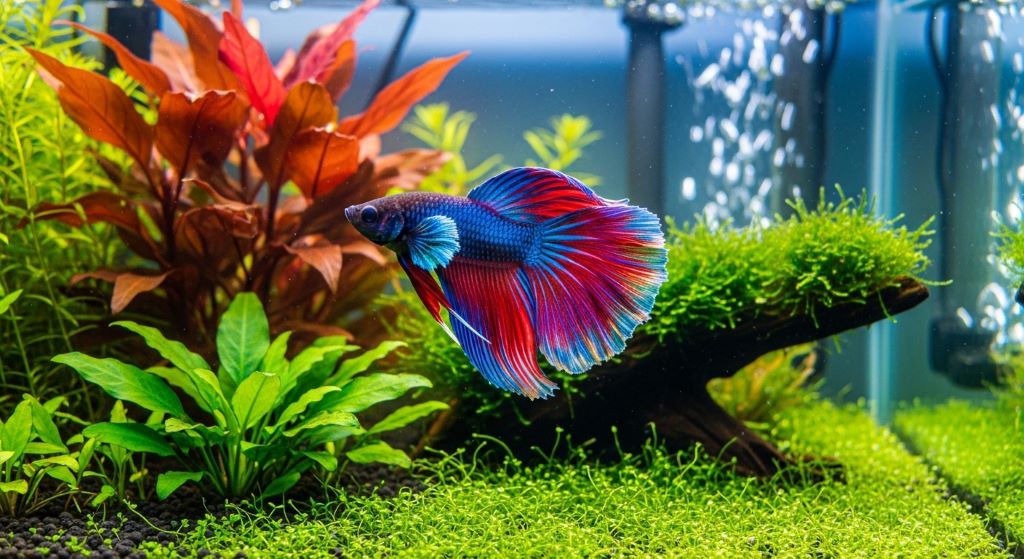
Betta fish are known for their vivid colors and flowing fins. They are a popular choice for beginners. However, many people keep them in containers that are far too small. A single Betta fish needs at least 5 gallons of water. A 10-gallon tank is even better, especially if you want to add plants or decor.
Bettas are territorial and should generally be kept alone or with carefully chosen tank mates. Therefore, a larger tank gives you more flexibility when designing your aquarium.
Guppies
Guppies are small, colorful, and very active fish. They are ideal for beginners. A group of six guppies can comfortably live in a 10-gallon tank. However, since guppies breed quickly, you may need a larger tank as your population grows.
Additionally, guppies are schooling fish that thrive in groups. Keeping them in smaller numbers or in a tank that is too small can cause stress and dull their colors. A 20-gallon tank is a great long-term option for a healthy guppy community.
Neon Tetras
Neon Tetras are famous for their electric blue and red stripes. They are peaceful schooling fish that look stunning in groups. A school of six to ten Neon Tetras needs a minimum of 10 gallons. However, a 20-gallon tank allows for a larger school and a more impressive visual display.
These fish are sensitive to water conditions. Therefore, a larger tank helps maintain the stable environment they need to thrive.
Angelfish
Angelfish are tall, graceful, and beautifully patterned. They need more vertical space than many other fish. A single Angelfish requires at least 20 gallons. A pair or small group needs 55 gallons or more. Furthermore, Angelfish can become territorial as they mature, so extra space helps reduce conflict.
Discus Fish
Discus fish are considered the kings of the freshwater aquarium. They are large, disc-shaped, and come in stunning colors. Each Discus fish needs at least 10 gallons of water on its own. However, since they should be kept in groups of at least six, a 75-gallon tank or larger is recommended.
Discus are sensitive fish that require pristine water conditions. Therefore, they are better suited for experienced fish keepers with larger setups.
Cichlids
Cichlids are bold, colorful, and full of personality. African Cichlids, for example, are vibrant and active but also aggressive. A small group of African Cichlids needs at least a 55-gallon tank. Additionally, the extra space reduces territorial behavior and helps maintain a peaceful tank environment.
South American Cichlids, such as the Electric Blue Acara, are slightly less aggressive. However, they still need a minimum of 30 gallons. Always research the specific species you choose before purchasing.
The Role of Tank Shape in Fish Health
Tank size is not just about volume. The shape of the tank also plays an important role. Long, wide tanks provide more swimming space along the surface. This is important because most fish swim horizontally rather than vertically.
Tall, narrow tanks may look elegant, but they offer less swimming area for the same volume. Therefore, when comparing tanks of similar gallon capacity, always choose the one with more surface area. More surface area also means better oxygen exchange between the water and the air.
Additionally, bottom-dwelling fish such as Corydoras catfish and loaches need more floor space. A wide, shallow tank is a better choice for these species than a tall, narrow one.
How Many Fish Can You Keep? A Practical Approach
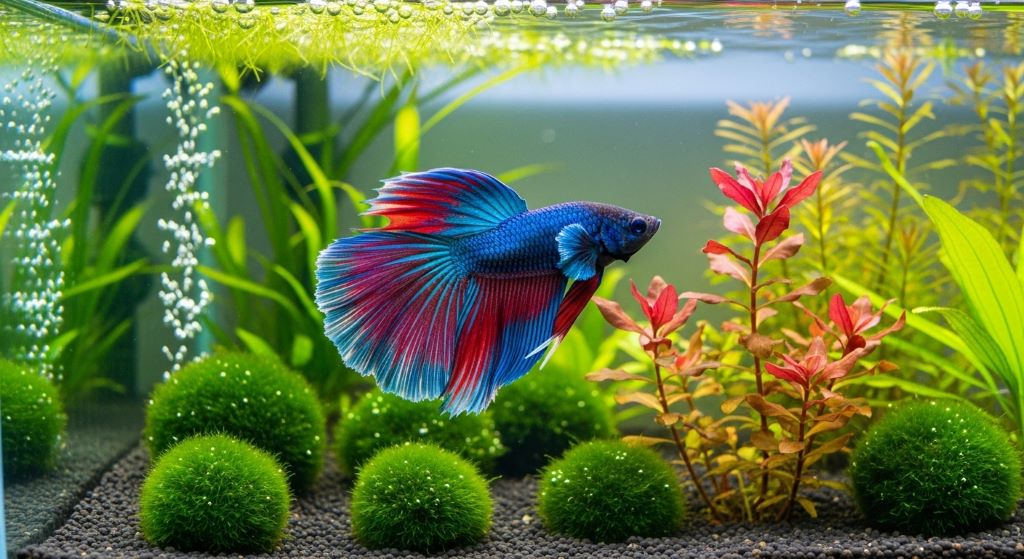
Rather than relying solely on the one-inch rule, use a more comprehensive approach to stocking your tank. Consider the adult size of each fish, not its current size. Fish grow, and what fits today may be dangerously overcrowded in six months.
Here is a simple approach to stocking your tank responsibly:
- Research the adult size of every fish you plan to buy.
- Account for the swimming level of each fish: top, middle, or bottom.
- Avoid mixing highly aggressive fish with peaceful species.
- Leave room for plants, rocks, and decor, which reduce usable swimming space.
- Add fish gradually to allow your tank’s biological filter to adjust.
Furthermore, a less crowded tank is always easier to maintain. Fewer fish means less waste, better water quality, and healthier, more colorful fish overall.
Beginner-Friendly Tank Size Recommendations
If you are just starting out, choosing the right size tank can feel overwhelming. However, following a few simple guidelines will help you make the right choice.
The 10-Gallon Starter Tank
A 10-gallon tank is a popular choice for beginners. It is affordable, easy to find, and manageable in size. It works well for a small group of Guppies, Neon Tetras, or a single Betta fish. However, a 10-gallon tank has limited room for error. Water quality can decline quickly if you overfeed or overstock.
Therefore, a 10-gallon tank is best for fish keepers who are committed to regular water testing and maintenance.
The 20-Gallon Ideal Starter Tank
Many experienced fish keepers recommend the 20-gallon tank as the best starting point. It offers more stability than a 10-gallon tank and gives you more stocking options. A 20-gallon tank can comfortably house a community of small fish such as Tetras, Guppies, Corydoras, and even a dwarf Gourami.
Additionally, the 20-gallon tank is still compact enough to fit in most spaces. It is a great balance between ease of care and variety of options.
The 55-Gallon Community Tank
If you have the space and budget, a 55-gallon tank is a fantastic choice. It allows you to create a diverse and visually stunning aquarium. You can keep a wide variety of species, including medium-sized fish like Angelfish, Rainbow fish, and Cichlids.
Furthermore, a 55-gallon tank is far more forgiving when it comes to water quality. The larger water volume dilutes waste and keeps the environment stable for longer. This makes it an excellent choice for both beginners who want room to grow and experienced hobbyists alike.
Common Mistakes to Avoid When Choosing a Tank Size
Even experienced fish keepers make mistakes when setting up a new tank. Here are some of the most common errors to avoid:
- Buying a tank that is too small for the fish you want to keep.
- Choosing fish based on their juvenile size rather than their adult size.
- Overstocking the tank in the first few weeks before the filter is established.
- Ignoring the specific needs of schooling fish, which must be kept in groups.
- Selecting incompatible species that compete for the same territory.
Additionally, many beginners underestimate how fast fish grow. A small fish in the pet store can double or triple in size within a year. Therefore, always plan for the future when selecting your tank and fish.
Tips for Setting Up a Healthy and Colorful Aquarium
Once you have chosen the right tank size, setting it up correctly is the next important step. A well-designed aquarium keeps your fish healthy and their colors vivid.
- Cycle your tank for at least two to four weeks before adding fish. This establishes beneficial bacteria that process waste.
- Use a quality filter rated for your tank size or slightly larger.
- Add live plants to improve water quality and provide hiding spots.
- Maintain a consistent water temperature using a reliable heater and thermometer.
- Perform regular partial water changes of 20 to 30 percent every week.
Furthermore, feeding your fish a varied and high-quality diet enhances their natural colors. Stress-free fish in a properly sized tank will always look more vibrant and active.
Conclusion
Choosing the right tank size for your colorful aquarium fish is one of the most important decisions you will make as a fish keeper. The size of your tank affects water quality, fish health, and the overall beauty of your aquarium. A tank that is too small leads to stress, disease, and dull-colored fish.
Therefore, always research the adult size and specific needs of your fish before purchasing a tank. Use the one-inch-per-gallon rule as a starting guide, but go beyond it for a more accurate approach. Consider tank shape, fish behavior, and stocking levels carefully.
Whether you choose a 10-gallon starter tank or a spacious 55-gallon community setup, the right environment makes all the difference. Additionally, consistent care and maintenance will keep your fish thriving for years to come. With the right tank size, your aquarium will become a stunning and healthy underwater world that you can enjoy every day.
Frequently Asked Questions
1. What is the minimum tank size for colorful tropical fish?
The minimum recommended tank size for most colorful tropical fish is 10 gallons. However, a 20-gallon tank is a much better choice for beginners. It provides more stable water conditions and gives you more flexibility in choosing fish species. Smaller tanks are harder to maintain and can quickly become overcrowded.
2. Can I keep multiple species of colorful fish in the same tank?
Yes, you can keep multiple species together in a community tank, as long as they are compatible. Choose fish that have similar water temperature and pH requirements. Additionally, avoid mixing aggressive species with peaceful ones. Research each species carefully before adding them to your tank to prevent conflict and stress.
3. How do I know if my tank is overcrowded?
Signs of an overcrowded tank include fish gasping at the surface, frequent aggression between fish, rapid decline in water quality, and fish that appear stressed or pale in color. Additionally, if your filter struggles to keep the water clear, your tank may have too many fish. Regular water testing will help you catch problems early.
4. Does a bigger tank always mean healthier fish?
In most cases, yes. A larger tank provides more stable water chemistry, more swimming space, and less stress for your fish. However, a large tank still requires proper maintenance, filtration, and stocking levels. A well-maintained smaller tank is healthier than a neglected large one. Therefore, match your tank size to your ability to care for it properly.
5. How often should I do water changes in my aquarium?
For most aquariums, a partial water change of 20 to 30 percent every week is recommended. Smaller tanks may need more frequent changes because waste builds up faster. Larger tanks are more forgiving but still benefit from regular maintenance. Additionally, always treat tap water with a dechlorinator before adding it to your tank to protect your fish.
Related Topics:
Finding the Sweet Spot: The Perfect Height for Your Reef Tank Stand
How to Soundproof an Aquarium Stand: A Comprehensive Guide to Quieter Aquatic Life