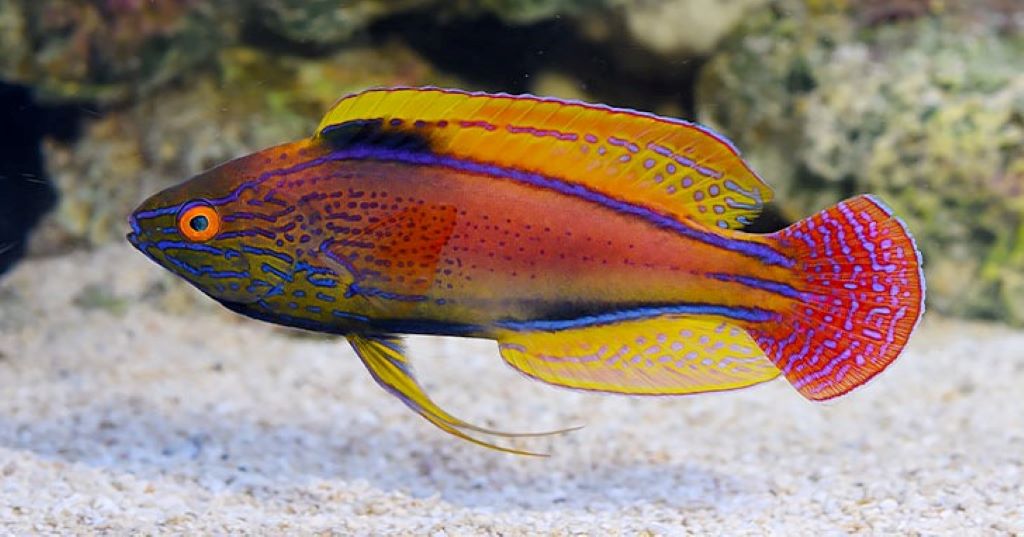
The vibrant colors of a freshwater aquarium are a captivating sight, a miniature ecosystem teeming with life and beauty. But maintaining this aquatic paradise requires more than just feeding your fish and admiring their graceful movements. Regular water changes are the unsung heroes of fishkeeping, playing a crucial role in the health, well-being, and, surprisingly, the coloration of your finned friends. This Colorful Impact of Water Changes ensures that the hues of your aquarium remain as brilliant as the day it was first set up.
This comprehensive guide delves into the fascinating relationship between water changes and fish coloration, exploring the science behind this phenomenon, the benefits and potential drawbacks, and providing practical advice on how to optimize your water change routine for a thriving, colorful aquarium.
The Science of Color:
Before we dive into the impact of water changes, let’s understand how fish achieve their dazzling hues. Fish coloration is a complex interplay of pigments, light reflection, and specialized cells called chromatophores.
- Pigments: These are natural substances that absorb certain wavelengths of light and reflect others, creating the colors we see. Different pigments produce different colors, such as melanin for black and brown, carotenoids for yellow, orange, and red, and pteridines for red and yellow.
- Chromatophores: These cells contain pigment granules and can change their size and shape, altering the distribution of pigments and thus the fish’s color. This allows fish to camouflage, communicate, and attract mates.
- Light Reflection: The way light interacts with the fish’s scales and skin also influences its appearance. Iridescent colors, like those seen in some tetras and bettas, are created by the reflection and refraction of light through microscopic structures.
Water Quality and Color Vibrancy:
Water quality plays a pivotal role in maintaining the health and vibrancy of your fish’s colors. Over time, fish waste, uneaten food, and decaying organic matter accumulate in the aquarium, releasing harmful substances like ammonia, nitrites, and nitrates. These toxins can stress fish, compromise their immune systems, and even damage their delicate chromatophores, leading to dull or faded colors.
Regular water changes are essential to dilute these harmful substances and maintain optimal water parameters. By removing a portion of the old water and replacing it with fresh, clean water, you create a healthier environment for your fish, allowing their colors to shine through in their full glory.
The Benefits of Water Changes for Fish Coloration:
- Reduced Toxin Levels: As mentioned earlier, water changes help remove harmful toxins that can negatively impact fish health and color.
- Improved Oxygenation: Fresh water is naturally richer in dissolved oxygen, which is essential for fish respiration and overall well-being. Adequate oxygen levels promote healthy metabolism and can enhance color vibrancy.
- Stable pH Levels: Water changes help maintain a stable pH, which is crucial for fish health and color. Fluctuations in pH can stress fish and disrupt their ability to regulate their internal environment, affecting their coloration.
- Enhanced Nutrient Availability: Fresh water can replenish essential minerals and trace elements that may be depleted over time, supporting healthy growth and vibrant colors.
Potential Drawbacks of Water Changes:
While water changes are generally beneficial, there are a few potential drawbacks to consider:
- Stress: If not done carefully, water changes can stress fish, especially if the new water parameters differ significantly from the old water.
- Temperature Shock: Introducing water that is too cold or too hot can shock fish, leading to health problems and potentially affecting their coloration.
- Disruption of the Aquarium Ecosystem: Water changes can temporarily disrupt the delicate balance of the aquarium ecosystem, potentially affecting beneficial bacteria and other microorganisms.
Optimizing Your Water Change Routine:
To maximize the benefits and minimize the drawbacks of water changes, follow these guidelines:
- Frequency: Aim for a 10-20% water change every 1-2 weeks for most freshwater aquariums. Adjust the frequency based on your tank size, stocking density, and filtration system.
- Water Preparation: Use dechlorinated water that is the same temperature as the aquarium water. You can use a water conditioner to remove chlorine and chloramine, which are harmful to fish.
- Gravel Vacuuming: Use a gravel vacuum to remove debris and uneaten food from the substrate during water changes. This helps maintain a clean and healthy environment.
- Acclimation: When adding new water, do it slowly to allow the fish to adjust to the new water parameters. You can use a drip acclimation method or a bucket acclimation method.
- Observation: Monitor your fish closely after water changes for any signs of stress or illness.
Reviews and Testimonials:
Many aquarists have reported significant improvements in their fish’s coloration after implementing regular water changes. Here are a few testimonials:
- “I used to have a dull-colored betta, but after I started doing regular water changes, his colors became so much more vibrant! He’s now a beautiful deep red.” – Sarah J.
- “My neon tetras were looking a bit pale, so I increased the frequency of my water changes. Within a few weeks, their colors were back to their full glory.” – Mark L.
- “I’ve always done regular water changes, and my fish have always been healthy and colorful. It’s definitely an important part of fishkeeping.” – Emily K.
Popular FAQs:
-
Q: Can I use tap water for water changes?
- A: No, tap water contains chlorine and chloramine, which are harmful to fish. You need to use a water conditioner to remove these chemicals before using tap water for water changes.
-
Q: How much water should I change?
- A: Aim for a 10-20% water change every 1-2 weeks for most freshwater aquariums. Adjust the frequency based on your tank size, stocking density, and filtration system.
-
Q: How often should I change the filter media?
- A: It’s generally recommended to rinse your filter media in aquarium water (not tap water!) every 1-2 months and replace it completely every 3-6 months.
-
Q: What are some signs of poor water quality?
- A: Signs of poor water quality include cloudy water, foul odor, algae growth, and fish gasping at the surface.
-
Q: Can I over-clean my aquarium?
- A: Yes, you can. Over-cleaning can disrupt the beneficial bacteria colonies in your aquarium, leading to ammonia and nitrite spikes.
Conclusion:
Water changes are a fundamental aspect of fishkeeping, playing a vital role in maintaining the health, well-being, and vibrant colors of your aquatic companions. By understanding the science behind fish coloration and the impact of water quality, you can optimize your water change routine to create a thriving, colorful aquarium that brings joy and tranquility to your home.
Remember, consistency is key. Regular water changes, combined with proper filtration and a balanced diet, will ensure that your fish remain healthy and display their most vibrant colors for years to come.
Read More:
How to Choose the Right Aquarium Heater and Cooler Size