Introduction
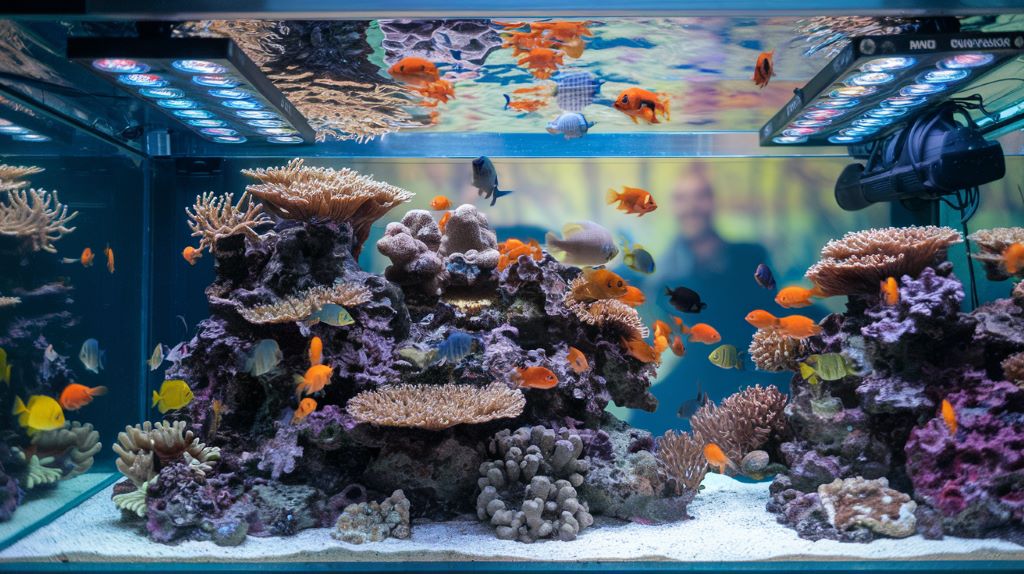
Light plays a crucial role in the lives of all living organisms, including fish. It regulates various physiological processes, including sleep-wake cycles, hormone production, and overall well-being. In this comprehensive article, we will explore the profound impact of light on fish sleep patterns and overall health, delving into the intricacies of how different light sources, intensities, and durations can affect their circadian rhythms, behavior, and ultimately, their overall health.
The Science of Fish Sleep
Before we dive into the impact of light, it’s essential to understand how fish sleep. Unlike mammals, fish don’t exhibit the same deep sleep stages with rapid eye movement (REM). Instead, they enter a state of reduced activity and metabolic rate, often characterized by hovering in place, decreased responsiveness to stimuli, and changes in brain activity. While they may not “sleep” in the traditional sense, they still require periods of rest and inactivity to maintain optimal health.
The Role of Light in Regulating Fish Sleep
Light is the primary environmental cue that synchronizes the circadian rhythms of fish, dictating their sleep-wake cycles. The pineal gland, a small endocrine gland located in the brain, plays a critical role in this process. It produces melatonin, a hormone that promotes sleep and regulates circadian rhythms.
In most fish species, melatonin production is suppressed by light and stimulated by darkness. Therefore, as daylight fades, melatonin levels rise, signaling to the fish that it’s time to rest. Conversely, when the sun rises, melatonin levels drop, promoting wakefulness and activity.
Impact of Different Light Sources on Fish Sleep
The type of light source can significantly influence fish sleep patterns. Natural sunlight is the ideal light source for most fish, providing a balanced spectrum of light that promotes healthy circadian rhythms. However, artificial light sources, such as fluorescent lights, LEDs, and incandescent bulbs, can disrupt these rhythms and negatively impact fish health.
Fluorescent Lights:
Fluorescent lights emit a spectrum of light that is deficient in certain wavelengths, particularly red and far-red light, which are essential for regulating melatonin production. Prolonged exposure to fluorescent lights can lead to suppressed melatonin levels, disrupting sleep patterns and causing stress in fish.
LEDs:
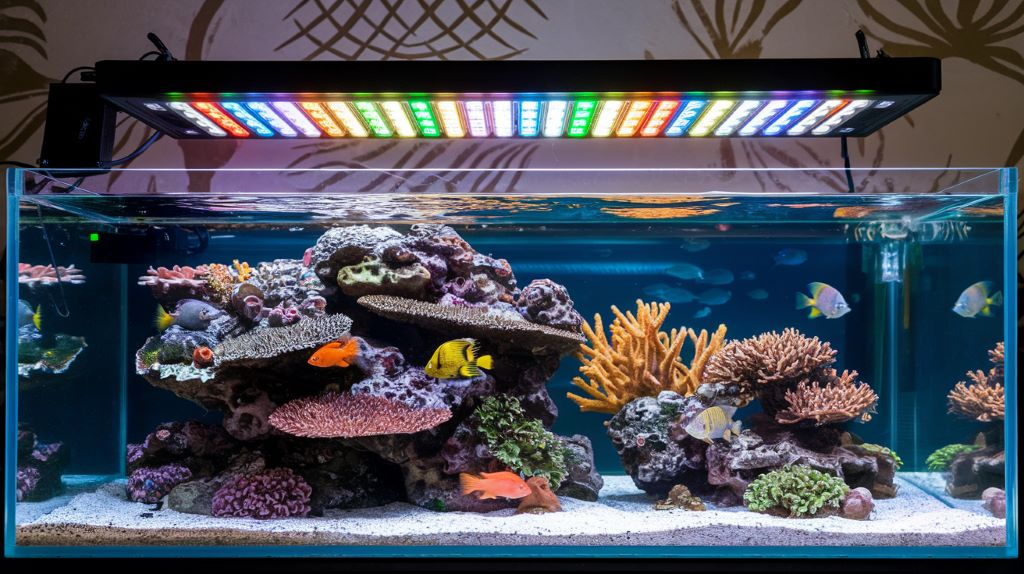
LED lights have become increasingly popular in aquariums due to their energy efficiency and long lifespan. However, some LEDs emit high levels of blue light, which can suppress melatonin production and disrupt sleep. It’s crucial to choose LEDs with a balanced spectrum of light, including red and far-red wavelengths, to promote healthy sleep patterns in fish.
Incandescent Bulbs:
Incandescent bulbs emit a warm, yellowish light that is less disruptive to fish sleep than fluorescent lights. However, they are not as energy-efficient as LEDs and can generate excessive heat, potentially affecting water temperature in aquariums.
Impact of Light Intensity and Duration on Fish Sleep

The intensity and duration of light exposure also play a crucial role in regulating fish sleep. Excessively bright light can suppress melatonin production and disrupt sleep, even if the light source is natural sunlight. Similarly, prolonged exposure to light, even at low intensities, can disrupt circadian rhythms and lead to sleep deprivation.
In the wild, fish experience natural variations in light intensity and duration throughout the day and across seasons. These variations help regulate their sleep-wake cycles and maintain healthy circadian rhythms. In aquariums, it’s essential to replicate these natural variations as closely as possible to ensure optimal fish health.
Consequences of Disrupted Sleep in Fish
Disrupted sleep can have profound consequences for fish health, affecting their immune system, growth, reproduction, and behavior.
Immune System Suppression:
Sleep deprivation can suppress the immune system, making fish more susceptible to diseases and infections. Studies have shown that fish deprived of sleep have lower levels of lymphocytes, white blood cells that play a crucial role in fighting off pathogens.
Growth Retardation:
Sleep is essential for growth and development in fish. During sleep, growth hormone is released, promoting cell division and tissue repair. Disrupted sleep can lead to reduced growth hormone production, resulting in stunted growth and delayed development.
Impaired Reproduction:
Sleep plays a crucial role in regulating reproductive hormones in fish. Disrupted sleep can disrupt hormone production, leading to impaired fertility, reduced spawning success, and abnormal reproductive behavior.
Behavioral Changes:
Sleep deprivation can lead to various behavioral changes in fish, including increased aggression, reduced appetite, and impaired learning and memory. Fish deprived of sleep may also exhibit abnormal swimming patterns and reduced activity levels.
Best Practices for Maintaining Healthy Sleep Patterns in Fish
To ensure optimal health and well-being, it’s crucial to provide fish with an environment that promotes healthy sleep patterns. Here are some best practices to follow:
Provide a Natural Photoperiod:
Mimic the natural photoperiod, the daily cycle of light and darkness, that the fish would experience in their natural habitat. Use a timer to control the duration of light exposure, gradually increasing and decreasing light intensity to simulate sunrise and sunset.
Choose Appropriate Lighting:
Select light sources that emit a balanced spectrum of light, including red and far-red wavelengths, to promote healthy melatonin production. Avoid excessively bright lights and prolonged exposure to light, even at low intensities.
Create a Dark Environment for Sleep:
Ensure that the aquarium is completely dark during the sleep period. Cover the aquarium with a dark cloth or turn off all lights in the room to minimize light pollution.
Avoid Sudden Changes in Lighting:
Sudden changes in lighting can disrupt circadian rhythms and cause stress in fish. Gradually increase or decrease light intensity when making changes to the photoperiod.
Monitor Fish Behavior:
Observe fish behavior for signs of sleep deprivation, such as increased aggression, reduced appetite, or abnormal swimming patterns. If you notice any of these signs, adjust the lighting conditions accordingly.
Lighting Up Your Reef Tank: A Deep Dive into the World of Aquarium Illumination
Popular FAQs about Fish Sleep and Light
Do all fish sleep?
Yes, all fish require periods of rest and inactivity, although their sleep patterns may differ from those of mammals.
How can I tell if my fish is sleeping?
Signs of sleep in fish include reduced activity, hovering in place, decreased responsiveness to stimuli, and changes in breathing patterns.
How much light do fish need?
The amount of light fish need varies depending on the species and their natural habitat. Most fish require 10-12 hours of light per day, but some species may need more or less.
Can I leave my aquarium light on all night?
No, it’s not recommended to leave the aquarium light on all night. Prolonged exposure to light can disrupt sleep patterns and negatively impact fish health.
What type of light is best for fish?
Natural sunlight is the ideal light source for most fish. However, if using artificial lights, choose LEDs with a balanced spectrum of light, including red and far-red wavelengths.
Can light pollution affect fish sleep?
Yes, light pollution from streetlights, buildings, and other sources can disrupt sleep patterns in fish, even in aquariums.
How can I create a dark environment for my fish to sleep?
Cover the aquarium with a dark cloth or turn off all lights in the room to minimize light pollution.
What are the consequences of sleep deprivation in fish?
Sleep deprivation can suppress the immune system, impair growth and development, disrupt reproduction, and lead to behavioral changes in fish.
How can I promote healthy sleep patterns in my fish?
Provide a natural photoperiod, select appropriate lighting, create a dark environment for sleep, avoid sudden changes in lighting, and monitor fish behavior for signs of sleep deprivation.
Where can I find more information about fish sleep and light?
You can find more information about fish sleep and light from reputable sources such as academic journals, books, and websites dedicated to fishkeeping.
Conclusion
Light plays a vital role in regulating fish sleep patterns and overall health. By understanding the impact of different light sources, intensities, and durations on fish physiology, we can create an environment that promotes healthy circadian rhythms and ensures optimal well-being. Remember to provide a natural photoperiod, choose appropriate lighting, create a dark environment for sleep, and monitor fish behavior for signs of sleep deprivation. By following these best practices, you can help your fish thrive and enjoy a long and healthy life.
Read More:
How to Choose The Best Reef Aquarium Lighting
Best Reef Tank LEDs: Your Guide for Softies, LPS & SPS Corals