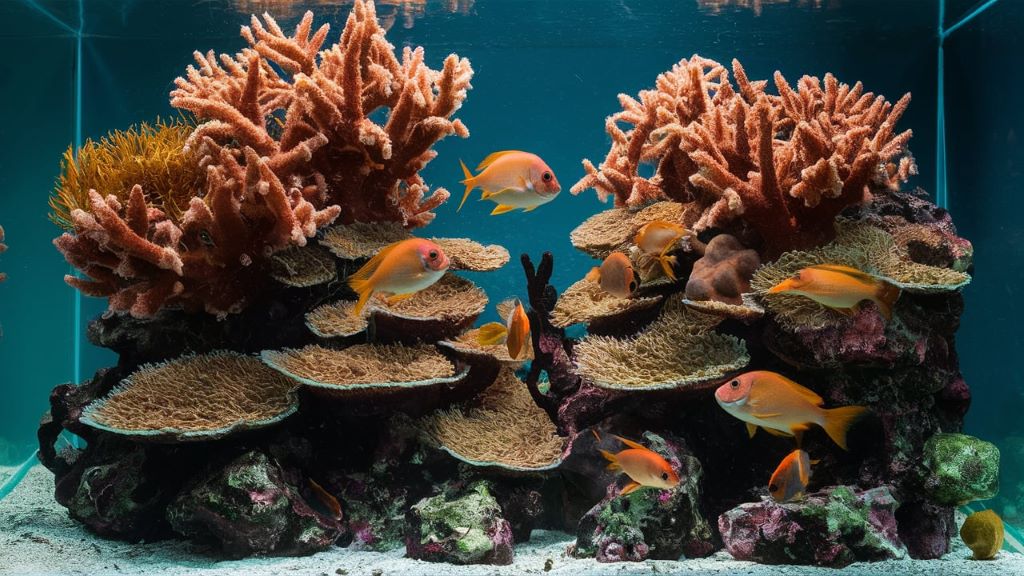
The allure of a mixed reef aquarium lies in its vibrant tapestry of life. Imagine a miniature ocean teeming with colorful fish, intricate corals, and fascinating invertebrates, all coexisting in a delicate balance within your living room. This dynamic ecosystem offers a captivating window into the underwater world, providing endless hours of enjoyment and a constant source of wonder.
This comprehensive guide delves into the art of creating and maintaining a thriving mixed reef aquarium. We’ll explore the essential elements, from selecting the right equipment to understanding the delicate interplay between different species. Whether you’re a seasoned aquarist or a curious beginner, this guide will equip you with the knowledge to embark on your reef-keeping journey.
Understanding the Mixed Reef Ecosystem
A mixed reef aquarium is a microcosm of a natural coral reef, where diverse organisms coexist in a symbiotic relationship. It’s characterized by the presence of three main components:
- Fish: These add movement and personality to the tank, ranging from vibrant clownfish to graceful tangs.
- Corals: The architects of the reef, corals come in a dazzling array of colors, shapes, and sizes. They provide shelter and food for other inhabitants while adding to the aesthetic appeal.
- Invertebrates: This diverse group includes snails, crabs, shrimps, and starfish, each playing a crucial role in maintaining the tank’s equilibrium.
The success of a mixed reef aquarium hinges on understanding the delicate balance between these organisms. Each species has specific needs for water quality, lighting, and nutrition. By carefully selecting compatible inhabitants and providing optimal conditions, you can create a thriving and sustainable ecosystem.
Essential Equipment for a Mixed Reef Aquarium
Setting up a mixed reef aquarium requires an initial investment in essential equipment. Here’s a breakdown of the key components:
- Aquarium Tank: Choose a tank size that suits your space and budget. Larger tanks offer greater stability and can accommodate a wider variety of species.
- Filtration System: A robust filtration system is crucial for maintaining water quality. It removes waste products, excess nutrients, and other pollutants. Consider a combination of mechanical, chemical, and biological filtration for optimal results.
- Lighting System: Corals require specific light spectrums for photosynthesis. Invest in high-quality LED lights that mimic natural sunlight and provide the necessary intensity for coral growth.
- Protein Skimmer: This device removes organic waste before it breaks down, reducing the burden on the filtration system and improving water clarity.
- Water Circulation Pumps: Proper water circulation ensures even distribution of nutrients and oxygen throughout the tank, preventing dead spots and promoting coral health.
- Heater and Thermostat: Maintaining a stable temperature is crucial for the well-being of all inhabitants. A reliable heater and thermostat will ensure consistent water temperature.
- Testing Kits: Regular water testing is essential to monitor parameters like pH, alkalinity, calcium, and magnesium. Invest in accurate testing kits to maintain optimal water chemistry.
Setting Up Your Mixed Reef Aquarium
Once you have the necessary equipment, it’s time to set up your mixed reef aquarium. Here’s a step-by-step guide:
- Aquascaping: Create an aesthetically pleasing and functional aquascape using live rock. This provides hiding places for fish and a surface for corals to attach to.
- Substrate: Choose a substrate that suits your needs. Live sand is beneficial as it harbors beneficial bacteria that aid in filtration.
- Water Parameters: Fill the tank with saltwater and ensure the salinity and temperature are within the optimal range.
- Cycling the Tank: This crucial process establishes beneficial bacteria colonies that break down harmful waste products. It typically takes several weeks.
- Introducing Livestock: Start with hardy fish and gradually introduce corals and invertebrates. Quarantine new arrivals to prevent the introduction of diseases.
Maintaining a Thriving Mixed Reef Aquarium
Maintaining a mixed reef aquarium requires ongoing effort and attention to detail. Here are some key aspects:
- Water Changes: Regular water changes replenish trace elements and help maintain stable water parameters. Aim for a 10-20% water change every two weeks.
- Water Testing: Monitor water parameters regularly and make adjustments as needed.
- Nutrient Control: Excess nutrients can fuel algae growth. Use appropriate filtration methods and avoid overfeeding to maintain low nutrient levels.
- Coral Care: Provide adequate lighting and water flow for corals. Supplement with calcium, alkalinity, and other essential elements as needed.
- Observing Your Tank: Regularly observe your tank inhabitants for any signs of stress or disease. Promptly address any issues to prevent further problems.
Choosing Compatible Inhabitants
Selecting compatible inhabitants is crucial for a successful mixed reef aquarium. Consider the following factors:
- Temperament: Choose fish and invertebrates that are peaceful and won’t harm each other.
- Size: Ensure the tank is large enough to accommodate the adult size of all inhabitants.
- Feeding Habits: Select species with compatible feeding habits to avoid competition and ensure all inhabitants receive adequate nutrition.
- Reef Compatibility: Some fish and invertebrates may nip at corals or disturb the substrate. Research their compatibility with a reef environment before introducing them.
Common Challenges and Troubleshooting

Even with meticulous care, challenges may arise in a mixed reef aquarium. Here are some common issues and troubleshooting tips:
- Algae Outbreaks: Excess nutrients can trigger algae growth. Improve filtration, reduce feeding, and consider introducing algae-eating organisms.
- Coral Bleaching: This occurs when corals expel their symbiotic algae due to stress. Identify and address the underlying cause, such as high temperature or poor water quality.
- Disease Outbreaks: Quarantine new arrivals and maintain optimal water quality to prevent diseases. If an outbreak occurs, identify the affected species and seek appropriate treatment.
- Pest Infestations: Unwanted pests like bristle worms or aiptasia anemones can invade the tank. Introduce natural predators or take manual removal measures.
Reviews of Popular Mixed Reef Aquarium Products
Here are reviews of some popular products that can help you create and maintain a thriving mixed reef aquarium:
- Red Sea Reefer Series Aquariums: These all-in-one aquariums offer a sleek design and comprehensive features, including a built-in sump and filtration system. They are highly regarded for their quality and ease of use.
- EcoTech Marine Radion XR30w Pro LED Light: This high-performance LED light provides the optimal spectrum and intensity for coral growth. It offers customizable settings and wireless control for precise adjustments.
- Nyos Quantum Protein Skimmer: This efficient protein skimmer effectively removes organic waste, improving water clarity and reducing nutrient levels. It’s known for its quiet operation and ease of maintenance.
- Aquaforest Reef Salt: This premium salt mix provides the ideal balance of major and trace elements for a thriving reef environment. It dissolves quickly and maintains stable water parameters.
Frequently Asked Questions about Mixed Reef Aquariums
Q: How often should I feed my reef tank inhabitants?
A: Most fish require daily feeding, while corals and invertebrates may need less frequent feeding depending on their specific needs. Avoid overfeeding, as it can lead to nutrient buildup and algae growth.
Q: How can I prevent aggressive behavior among my fish?
A: Choose peaceful species and provide adequate space and hiding places. Introduce new fish cautiously and observe their behavior. If aggression persists, consider rearranging the aquascape or removing the aggressor.
Q: What are some good beginner corals for a mixed reef tank?
A: Hardy corals like zoanthids, mushrooms, and leather corals are good choices for beginners. They are relatively easy to care for and tolerate a wider range of water parameters.
Q: How can I tell if my corals are healthy?
A: Healthy corals exhibit vibrant colors and extended polyps. They should also show signs of growth and reproduction. If you notice any discoloration, tissue recession, or lack of polyp extension, investigate the underlying cause.
Q: Can I keep a mixed reef aquarium in a small apartment?
A: Yes, you can start with a smaller tank (around 30 gallons) and choose appropriate inhabitants. However, larger tanks generally offer greater stability and can accommodate a wider variety of species.
Conclusion
Creating and maintaining a thriving mixed reef aquarium is a rewarding experience that brings the beauty of the underwater world into your home. By understanding the delicate balance of this ecosystem and investing in the right equipment and care, you can create a captivating display of life that will provide endless fascination and enjoyment.
Remember, patience and observation are key. Take the time to learn about the specific needs of your chosen inhabitants and monitor your tank closely. With dedication and attention to detail, you can create a thriving mixed reef aquarium that will be a source of pride and wonder for years to come.
Read More:
Fish-Only with Live Rock (FOWLR) Aquariums: A Deep Dive